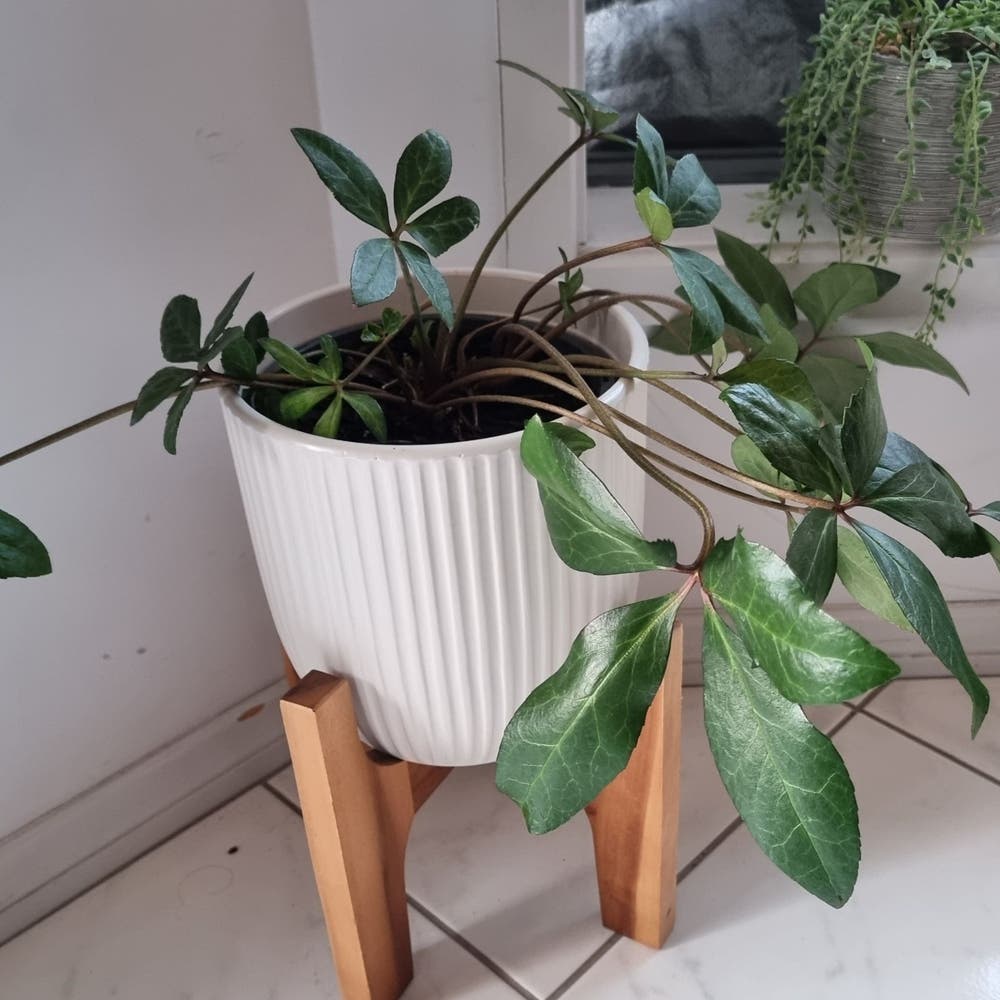
Why Are There Brown Spots on My Lenten Rose?
Helleborus orientalis
By the Greg Editorial Team
Jun 18, 2024•4 min read
This article was created with the help of AI so we can cover more plants for you. May contain errors. See one? Report it here.
Save your Lenten Rose from disfiguring brown spots and secure its lush beauty! 🌿
- Brown spots signal problems like fungi, bacteria, or stress in Lenten Roses.
- Fungal and bacterial spots differ; treatment and prevention are key.
- Adjust care to prevent spots—proper light, temperature, and watering.
Spotting the Trouble: Recognizing Brown Spots on Your Lenten Rose
🚨 Visual Symptoms
Brown spots on Lenten Roses are alarm bells, not just unsightly blemishes. They can manifest as dry patches or wet, dark lesions, sometimes encircled by a telling yellow halo. The spots may start small, but they're not to be underestimated.
📈 Progression Patterns
The growth of these spots can be rapid, expanding from tiny speckles to larger blotches that threaten the plant's vitality. Consistent spotting across the leaves often indicates a systemic problem; it's a sign that your Lenten Rose is calling out for help.

Fungal Foes: Identifying and Tackling Fungal Causes
🍄 Common Culprits
Fungal infections are the culprits behind those unsightly brown spots on your Lenten Rose. Look for spots with concentric rings or a halo effect; these are the calling cards of fungal pathogens like Alternaria and Cercospora. These fungi love moist conditions and can turn your plant's leaves into a spotty mess.
🌿 Fungus Among Us: Treatment Strategies
When you're up against fungal invaders, copper fungicides are your go-to defense. They're like the plant world's antibiotics. But, just like with any medicine, follow the label instructions to the letter. For a gentler approach, a home remedy of baking soda and soap can show mild fungi the door. Remember, overuse is a no-go—fungi are crafty and can build resistance.
🌬 Keeping Fungi at Bay
Prevention is your best strategy. Ensure good air circulation around your Lenten Rose to make it less inviting for fungi. Be smart with your watering—too much can create a fungal playground. Water in the morning so the soil dries out by nightfall. And don't forget, a balanced fertilizer regimen keeps your plant strong and less susceptible to fungal foes. Spot brown spots early, and you'll be the hero your Lenten Rose deserves.

Bacterial Battles: Understanding and Managing Bacterial Infections
🕵️ Spotting Bacterial Infections
Bacterial spots on Lenten Rose leaves are notoriously tricky to distinguish from their fungal counterparts. Look for water-soaked lesions, often with a yellow halo, as opposed to the raised or powdery appearance of fungal spots. Bacterial spots may also exude a sticky substance if pressed. These infections can spread rapidly, so keen observation is your first line of defense.
🦠 Antibacterial Actions
When you confirm a bacterial invasion, act swiftly. Remove all infected foliage to prevent the bacteria's march. Sterilize your tools after each cut to avoid turning them into enemy carriers. While bactericides can be used, they are more of a last resort; focus on cultural practices to keep your Lenten Rose healthy.
💧 Water Wisely
Watering techniques can make or break your plant's health. Always water at the base of the plant to minimize leaf wetness, which bacteria love. Ensure the soil is dry to the touch before watering again, and use well-draining soil to prevent waterlogged conditions. Remember, bacteria thrive in moisture, so keep your watering smart and your soil well-aerated.

Environmental Stress: Connecting the Dots Between Care and Spots
🚥 Stress Signals
Environmental stressors such as improper lighting, extreme temperatures, and incorrect watering can manifest as brown spots on your Lenten Rose. These stressors can be silent but deadly, often going unnoticed until the damage is visible.
🎛 Fine-Tuning the Environment
To prevent stress-induced spots, it's crucial to adjust the care of your Lenten Rose. Ensure the plant receives indirect light and is protected from harsh sun rays that can scorch its leaves. Maintain a consistent temperature, avoiding sudden fluctuations that can shock the plant.
Watering should be regular and measured; too much or too little can both lead to trouble. Nutrient balance is key—think of it as the plant's diet, where moderation and consistency are essential for health.
Keep a close eye on your Lenten Rose and respond to any signs of distress promptly. By doing so, you can keep those brown spots at bay and your plant thriving.
⚠️ Safety First
This content is for general information and may contain errors, omissions, or outdated details. It is not medical, veterinary advice, or an endorsement of therapeutic claims.
Always consult a qualified healthcare professional before using any plant as food, medicine, or supplement.
Never eat any plant (or feed one to pets) without confirming its identity with at least two trusted sources.
If you suspect poisoning, call Poison Control (800) 222-1222, the Pet Poison Helpline (800) 213-6680, or your local emergency service immediately.
Spotted an error? Please report it here.
Prevent those pesky brown spots 🍂 on your Lenten Rose with Greg's custom care plan, ensuring proper watering and lighting to keep your blooms spotless!