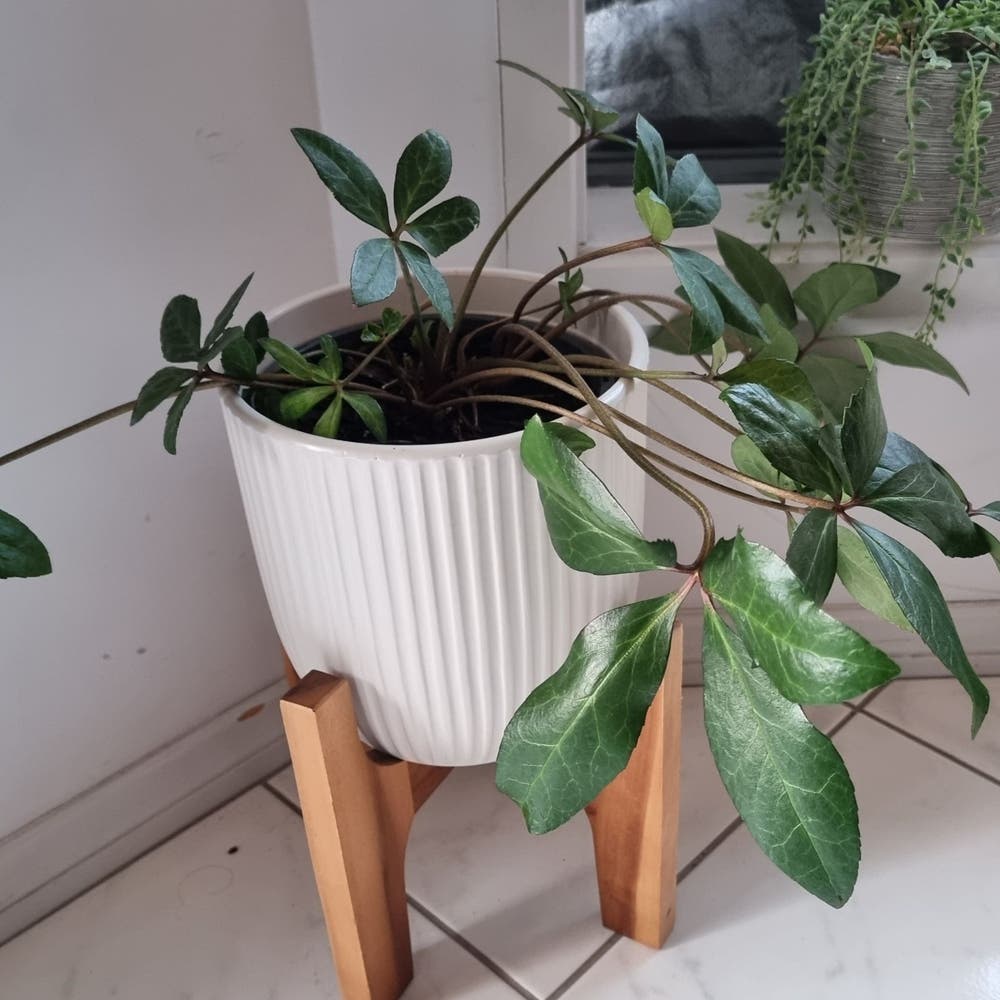
Why Are My Lenten Rose Leaves Mushy?
Helleborus orientalis
By the Greg Editorial Team
Jun 18, 2024•4 min read
This article was created with the help of AI so we can cover more plants for you. May contain errors. See one? Report it here.
Prevent mushy Lenten Rose leaves 🌿 with key insights on overwatering and fungal fixes!
- Yellow, wilting, slimy leaves signal Lenten Rose distress.
- Overwatering and poor drainage are prime mush-makers.
- Prevent and treat fungi with good air circulation and fungicides.
Spotting the Signs of Trouble
🍄 Identifying Mushy Leaves: What to Look For
Visual cues are your first line of defense in the battle against mushy Lenten Rose leaves. Keep an eye out for leaves that have lost their vibrant green for a sickly yellow, especially around the base. If you spot leaves wilting like yesterday's salad or rotting at the base, it's time to take action.
Tactile cues are equally telling. A leaf should snap back with the resilience of a fresh spring, not linger in your hand with the sliminess of overripe fruit. If the leaves feel like a damp sponge, that's your cue to get down to business. Firmness is a virtue here; leaves that yield too easily to pressure are sending an SOS.
Remember, your touch is a powerful diagnostic tool—use it to distinguish between the firm handshake of a healthy leaf and the limp greeting of a mushy one. If the texture is more marshmallow than crisp, consider it an urgent call to action.

Water Woes: Overwatering and Poor Drainage
🌧️ The Perils of Overwatering
Overwatering is like an uninvited rainstorm at a picnic—it dampens the mood and leaves everything soggy. Your Lenten Rose's roots are gasping for air when they're drowning in excess water. This leads to a mushy mess of leaves. Recognize the signs: leaves that feel more like a soaked sponge than a vibrant plant.
🚱 Recognizing the Signs of Overwatering
Look for leaves that betray their lush green for a yellow hue, and a base that's more rot than root. If the soil clings to your fingers with a wet, desperate grip, you've overdone it. It's time to dial back the watering can and let the soil's thirst return.
🚰 Drainage Dilemmas
Drainage is the unsung hero in the garden. Without it, water lingers like a bad odor, and your Lenten Rose's roots are forced to sit in perpetual dampness. It's crucial to ensure that the soil provides a quick escape route for excess water.
🛠️ Quick Fixes for Improving Drainage
If your plant's pot is more sealed than a submarine, it's time for a change. Ensure your pot has holes that would make a colander proud. Mix in perlite or coarse sand to loosen the soil's grip on moisture. It's like giving your plant's roots a roomier home, where they can breathe and avoid the dreaded mush.

Battling Fungal Foes
🍄 Common Culprits: Identifying Fungal Diseases
Botrytis and Rhizoctonia are like the Bonnie and Clyde of the fungal world, wreaking havoc on your Lenten Rose. Look for tell-tale signs like brown or black lesions on leaves, a surefire signal of trouble. These fungi love a good party in moist conditions, so spotting a fuzzy gray growth is like catching them red-handed.
🌿 Fungus Among Us: Prevention and Treatment
Air circulation is your garden's bouncer, keeping the fungal crowd under control. Avoid overwatering like it's a bad habit; your Lenten Rose's leaves will thank you. If you've got to bring out the big guns, fungicides are your go-to. But precision is key—think of it as a sniper rather than a shotgun. Natural remedies like neem oil can be the gentle nudge rather than a full-on shove. Remember, rotating your fungicides keeps the fungi guessing, like a DJ switching up the tracks to keep the dance floor lively. And always, always follow the label's instructions—consider it the law of the land in your garden.

Reviving Your Lenten Rose
💧 Adjusting Your Care Routine
Fine-tuning watering habits is crucial for Lenten Rose recovery. Overwatering is a common misstep; ensure the soil is moist but not soggy. Establish a routine—watering should be consistent but adapted to the plant's needs and weather conditions.
Modifying the plant environment can prevent future issues. Ensure your Lenten Rose is in a location that mimics its natural habitat—dappled shade and protection from harsh elements.
🌿 Long-Term Strategies for Healthy Leaves
Soil care is foundational. Amend with organic matter like compost to boost fertility and drainage. This practice encourages robust root systems, which in turn support healthy foliage.
Seasonal considerations are vital. Adjust care as the seasons change; less water in winter, more in summer, always ensuring good drainage. Protect from winter extremes and provide shade in intense summer heat. Regularly remove damaged leaves to prevent disease and encourage new growth.
Remember, patience and observation are your allies in nurturing a thriving Lenten Rose.
⚠️ Safety First
This content is for general information and may contain errors, omissions, or outdated details. It is not medical, veterinary advice, or an endorsement of therapeutic claims.
Always consult a qualified healthcare professional before using any plant as food, medicine, or supplement.
Never eat any plant (or feed one to pets) without confirming its identity with at least two trusted sources.
If you suspect poisoning, call Poison Control (800) 222-1222, the Pet Poison Helpline (800) 213-6680, or your local emergency service immediately.
Spotted an error? Please report it here.
Ensure your Lenten Rose leaves are never mushy again 🍂 by using Greg to fine-tune your watering schedule based on the plant's needs and your home environment.