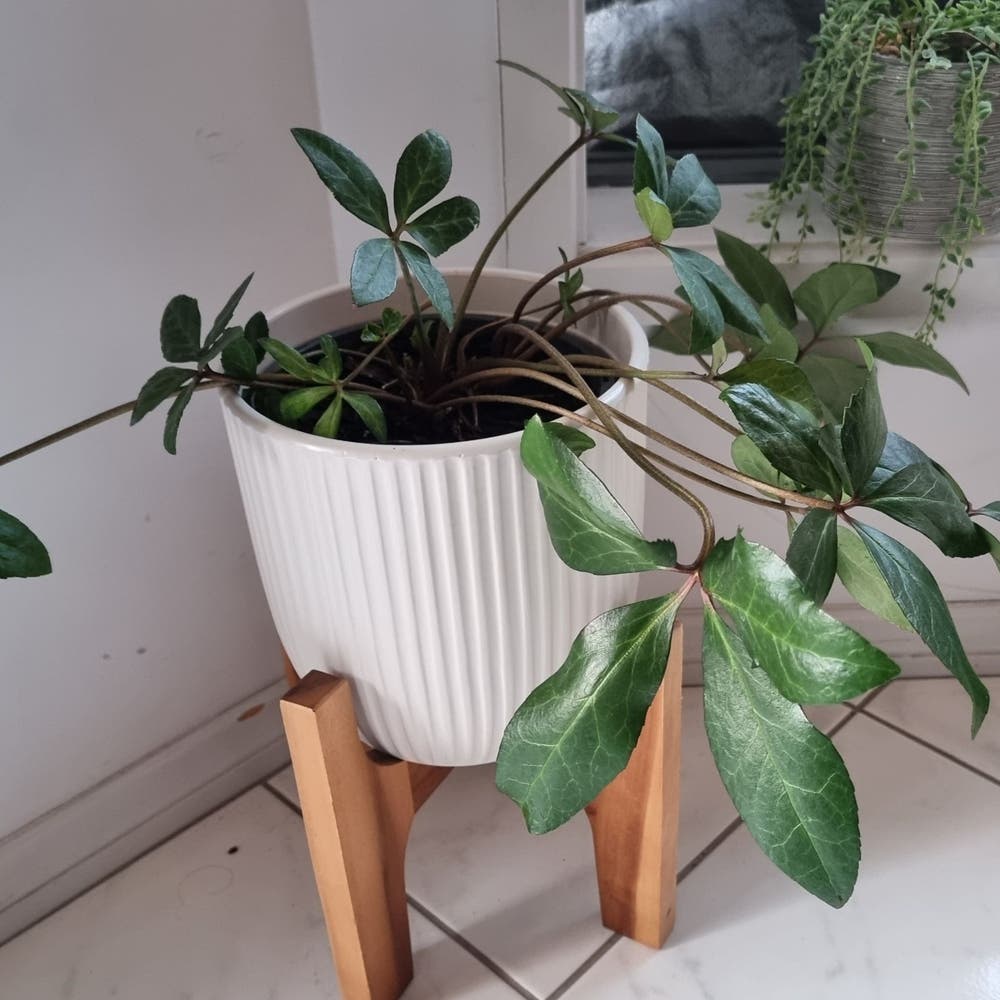
🌸 Top 5 Companions for a Healthy Lenten Rose Garden
Helleborus orientalis
By the Greg Editorial Team
Oct 15, 2024•4 min read
This article was created with the help of AI so we can cover more plants for you. May contain errors. See one? Report it here.
Elevate your garden's beauty 🌼 and health by selecting the ideal companion plants for Lenten Rose!
- 🌼 Pulmonaria and Brunnera enhance Lenten Rose gardens with moisture compatibility and pollinator attraction.
- 🌿 Avoid heavy feeders and invasives to protect Lenten Rose from nutrient competition and disruption.
- 🌈 Layering diverse plants creates visual appeal and a balanced ecosystem for healthier growth.
Top Companion Plants
🌿 Pulmonaria
Pulmonaria, or lungwort, thrives in shaded, moist environments, making it an ideal companion for Lenten Rose. Its similar moisture and light requirements ensure both plants can flourish together.
Additionally, Pulmonaria boasts pest-repellent properties. It contains compounds that deter common garden pests, helping to protect your Lenten Rose from unwanted visitors.
🌼 Brunnera macrophylla
Brunnera macrophylla, known for its striking bright blue flowers, adds visual appeal to your garden. These blooms beautifully complement Lenten Rose, while the plant spreads easily, providing lush ground cover.
Moreover, Brunnera attracts pollinators, serving as a nectar source for bees and butterflies. This not only enhances the beauty of your garden but also supports local ecosystems.
🍃 Ferns
Ferns are another excellent choice for companion planting. They flourish in the same shaded, moist conditions as Lenten Rose, ensuring compatibility.
These plants also add texture and greenery to your garden. With varied leaf shapes and sizes, ferns enhance visual interest and create a dynamic landscape.
🌈 Heuchera
Heuchera, or coral bells, offers colorful foliage that can brighten up your garden. With a range of colors from deep burgundy to bright lime, it provides stunning visual interest alongside Lenten Rose.
Like the other companions, Heuchera prefers well-drained, moist soil. This similarity in soil and moisture needs makes it a perfect match for your Lenten Rose garden.
🌸 Tiarella
Tiarella, or foam flower, is a fantastic ground cover option. It spreads effectively, filling in gaps around Lenten Rose and creating a cohesive look.
Additionally, Tiarella attracts beneficial insects. Its flowers draw in pollinators and predatory insects, contributing to a balanced garden ecosystem.
These companion plants not only enhance the beauty of your Lenten Rose garden but also promote a healthier growing environment. By choosing the right companions, you can create a vibrant and thriving garden space.
Next, we’ll explore which plants to avoid to ensure your Lenten Rose thrives without competition or harm.
Plants to Avoid
Heavy Feeders 🌱
When planning your Lenten Rose garden, steer clear of heavy feeders. These plants compete for nutrients, potentially depleting the essential soil nutrients that your Lenten Rose needs to thrive.
Invasive Species 🚫
Invasive species can be a gardener's nightmare. Their aggressive growth can smother Lenten Rose and other companion plants, disrupting the delicate balance of your garden.
Plants with Different Moisture Needs 💧
It's crucial to consider moisture compatibility. Plants that require different moisture levels can lead to root rot or dehydration for your Lenten Rose, jeopardizing its health and beauty.
By avoiding these problematic plants, you can create a thriving environment for your Lenten Rose and its companions. Next, let’s explore how to manage pests effectively while fostering beneficial relationships in your garden.
Pest Management and Symbiotic Relationships
Companion plants play a crucial role in pest management by naturally deterring harmful insects. Many of these plants emit scents or chemicals that repel pests, creating a healthier environment for your Lenten Rose.
🐞 Attracting Beneficial Insects
In addition to repelling pests, companion plants can attract beneficial insects. For instance, ladybugs, lacewings, and parasitic wasps are drawn to these plants and help control pest populations effectively.
🌱 Creating a Balanced Ecosystem
The practice of companion planting fosters a balanced ecosystem in your garden. By promoting biodiversity, you not only enhance the beauty of your space but also encourage natural pest control, leading to healthier plants overall.
By understanding these relationships, you can cultivate a thriving garden that flourishes with minimal intervention. Next, let’s explore how to enhance the visual appeal of your garden with thoughtful design choices.
Visual Appeal and Garden Design
Combining Colors and Textures with Lenten Rose 🎨
Creating visual harmony in your garden starts with the right color combinations. Lenten Rose pairs beautifully with contrasting foliage and vibrant flower colors, enhancing its delicate blooms.
Creating Layers in the Garden 📏
Layering your plants adds depth and dimension. Position taller plants at the back and shorter ones in the front to create a stunning visual effect that draws the eye.
Seasonal Interest Through Companion Planting 🌼
To keep your garden lively year-round, select companion plants that bloom at different times. This strategy ensures that your garden remains vibrant and engaging through every season.
By thoughtfully combining colors, layering plants, and planning for seasonal interest, you can create a visually appealing Lenten Rose garden that captivates all year long. Next, let's explore how to manage pests and foster symbiotic relationships among your plants.
⚠️ Safety First
This content is for general information and may contain errors, omissions, or outdated details. It is not medical, veterinary advice, or an endorsement of therapeutic claims.
Always consult a qualified healthcare professional before using any plant as food, medicine, or supplement.
Never eat any plant (or feed one to pets) without confirming its identity with at least two trusted sources.
If you suspect poisoning, call Poison Control (800) 222-1222, the Pet Poison Helpline (800) 213-6680, or your local emergency service immediately.
Spotted an error? Please report it here.
Transform your Lenten Rose garden into a vibrant oasis 🌼 by using Greg's tailored care tips to choose the perfect companions that thrive together!