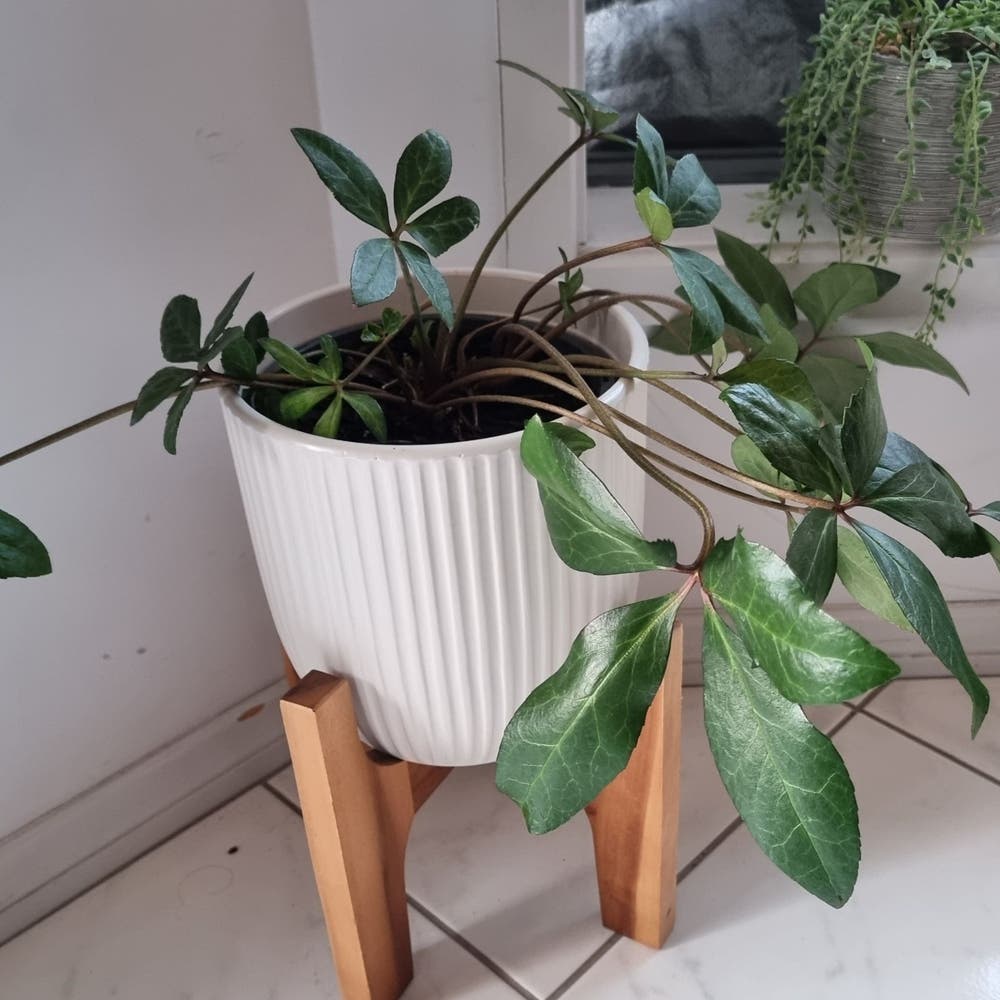
🌹 Lenten Rose Is a Perennial
Helleborus orientalis
By the Greg Editorial Team
Oct 15, 2024•4 min read
This article was created with the help of AI so we can cover more plants for you. May contain errors. See one? Report it here.
Elevate your garden with the resilient Lenten Rose 🌸, a perennial that blooms vibrantly year after year!
- 🌼 Lenten Rose thrives for over a decade, making it a long-lasting garden choice.
- 🌱 This resilient perennial blooms early, adding color before spring arrives.
- 🌍 Adaptable to various climates, Lenten Rose requires minimal maintenance for vibrant growth.
Characteristics that Classify Lenten Rose as a Perennial
🌱 Multi-Year Lifecycle
Lenten Rose, or Helleborus, is celebrated for its remarkable multi-year growth cycle. This perennial can thrive for many years, often exceeding a decade, making it a long-lasting addition to any garden.
🌿 Growth Patterns and Regrowth from Roots
One of the standout features of Lenten Rose is its ability to form a clump of leathery, evergreen leaves. Each year, it regrows from established root systems, showcasing resilience against seasonal changes and adaptability to varying conditions.
This plant not only survives but flourishes, even in less-than-ideal environments. Its robust nature allows it to bounce back year after year, providing consistent beauty in your garden.
In summary, the Lenten Rose's multi-year lifecycle and strong growth patterns make it a perennial favorite among gardeners. As we explore its flowering behavior next, you'll see how this plant continues to impress with its blooms.
Flowering Behavior and Lifespan
🌸 Flowering Patterns
Lenten Rose blooms from late winter to early spring, often making an appearance before the last frost. These flowers showcase a variety of colors, sizes, and shapes, adding vibrant life to your garden during the colder months.
The longevity of Lenten Rose blooms is impressive, often lasting several weeks. This resilience means you can enjoy their beauty for an extended period, brightening up your landscape when many other plants are still dormant.
⏳ Expected Lifespan and Influencing Factors
On average, Lenten Rose can thrive for over a decade, making it a long-term investment for any garden. However, several factors influence its lifespan, including soil quality, moisture levels, and sunlight exposure.
Well-drained, rich soil is essential for optimal growth. Additionally, consistent moisture and appropriate sunlight can significantly enhance the plant's health and flowering capabilities, ensuring it remains a stunning feature in your garden for years to come.
As we explore the dormancy and seasonal changes of Lenten Rose, you'll see how these factors further shape its growth and flowering behavior.
Dormancy and Seasonal Changes
Dormancy Periods 🌙
Lenten Rose typically enters a dormancy period during late fall and winter. This phase is crucial for the plant, allowing it to conserve energy and prepare for the upcoming growth season.
Dormancy helps maintain the overall health of the Lenten Rose, ensuring it can thrive when temperatures rise again. During this time, the plant may appear lifeless, but beneath the surface, its robust root system is gearing up for a vibrant return.
Seasonal Changes and Their Impact on Growth 🌼
As seasons shift, Lenten Rose demonstrates remarkable adaptability. It retains its leathery leaves throughout winter, providing a striking contrast against the cold landscape.
When spring approaches, the plant initiates flowering, often blooming before the last frost. Temperature and moisture levels significantly influence its growth patterns, dictating when it will flourish and how robust its blooms will be.
Understanding these seasonal dynamics can enhance your gardening strategy, ensuring your Lenten Rose remains a perennial favorite in your landscape. With the right care, this resilient plant will reward you with beauty year after year.
Advantages for Gardeners
Benefits of Perennial Nature 🌱
Lenten Rose is a gardener's dream, primarily due to its perennial nature. Once established, it significantly reduces the need for replanting, thanks to its robust root system.
This resilience translates into low maintenance requirements. Lenten Rose is naturally resistant to many pests and diseases, allowing you to enjoy your garden without constant worry.
Reduced Replanting and Maintenance ⏳
Choosing perennial plants like Lenten Rose can save you both time and money. You won't need to replant each season, which frees you up for other gardening tasks or simply enjoying your space.
Moreover, the established root systems contribute to garden stability and aesthetics. A well-rooted Lenten Rose not only thrives but also enhances the overall beauty of your garden, making it a smart choice for any landscape.
With these advantages, incorporating Lenten Rose into your garden can lead to a more sustainable and visually appealing outdoor space. As we explore further, let’s look at how climate and growing conditions can influence your gardening success.
Climate and Growing Conditions
🌍 Variations in Behavior Across Climate Zones
Lenten Rose is remarkably adaptable, thriving in various climate zones. Its hardiness allows it to withstand a range of temperatures, making it a favorite among gardeners.
This perennial prefers well-drained, rich soil and thrives in shaded areas. These conditions not only promote healthy growth but also enhance its stunning blooms.
🌱 Tips for Maximizing Benefits in Garden Planning
Incorporating Lenten Rose into your garden design can be a game-changer. Consider companion planting with other shade-loving plants to create a lush, vibrant space.
To ensure optimal growth and flowering, tailor your care based on your climate zone. Regularly check soil moisture and provide adequate shade to keep your Lenten Rose flourishing throughout the seasons.
With the right planning, you can enjoy the beauty of Lenten Rose for years to come.
⚠️ Safety First
This content is for general information and may contain errors, omissions, or outdated details. It is not medical, veterinary advice, or an endorsement of therapeutic claims.
Always consult a qualified healthcare professional before using any plant as food, medicine, or supplement.
Never eat any plant (or feed one to pets) without confirming its identity with at least two trusted sources.
If you suspect poisoning, call Poison Control (800) 222-1222, the Pet Poison Helpline (800) 213-6680, or your local emergency service immediately.
Spotted an error? Please report it here.
Cultivate a vibrant garden 🌼 with Lenten Rose, a resilient perennial that thrives for years, and let Greg help you succeed with personalized care tips for optimal growth!