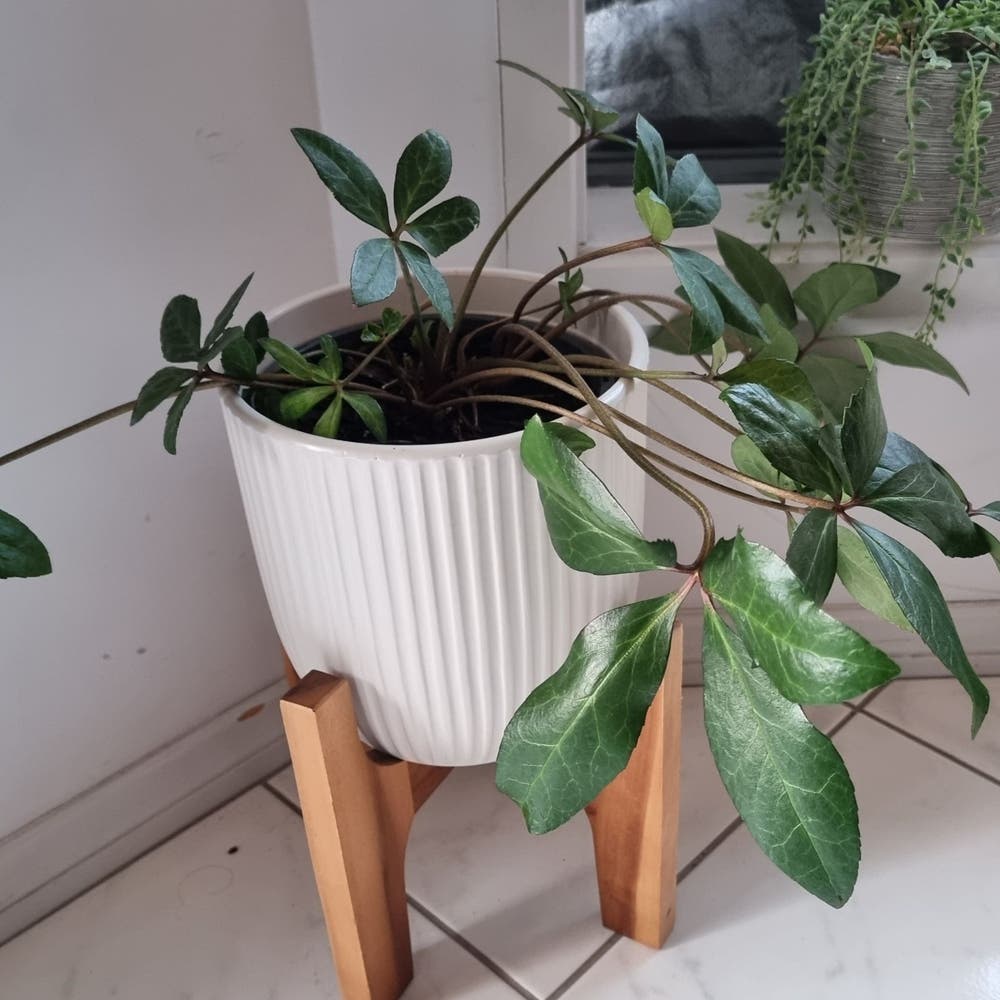
🌸 How Long Your Lenten Rose Will Live
Helleborus orientalis
By the Greg Editorial Team
Oct 15, 2024•5 min read
This article was created with the help of AI so we can cover more plants for you. May contain errors. See one? Report it here.
Unveil the magical journey of the Lenten Rose 🌸 from seed to stunning bloom—your garden will thank you!
- 🌱 Lenten Rose seeds germinate in 30-90 days; temperature and moisture are key.
- 🌼 Mature plants flower from February to April, attracting early pollinators.
- 🌿 Understanding growth stages ensures proper care for thriving Lenten Roses.
Germination Stage
🌱 Duration of Germination
Germinating Lenten Rose seeds can take anywhere from 30 to 90 days. The exact duration largely depends on the conditions you provide.
🌿 Conditions for Successful Germination
To ensure your seeds thrive, focus on the following key factors:
Temperature
Aim for a temperature range of 60°F to 70°F (15°C to 21°C). This warmth encourages healthy seed development.
Moisture
Keep the soil consistently moist, but avoid waterlogging. Too much water can drown the seeds, while too little can halt germination.
Light
Providing some light exposure can significantly enhance germination rates. A little sunlight goes a long way in kickstarting growth.
Stratification
Consider cold stratification for 4-6 weeks. This process mimics winter conditions and can greatly improve your germination success.
By paying attention to these conditions, you set the stage for a robust start to your Lenten Rose's life cycle. Next, let’s explore the seedling stage, where your efforts begin to bear fruit.
Seedling Stage
Length of Seedling Development 🌱
The seedling stage lasts approximately 6 months to 1 year before you can transplant your Lenten rose. This period is crucial for establishing a strong foundation for future growth.
Key Characteristics of Seedlings 🌿
During this stage, seedlings typically reach a height of 2-4 inches. Their initial leaves are small, lobed, and boast a vibrant deep green color.
Root Development 🌍
A robust root system is essential for the health of your seedlings. Strong roots will support the plant as it matures and transitions to the next growth stage.
Importance of Care 💧
Providing the right care during this stage can significantly impact the plant's longevity. Consistent moisture and proper light exposure will help your seedlings thrive.
Observing Growth 👀
Keep an eye on your seedlings as they develop. Not only is it rewarding to watch them grow, but it also allows you to adjust care as needed.
Transitioning to the Next Stage 🚀
Once your seedlings are well-established, they will be ready for transplanting. This marks an exciting step in their journey toward becoming mature Lenten roses.
Vegetative Growth Stage
Duration of Vegetative Growth 🌱
The vegetative growth stage of your Lenten rose can last anywhere from 1 to 3 years. This timeframe largely depends on the environmental conditions, such as soil quality and climate.
Changes in Foliage and Structure 🍃
As your plant matures, you'll notice significant changes in its foliage. Leaves grow larger and more pronounced, often reaching lengths of up to 12 inches.
Plant Structure 🌳
During this stage, the plant develops a bushy appearance with multiple stems. This robust structure not only enhances its aesthetic appeal but also supports its overall health.
Evergreen Nature 🌿
One of the standout features of the Lenten rose is its evergreen nature. It retains its lush foliage throughout winter, providing visual interest even in the cold months.
This stage sets the foundation for the flowering phase, where the beauty of your Lenten rose truly shines.
Flowering Stage
Timeframe for Flowering 🌸
Flowering in Lenten roses typically occurs from late winter to early spring, specifically between February and April. This is when the garden begins to awaken, and these resilient plants add a splash of color.
Description of Flower Development 🌼
As the season progresses, flower buds emerge from the base of the plant, signaling the start of a vibrant display.
Flower Characteristics
The flowers can be stunningly diverse, showcasing shades of white, pink, or purple, all with a charming cup-shaped appearance.
Pollination
These blooms are not just pretty faces; they attract early pollinators, playing a crucial role in the plant's reproductive cycle. This interaction not only supports the plant but also contributes to the ecosystem, making Lenten roses a valuable addition to any garden.
As you observe the flowering stage, you'll witness the beauty and resilience of these plants, setting the stage for the next phase: seed production.
Seed Production Stage
Duration of Seed Production 🌱
Seed production for Lenten roses typically spans from late spring to early summer. This period is crucial as the plant transitions from blooming to creating the next generation of seeds.
Process of Seed Formation and Dispersal 🌬️
After the flowering phase, seed pods begin to develop. These pods contain multiple seeds, ready to ensure the plant's legacy.
The dispersal mechanism is fascinating. Seeds can self-seed, meaning they drop and germinate right where they fall. Alternatively, they can be carried away by wind or animals, enhancing the plant's longevity in your garden.
This natural process not only supports the plant's survival but also contributes to the biodiversity of your garden. Watching this cycle unfold can be a rewarding experience, reminding us of nature's resilience and beauty.
As we explore the life cycle of the Lenten rose, it's essential to recognize the notable changes that occur throughout its stages. Let's dive into how these transformations manifest visually and seasonally.
Notable Changes Throughout Life Cycle
Changes in Appearance at Each Stage 🌱
The life cycle of the Lenten Rose is a fascinating journey.
Germination: Tiny seedlings push through the soil, marking the beginning of life.
Seedling Stage: As they grow, small, lobed leaves emerge, showcasing their vibrant green color.
Vegetative Growth: Over time, these plants transition into larger, bushier forms, adorned with evergreen foliage that adds texture to any garden.
Flowering: Finally, colorful blooms burst forth, attracting early pollinators and completing the cycle of life.
Seasonal Variations in Growth and Flowering 🌸
Each season brings its own charm to the Lenten Rose.
Winter: The evergreen foliage remains, providing visual interest even in the cold months.
Spring: This is when the magic happens—rapid growth and flowering occur, marking the peak of the life cycle.
Summer: As the flowering phase concludes, the plant enters seed production, followed by a period of dormancy in late summer.
These changes not only enhance the garden's beauty but also contribute to the plant's resilience and longevity. Understanding these stages helps gardeners appreciate the Lenten Rose's unique life cycle and plan accordingly for its care.
Next, we will explore the Seed Production Stage and how it plays a crucial role in the plant's lifecycle.
⚠️ Safety First
This content is for general information and may contain errors, omissions, or outdated details. It is not medical, veterinary advice, or an endorsement of therapeutic claims.
Always consult a qualified healthcare professional before using any plant as food, medicine, or supplement.
Never eat any plant (or feed one to pets) without confirming its identity with at least two trusted sources.
If you suspect poisoning, call Poison Control (800) 222-1222, the Pet Poison Helpline (800) 213-6680, or your local emergency service immediately.
Spotted an error? Please report it here.
Unlock the full potential of your Lenten Rose's life cycle 🌼 by using Greg's tailored care tips and reminders to help your plants flourish at every stage!