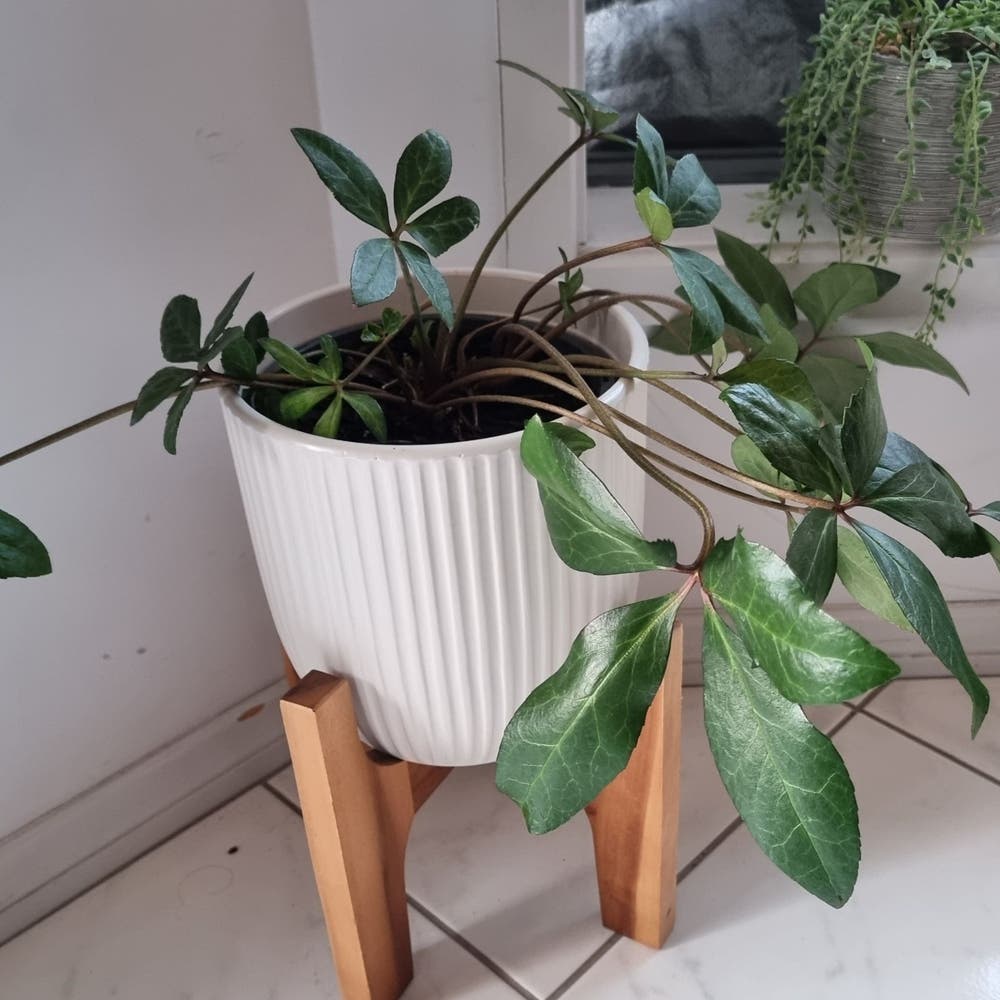
🌸 Lenten Rose Hardiness Zones Ultimate Guide: 4a-9b
Helleborus orientalis
By the Greg Editorial Team
Oct 15, 2024•5 min read
This article was created with the help of AI so we can cover more plants for you. May contain errors. See one? Report it here.
Unlock vibrant Lenten Roses 🌹 by mastering their temperature tolerance for thriving blooms in any garden! 🌱
- 🌡️ Lenten Roses thrive in zones 4a to 9b, tolerating temperatures from -30°F to 90°F.
- 🌿 Shade and moisture management are key to preventing heat stress in Lenten Roses.
- 🏡 Microclimates influence growth, allowing Lenten Roses to flourish in unexpected locations.
Lenten Rose Temperature Tolerance
❄️ Cold Tolerance Specifics
Lenten Roses are remarkably hardy, with a minimum temperature tolerance down to -30°F (-34°C) in Zone 4a. This cold tolerance is crucial for their survival, allowing them to withstand late winter frosts and ensuring vibrant blooms in early spring.
☀️ Heat Tolerance Specifics
On the warmer end, Lenten Roses can thrive in temperatures up to 90°F (32°C) in Zone 9b. However, prolonged heat can stress the plants, affecting both growth and flowering.
🌡️ Strategies for Managing Heat Stress
To combat heat stress, consider providing shade during the hottest parts of the day and ensuring consistent moisture. Mulching can also help retain soil moisture and regulate temperature.
🌱 Ideal Temperature Ranges for Optimal Growth
For optimal growth, Lenten Roses flourish best in temperatures ranging from 50°F to 70°F (10°C to 21°C). Fluctuations outside this range can impact flowering and foliage health, making it essential to monitor seasonal changes.
📅 Seasonal Temperature Considerations
Understanding seasonal temperature variations is key to successful growth. By anticipating these changes, gardeners can better prepare their Lenten Roses for the conditions ahead.
This comprehensive look at temperature tolerance sets the stage for understanding where Lenten Roses can thrive best, leading us to explore ideal growing regions next.
Ideal Growing Regions
Suitable US States (Zones 4a-9b) 🌎
Lenten Roses thrive across a variety of climates, making them a versatile choice for gardeners.
Zone 4a: Ideal states include Minnesota, North Dakota, and parts of Wisconsin. These regions provide the cold tolerance that Lenten Roses need.
Zone 5a-6b: Look to New York, Illinois, and Ohio for suitable growing conditions. The moderate temperatures here support healthy growth.
Zone 7a-9b: Virginia, North Carolina, and California offer warmer climates where Lenten Roses can flourish. These states provide the right balance of warmth and moisture.
Factors Contributing to Ideal Conditions 🌱
To ensure your Lenten Roses thrive, consider the following essential factors:
Soil Preferences
Lenten Roses prefer well-drained soil rich in organic matter. This type of soil promotes healthy root development and overall plant vigor.
Moisture Requirements
Consistent moisture is crucial, but avoid waterlogging. Striking the right balance will keep your plants hydrated without drowning them.
Light Conditions
These plants thrive in shaded or partially shaded areas. Too much direct sunlight can stress them, so choose your planting spots wisely.
Understanding these factors will help you create the perfect environment for your Lenten Roses. With the right conditions, you can enjoy their stunning blooms year after year.
Next, we’ll explore how microclimates can further enhance your gardening experience with Lenten Roses.
Microclimates and Their Impact
🌍 Definition and Significance
Microclimates are localized areas where the climate differs from the surrounding environment. They play a crucial role in gardening, especially for plants like the Lenten Rose, as they can create conditions that enhance growth and flowering.
Several factors contribute to the formation of microclimates:
- Elevation: Higher altitudes often experience cooler temperatures.
- Proximity to Water: Bodies of water can moderate temperatures, providing a more stable environment.
- Urban Heat Islands: Cities tend to retain heat, creating warmer conditions that can benefit certain plants.
🌱 Extending the Growing Range
Microclimates can enable Lenten Rose to flourish beyond their typical hardiness zones. For instance, a garden nestled near a pond may maintain a slightly warmer temperature, allowing these flowers to thrive even in cooler areas.
Case studies illustrate this phenomenon. In urban settings, gardeners have successfully cultivated Lenten Rose in unexpected locations, such as shaded courtyards or near heat-retaining walls. These examples highlight the adaptability of the plant when given the right conditions.
Understanding microclimates can empower gardeners to make informed decisions about where to plant Lenten Rose. By leveraging these unique environmental factors, you can extend the growing range and enjoy vibrant blooms in diverse settings.
As we explore the ideal growing regions next, consider how your local microclimate might influence your gardening choices.
State-Level Suitability Analysis
Suitable States for Lenten Rose (Zones 4a-9b) 🌼
Lenten Rose thrives in a variety of states across the U.S., particularly in hardiness zones 4a to 9b. Here’s a quick look at some of the best states for growing this resilient plant:
Minnesota: Cold winters and moderate summers create a perfect environment for Lenten Rose. The plant can handle the chill and still bloom beautifully in spring.
North Dakota: Similar to Minnesota, it offers the cold tolerance Lenten Rose needs. The plant can endure harsh winters, making it a suitable choice.
New York: With its diverse climate, Lenten Rose flourishes in shaded areas, especially in the cooler regions. The rich soil supports healthy growth.
Virginia: This state provides a mild climate that allows Lenten Rose to thrive. The combination of warmth and moisture is ideal for its growth.
California: In the southern parts, Lenten Rose can adapt well, especially in shaded gardens. The mild winters and moderate summers suit its needs.
Unsuitable States and Challenges 🚫
While Lenten Rose is adaptable, some states pose challenges that make growth difficult. Here are the states where it struggles:
North Dakota and parts of Montana: These areas fall into Zone 3 or lower, exposing Lenten Rose to extreme cold that can damage the plant.
Florida and southern Texas: In these Zone 10 regions, the heat can be overwhelming. Lenten Rose lacks the frost tolerance needed for survival.
The challenges in these unsuitable states often stem from extreme weather conditions.
Specific Challenges in Unsuitable States ⚠️
In states where Lenten Rose struggles, specific challenges arise.
Cold Damage: In warmer climates, the lack of winter dormancy can hinder the plant's ability to thrive. This can lead to stunted growth or even death.
Heat Stress: In hotter regions, prolonged heat can cause drought conditions. Lenten Rose may not survive without consistent moisture.
If you’re in an unsuitable zone, consider alternative plants that can withstand your local climate. Options like hostas or ferns may provide similar aesthetic appeal without the stress of extreme conditions.
Transitioning to the next topic, understanding microclimates can further enhance your gardening success, allowing you to create ideal conditions for your plants.
⚠️ Safety First
This content is for general information and may contain errors, omissions, or outdated details. It is not medical, veterinary advice, or an endorsement of therapeutic claims.
Always consult a qualified healthcare professional before using any plant as food, medicine, or supplement.
Never eat any plant (or feed one to pets) without confirming its identity with at least two trusted sources.
If you suspect poisoning, call Poison Control (800) 222-1222, the Pet Poison Helpline (800) 213-6680, or your local emergency service immediately.
Spotted an error? Please report it here.
Unlock the secret to thriving Lenten Roses in your garden 🌱 by using Greg's tailored watering reminders and expert care tips to match your unique hardiness zone!