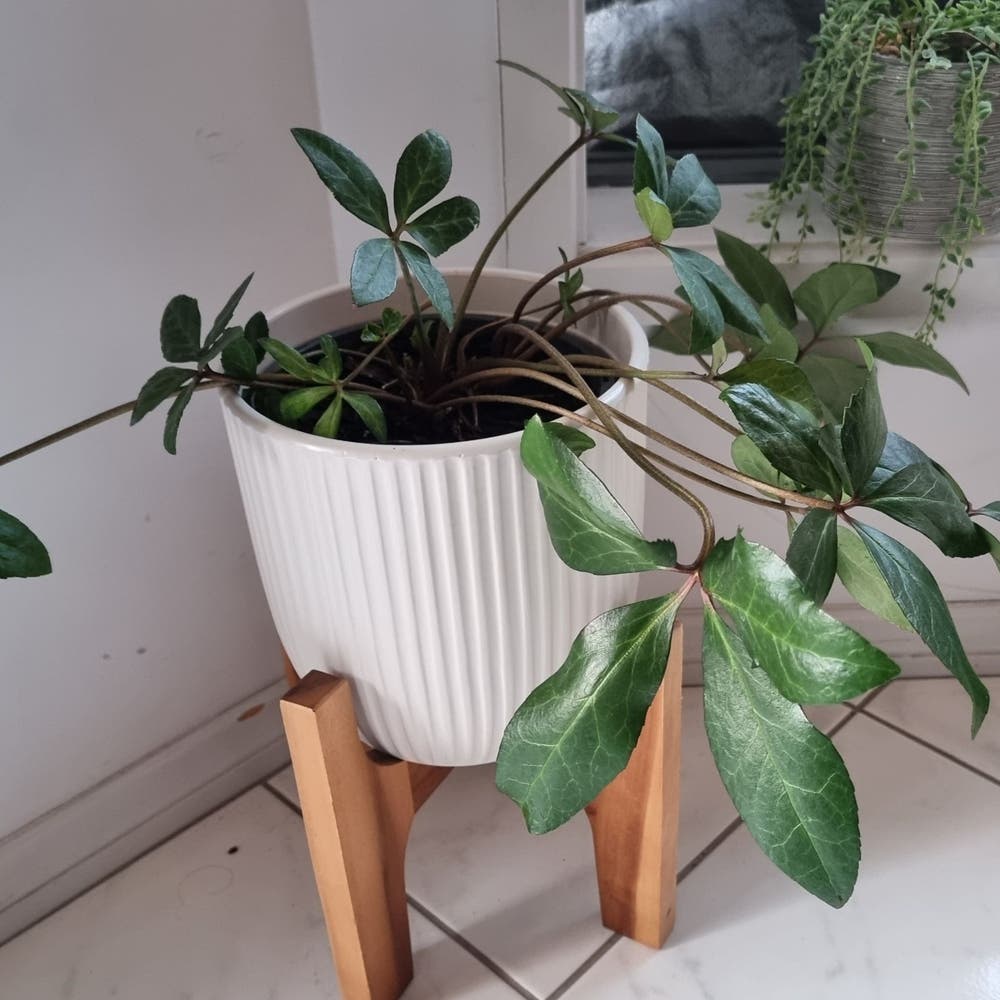
🌸 Step-by-Step Guide to Potting Lenten Rose
Helleborus orientalis
By the Greg Editorial Team
Oct 15, 2024•6 min read
This article was created with the help of AI so we can cover more plants for you. May contain errors. See one? Report it here.
Unlock vibrant blooms for your Lenten Rose 🌹 by mastering the perfect potting techniques for every growth stage!
- 🌱 Choose pot sizes wisely: 4-6" for seedlings, 12-16" for mature Lenten Roses.
- 🕵️♂️ Monitor roots: Repot if roots emerge from drainage holes or soil looks depleted.
- 🏺 Select pot materials: Clay prevents rot but is heavy; plastic retains moisture but risks rot.
Pot Sizes for Lenten Rose
🌱 Importance of Pot Size for Different Growth Stages
Choosing the right pot size for your Lenten Rose is crucial for its growth and health. Each growth stage requires a specific pot size to ensure optimal root development.
Seedlings
For seedlings, a pot size of 4-6 inches in diameter is ideal. This size allows young roots to establish without excess soil that can retain too much moisture.
Young Plants
As your Lenten Rose matures, transition to a pot size of 8-10 inches in diameter. This size supports the expanding root system while still providing adequate drainage.
Mature Plants
Once your plant reaches maturity, opt for a pot size of 12-16 inches in diameter. A larger pot accommodates the extensive root network and helps prevent overcrowding.
Transitioning Between Sizes
Timing is key when repotting. Monitor root growth closely; if roots start to emerge from the drainage holes, it’s time to move to a larger pot. Regular checks will help you catch this early and ensure your plant thrives.
Understanding these pot size recommendations will set your Lenten Rose up for success. Next, let’s explore the ideal pot materials to enhance your plant's growth.
Ideal Pot Materials
🌱 Clay vs. Plastic
When it comes to potting your Lenten Rose, the choice of material can significantly impact its growth. Let's break down the pros and cons of clay and plastic pots.
Clay Pots
Clay pots are a popular choice for many gardeners. They are breathable, allowing air to circulate around the roots, which helps prevent root rot.
However, they come with some downsides. Clay pots are heavier, making them less portable, and they can crack in freezing temperatures, which is a concern in colder climates.
Plastic Pots
On the other hand, plastic pots are lightweight and easy to move around. They retain moisture longer, which can be beneficial for Lenten Roses that prefer consistent hydration.
Yet, they aren't without their issues. Plastic pots are less breathable, increasing the risk of root rot if overwatered.
⚖️ Comparison of Materials
Here's a quick comparison to help you decide:
| Feature | Clay Pots | Plastic Pots |
|---|---|---|
| Durability | More fragile | Generally more durable |
| Weight | Heavier | Lightweight |
| Moisture Retention | Regulates moisture well | Retains moisture longer |
Choosing the right pot material is crucial for your Lenten Rose's health. Consider your climate and watering habits before making a decision.
With the right pot in hand, you're one step closer to creating a thriving environment for your Lenten Rose. Next, let’s dive into the importance of drainage considerations to ensure your plant stays healthy and vibrant.
Drainage Considerations
🌧️ Importance of Drainage Holes
Proper drainage is crucial for the health of your Lenten Rose. Without adequate drainage holes, water can accumulate, leading to soggy soil and unhappy roots.
For optimal drainage, aim for pots with at least three to five holes, each around 1/2 inch in diameter. This ensures excess water can escape, preventing root rot.
When selecting pots, consider both standard and decorative options. While decorative pots can enhance your space, ensure they also feature effective drainage systems.
🌱 How Drainage Impacts Root Health
Root rot is a common issue caused by overwatering and poor drainage. When roots sit in waterlogged soil, they suffocate and begin to decay, which can be detrimental to your plant's health.
To combat this, use well-draining soil specifically formulated for Lenten Roses. Look for mixes that include perlite or sand to enhance aeration and drainage, ensuring your plant thrives in its new home.
With the right drainage setup, your Lenten Rose will flourish, setting the stage for a vibrant display. Next, let’s explore how to repot your plant effectively to keep it growing strong.
Repotting Lenten Rose
When to Repot 🌱
The best time to repot your Lenten Rose is early spring, just before blooming begins. Avoid repotting during extreme temperatures, as this can stress the plant.
Signs That Indicate the Need for Repotting 🚨
Look for signs that your Lenten Rose needs repotting. If you see roots growing out of the drainage holes, it’s a clear indication that the plant is root-bound.
Another sign is the condition of the soil. If it appears depleted or compacted, it’s time for a change.
Step-by-Step Guide to Repotting Lenten Rose 🛠️
Prepare the new pot: Choose an appropriate size and material, ensuring the drainage holes are clear.
Remove the plant from the old pot: Gently loosen the soil around the roots to avoid damage.
Position the plant in the new pot: Fill it with fresh, well-draining soil to provide a healthy environment.
Watering techniques post-potting: Give it an initial watering to help settle the soil around the roots.
By following these steps, you’ll ensure your Lenten Rose thrives in its new home. Next, let’s explore common potting mistakes to avoid for optimal plant health.
Common Potting Mistakes
🌱 Overpotting vs. Underpotting
Overpotting occurs when you use a pot that’s too large for your Lenten Rose. This excess soil can lead to moisture retention, which may cause root rot.
On the flip side, underpotting restricts root growth. If the pot is too small, your plant may become root-bound, resulting in stunted growth and poor health.
🚰 Ignoring Drainage Needs
Neglecting drainage is a critical mistake many make. Without proper drainage, water can accumulate, increasing the risk of root rot.
Regularly check your pots for drainage issues. Ensuring that drainage holes are clear can save your plant from serious health problems.
🏺 Choosing the Wrong Pot Material
The choice of pot material significantly impacts your plant's health. Clay pots are breathable but can crack, while plastic pots retain moisture but may lead to root rot.
Selecting the right material is crucial for maintaining the balance of moisture and air circulation. A poor choice can create moisture issues that hinder your Lenten Rose's growth.
Understanding these common potting mistakes can help you create a thriving environment for your Lenten Rose. Next, let’s explore the importance of drainage considerations in potting.
⚠️ Safety First
This content is for general information and may contain errors, omissions, or outdated details. It is not medical, veterinary advice, or an endorsement of therapeutic claims.
Always consult a qualified healthcare professional before using any plant as food, medicine, or supplement.
Never eat any plant (or feed one to pets) without confirming its identity with at least two trusted sources.
If you suspect poisoning, call Poison Control (800) 222-1222, the Pet Poison Helpline (800) 213-6680, or your local emergency service immediately.
Spotted an error? Please report it here.
Potting your Lenten Rose is a breeze 🌱 when you use Greg's tailored reminders for pot size and watering, ensuring your plant thrives and blooms beautifully!