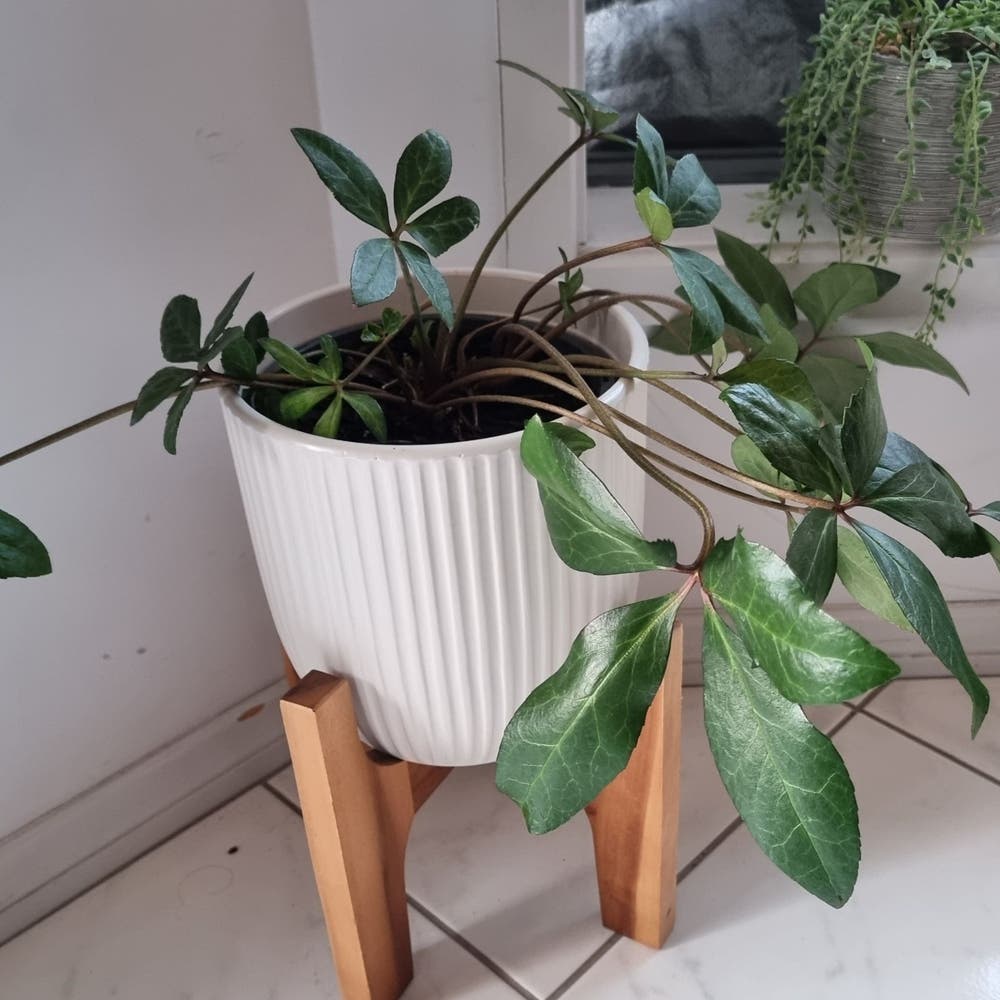
Why Is My Lenten Rose Dropping Leaves?
Helleborus orientalis
By the Greg Editorial Team
Jun 18, 2024•5 min read
This article was created with the help of AI so we can cover more plants for you. May contain errors. See one? Report it here.
Unravel the secrets behind your Lenten Rose's leaf loss and nurture it back to health with confidence! 🌿
- Abnormal leaf drop signals distress in Lenten Rose; look for discoloration and wilting.
- Combat pests and weather stress with regular inspections and protective mulching.
- Adjust watering and fertilization to prevent overwatering and address nutrient needs.
Spotting the Signs: When Leaf Drop Spells Trouble
🍂 Identifying Abnormal Leaf Drop Patterns in Lenten Rose
Abnormal leaf drop in Lenten Rose isn't part of the usual plant script. If you're witnessing a leaf exodus, it's a signal to pay attention. Seasonal shedding is one thing, but when leaves start to bail in off-seasons or in droves, it's a red flag. Consistency in leaf drop patterns is key; erratic behavior is a plant's SOS.
🚨 Recognizing Symptoms That Accompany Concerning Leaf Drop
When your Lenten Rose drops leaves like hot potatoes, look for the sidekicks of distress. Discoloration, wilting, and spots that look like they belong in a plant horror show are telling. Flip those leaves; invaders love the underside. If you spot concentric rings or spots with a defined edge, it's time to channel your inner detective. And remember, texture changes in leaves are like secret messages about your plant's health.

The Usual Suspects: Pests, Diseases, and Environmental Stress
🐛 Pests and Diseases
Aphids, Slugs, and Fungal Foes
Aphids suck the life out of leaves, leaving them distressed and droopy. Slugs are no less destructive, munching through foliage with gusto. Fungal diseases, like rusts and black spot, thrive in damp conditions, disfiguring leaves with unsightly blemishes.
🛡️ Treatment and Prevention Tactics
Vigilance is key. Inspect leaves regularly for pests and signs of disease. Introduce natural predators like ladybugs to tackle aphids. For slugs, set up barriers or traps. Fungal issues call for improved air circulation and careful watering at the soil level, not on the leaves. In severe cases, appropriate fungicides can be used as directed.
🌡️ Environmental Stressors
Battling the Extremes
Your Lenten Rose hates extreme weather. Heat waves, freezing temperatures, and drought can all cause leaves to drop. It's not just about survival; it's about maintaining a happy, stress-free environment for your plant.
🌱 Mulching and Shading Strategies
Mulch to retain soil moisture and regulate temperature. During scorching summers or unexpected frosts, provide shade or shelter. Remember, a comfortable Lenten Rose is a leafy Lenten Rose.

Water Woes: Overwatering and Poor Drainage
💧 Diagnosing Overindulgence: Signs of Waterlogged Roots
Yellowing leaves and wilting despite moist soil are telltale signs of overwatering. Roots can become mushy, a clear indicator of rot. If your Lenten Rose is dropping leaves and the soil feels like a wet sponge, it's time to reassess your watering habits. A heavy pot often signals excess moisture, while a light one suggests the need for water.
💦 Fine-tuning Your Watering Routine: Tips for Optimal Hydration
Consistency is key. Establish a watering schedule that accommodates the weather and seasonal changes. Let the topsoil dry out slightly before watering again. If you're grappling with chronic overwatering, consider switching to a well-draining soil mix. Ensure your pots have drainage holes to prevent water from holding your Lenten Rose's roots hostage. Remember, the goal is to avoid extremes; you want the soil to be moist, not a swamp or a desert.

Feeding Finesse: Addressing Nutritional Deficiencies
🌱 Spotting the Signs of a Hungry Lenten Rose
Yellowing leaves or stunted growth in your Lenten Rose? It might be screaming for a nutrient fix. Before you go dumping fertilizer, remember: less is more. Overfeeding can be as harmful as neglect.
🌱 Tailoring the Diet: Soil Testing and Smart Fertilization
Soil test—it's like a health check-up for your garden bed. Get the dirt on your dirt to avoid flying blind with fertilizers. Once you know what's lacking, choose a balanced feed. Think of it as a multivitamin for your plant, providing all the essentials without the fluff.
🌱 Organic vs. Synthetic
Organic fertilizers, like compost or fish emulsion, are the slow food movement of plant care. They release nutrients at a leisurely pace, which is great for your Lenten Rose and the soil critters. Synthetic options can give a quicker boost but tread carefully to avoid chemical overload.
🌱 Application Tips
When it's time to feed, don't just sprinkle and hope for the best. Even distribution is key. And remember, timing is everything—feed during the growth periods, then let your Lenten Rose fast during its dormant phase. It's about rhythm, not a feeding frenzy.
The Transplant Tango: Minimizing Shock
🌱 Navigating the Transplant Transition: Timing and Technique
Transplanting your Lenten Rose requires timing and finesse. Choose early spring or late summer, when the plant is dormant, to avoid disrupting its growth cycle. Gently loosen the soil around the roots and lift the plant with care to keep the root ball intact. Replant at the same depth it was growing previously, as planting too deep can suffocate the roots.
🌿 Ensuring a Smooth Move: Post-transplant Care for Leaf Retention
After the move, your Lenten Rose might look a bit dramatic. Don't fret; it's normal. Keep the soil consistently moist but not waterlogged to help the roots settle. Shield the plant from direct sunlight for a few weeks with a strategic placement or a shade cloth. Monitor the plant for signs of distress and adjust your care accordingly. Remember, a little TLC goes a long way in preventing leaf drop post-transplant.
⚠️ Safety First
This content is for general information and may contain errors, omissions, or outdated details. It is not medical, veterinary advice, or an endorsement of therapeutic claims.
Always consult a qualified healthcare professional before using any plant as food, medicine, or supplement.
Never eat any plant (or feed one to pets) without confirming its identity with at least two trusted sources.
If you suspect poisoning, call Poison Control (800) 222-1222, the Pet Poison Helpline (800) 213-6680, or your local emergency service immediately.
Spotted an error? Please report it here.
Ensure your Lenten Rose stays thriving 🍃 with Greg's personalized care plans that prevent leaf drop by adjusting to your home's unique environment.