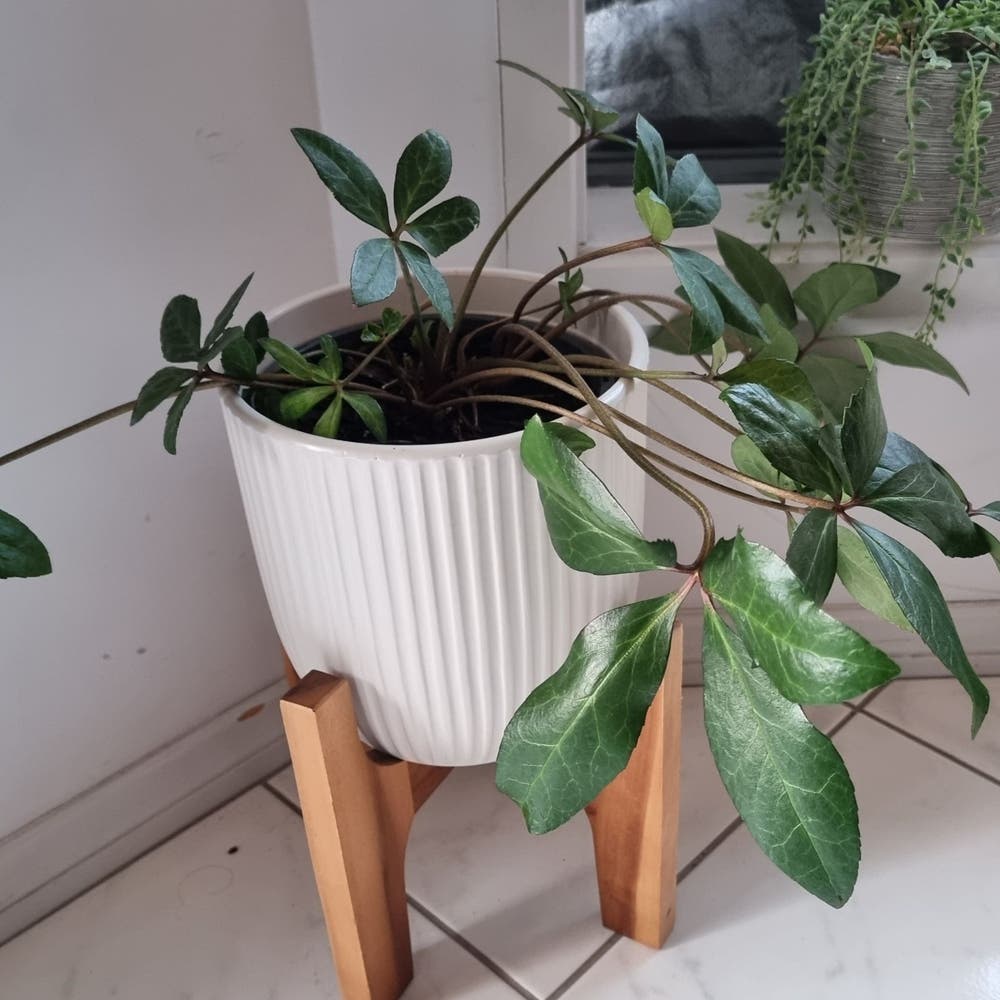
🌸 Why Your Lenten Rose Buds Won't Open
Helleborus orientalis
By the Greg Editorial Team
Oct 15, 2024•5 min read
This article was created with the help of AI so we can cover more plants for you. May contain errors. See one? Report it here.
Master the art of Lenten rose care 🌸 to unlock stunning blooms and vibrant garden displays this season!
- 🌞 Insufficient light hinders blooming; Lenten roses thrive in partial to full shade.
- 🌱 Nutritional deficiencies in nitrogen, phosphorus, and potassium affect flower development.
- 🌡️ Temperature fluctuations outside 45°F to 65°F can cause premature flower drop.
Common Reasons for Failure to Bloom
🌞 Insufficient Light Exposure
Light is crucial for the health of your Lenten roses. Ideally, they thrive in partial to full shade, but insufficient light can lead to weak growth and fewer flowers.
When your plants don’t get enough light, they struggle to photosynthesize effectively. This can result in a disappointing lack of blooms, leaving you wondering what went wrong.
🌱 Nutritional Deficiencies
Nutrients play a vital role in flower development. Key elements like nitrogen, phosphorus, and potassium must be balanced for optimal growth.
If your plants are lacking these nutrients, you might notice yellowing leaves or stunted growth. These signs indicate that your Lenten roses need a nutritional boost to flourish.
✂️ Improper Pruning Techniques
Pruning is an art that can significantly impact blooming. The best practice is to prune after flowering, which encourages new growth for the next season.
However, incorrect pruning can lead to the removal of flower buds. This mistake can leave you with fewer blooms than you anticipated, so timing and technique are essential.
Understanding these common reasons for failure to bloom can help you take proactive steps. Next, we’ll explore the causes of premature flower drop and how to prevent it.
Causes of Premature Flower Drop
🌡️ Environmental Stressors
Temperature fluctuations can wreak havoc on your Lenten rose buds. Ideally, they thrive in a temperature range of 45°F to 65°F (7°C to 18°C).
When temperatures dip below freezing or soar into extreme heat, your flowers may drop prematurely. Keeping an eye on the weather can help you protect your plants from these stressors.
🚰 Overwatering and Poor Drainage
Soil conditions play a crucial role in flower retention. Overwatering can lead to wilting and yellowing leaves, signaling that your plant is struggling.
To prevent root rot, ensure your soil drains well. A well-draining mix keeps roots healthy and supports robust flowering.
🐜 Pests and Diseases
Common pests like aphids can significantly impact flower health. These tiny invaders suck the sap from your plants, leading to weakened buds.
Fungal diseases also pose a threat, often resulting in premature flower drop. Regularly inspect your plants for signs of pests or disease to keep them thriving.
Understanding these causes can help you take proactive steps to ensure your Lenten rose blooms beautifully. Next, let’s explore how to address specific flowering issues effectively.
Factors Leading to Abnormal Flower Development
🌱 Genetic Variability Among Varieties
Different Lenten rose varieties exhibit unique flowering characteristics. This includes variations in bloom timing and flower structure, which can significantly affect your garden's aesthetic.
🌍 Environmental Influences
Soil pH plays a crucial role in flower morphology. The ideal pH range for Lenten roses is between 6.0 and 7.0; deviations can lead to poor flower development.
🥦 Nutritional Imbalances
Excessive fertilization can harm flower quality. Signs of nutrient burn include brown leaf edges and poorly formed flowers, indicating that your plants might be overwhelmed by too many nutrients.
Understanding these factors can help you cultivate healthier blooms. By addressing genetic, environmental, and nutritional aspects, you can enhance your Lenten roses' flowering potential.
Seasonal Considerations
🌸 How Seasonal Changes Affect Bloom Cycles
Understanding the natural bloom cycle of Lenten roses is crucial for any gardener. Typically, these beautiful plants bloom from late winter to early spring, bringing vibrant colors to the garden.
Several factors influence when your Lenten roses will bloom. Weather patterns and temperature fluctuations play significant roles, so keep an eye on the forecast as the seasons change.
🌼 Preparing for Optimal Flowering in Spring
To enhance flowering potential, there are a few steps you can take. Start by mulching around your plants; this helps retain moisture and regulates soil temperature.
Timing is everything when it comes to fertilization. An early spring application can set your Lenten roses up for success, ensuring they have the nutrients they need to thrive.
By understanding seasonal changes and preparing accordingly, you can enjoy a stunning display of blooms in your garden. Next, let’s explore some effective problem-solving strategies to tackle any flowering issues you might encounter.
Problem-Solving Strategies
Identifying and Addressing Specific Flowering Issues 🌸
Diagnosing why your Lenten rose buds aren't opening can feel overwhelming, but a systematic approach can simplify the process. Start by assessing light, water, and nutrient levels in your garden.
Check if your plant receives adequate light. If it’s too shaded, consider moving it to a brighter spot. Next, evaluate your watering habits; overwatering can lead to root issues. Lastly, inspect the nutrient levels in the soil. Yellowing leaves or stunted growth can signal deficiencies.
Recommended Treatments for Common Problems 🛠️
Once you've identified the issues, it's time to implement solutions. If your plant lacks sufficient light, adjusting its location can make a significant difference. Aim for a spot that offers partial to full shade.
For nutritional deficiencies, consider a balanced fertilizer. Applying it in early spring can help correct any imbalances and promote healthy growth. Regularly monitoring your plant's health will ensure it thrives and blooms beautifully.
With these strategies in hand, you’ll be well-equipped to tackle any flowering challenges. Next, let’s explore how seasonal changes can impact your Lenten rose's bloom cycles.
⚠️ Safety First
This content is for general information and may contain errors, omissions, or outdated details. It is not medical, veterinary advice, or an endorsement of therapeutic claims.
Always consult a qualified healthcare professional before using any plant as food, medicine, or supplement.
Never eat any plant (or feed one to pets) without confirming its identity with at least two trusted sources.
If you suspect poisoning, call Poison Control (800) 222-1222, the Pet Poison Helpline (800) 213-6680, or your local emergency service immediately.
Spotted an error? Please report it here.
Unlock the secret to blooming brilliance 🌼 by using Greg's tailored care tips to ensure your Lenten roses thrive in the perfect conditions for vibrant flowers!