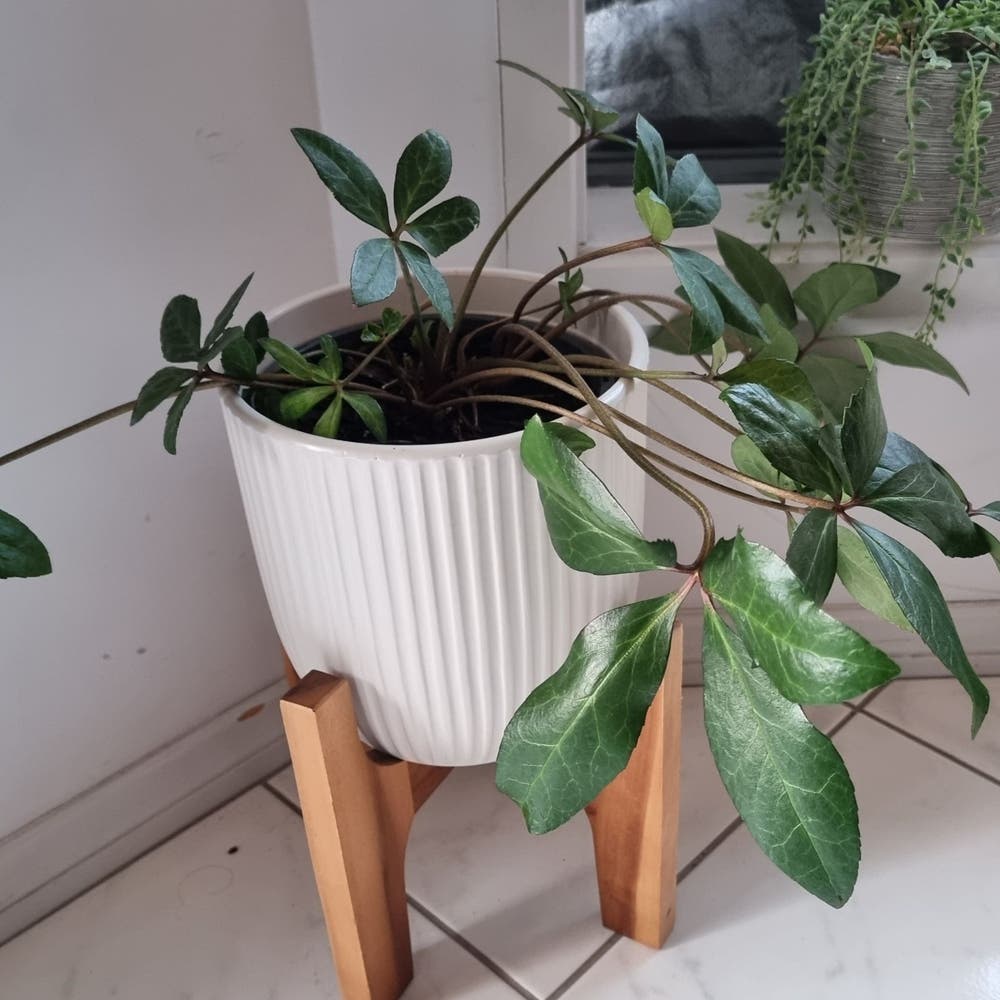
Common Lenten Rose Problems
Helleborus orientalis
By the Greg Editorial Team
Jun 18, 2024•6 min read
This article was created with the help of AI so we can cover more plants for you. May contain errors. See one? Report it here.
Revive your Lenten Rose and prevent future woes with this lifesaving plant care guide. 🌿🚑
- Wilting and yellowing indicate stress or disease; stunted growth suggests root issues.
- Lack of flowering may be due to nutritional deficits or environmental factors.
- Overwatering and underwatering can both lead to a wilted, distressed Lenten Rose.
When Your Lenten Rose is Giving SOS Signals
🚨 Wilting, Yellowing, and Stunted Growth
Wilting and yellowing leaves on your Lenten Rose are red flags. These symptoms often point to environmental stress or disease. Stunted growth can indicate a deeper issue, possibly with the roots.
Immediate action is crucial. Inspect the plant for signs of disease like the black death virus, indicated by black streaks on the foliage. If present, remove the affected plant to prevent spread. For general yellowing, consider trimming away affected leaves to promote new growth.
Lack of Flowering
A Lenten Rose that won't bloom can be frustrating. Often, this is a sign of nutritional deficiency or environmental stress.
To kick-start blooming, apply a light dose of fertilizer or compost in early spring. Ensure the plant isn't rootbound, particularly if it's in a container. For plants in the ground, proper spacing and soil moisture are key to preventing fungal diseases that can inhibit flowering.

Water Woes: Too Much or Too Little
💧 Overwatering Blues
Drowning your Lenten Rose is easier than you might think. Soggy soil, yellow leaves, and a general look of despair are the plant's way of waving a white flag. If the pot feels like you're hoisting a kettlebell, it's time to intervene.
Rescue tips for your waterlogged Lenten Rose start with halting all watering. Let the soil dry out. Mushy roots mean it's time for surgery—snip the rot away. Repot with a well-draining mix, and remember, only water when the top inch of soil is dry.
🏜️ Underwatering Dilemmas
Crispy leaves and a wilted demeanor scream thirsty Lenten Rose. If the soil is as dry as a bone, your plant's in a drought. Blooms holding tighter than a miser's fist? Another red flag.
Hydration strategies include a thorough yet gentle watering. Let the water seep down to the roots, don't flood the scene. Keep the soil moist, not drenched. If your plant's drying out faster than a gossip in a small town, consider repotting to a container with less drainage.

Light and Temperature Tango
🌞 Finding the Sweet Spot for Sunlight
Lenten Roses are shade aficionados, thriving in conditions that mimic their native woodland habitats. Too much direct sunlight can lead to leaf scorch, while insufficient light causes leggy growth and sparse blooms.
Signs of Light Stress
Brown edges on leaves suggest too much sun, while elongated stems indicate too little.
🌿 Optimizing Light Exposure
To strike the right balance, place your Lenten Rose in dappled shade or a spot with morning sun and afternoon shade. If indoor lighting is your game, a north-facing window or a grow light can provide the consistent, gentle illumination they crave.
Keeping the Chill at Bay
Lenten Roses are winter warriors, but they have their limits. They prefer temperatures that hover between 60°F and 75°F during the growing season, with a slight dip in the winter.
Temperature Tips
Frosty drafts and sudden temperature swings are no-nos. If you're growing them indoors, keep them away from heaters and drafty windows. Outdoors, a layer of mulch can help insulate the roots from sudden cold snaps.
Ideal Temperature Ranges
Aim to maintain a consistent temperature range, avoiding extremes. If the mercury dips below 55°F, consider protective measures like covering outdoor plants or moving potted ones to a sheltered spot. During heatwaves, ensure they have plenty of shade and hydration to keep cool.

Battling Pests and Pathogens
🐛 Common Critters: Aphids and Slugs
Aphids and slugs are like uninvited guests to your Lenten Rose party. Aphids suck the life out of your plants, leaving them weakened and susceptible to disease. To evict these pests, blast them with a water hose or introduce their natural enemies: ladybugs and lacewings. For slugs, it's a bit more personal; handpick these slimy party crashers at dusk or dawn, or set up a beer trap to lure and capture them. Remember, cleanliness is next to pestlessness, so keep the garden tidy to minimize their hangouts.
🍄 Fungal Foes: Mold and Mildew
Fungal issues are the silent assassins of the plant world, and your Lenten Rose isn't immune. Mold and mildew thrive in the cool, damp corners of your garden. To catch these culprits, look for discolored patches or a powdery residue. Prevention is key: space your plants for good air circulation and avoid overhead watering like it's a bad habit. If fungus has already gatecrashed, remove affected areas and apply a fungicide—think of it as the bouncer at the door of your garden party.
Special Care for Special Issues
🌞 The Scorch of the Leaves
Leaf scorch in Lenten Roses often manifests as brown, crispy patches on foliage, a clear distress call for help. It's typically a sign that your plant is either getting too much direct sunlight or suffering from some other form of environmental stress.
Recognizing Leaf Scorch
The telltale signs of leaf scorch are hard to miss: crispy, brown edges on leaves that seem to crave a break from the harsh rays of the sun. It's like your plant is waving a little white flag, begging for some shade.
Prevention and Treatment
To prevent future flare-ups, position your Lenten Rose where it can bask in bright, but indirect light. If scorch marks have already made an appearance, trim the damaged leaves to prevent further stress. Mulching can help conserve soil moisture and protect the roots from temperature extremes, which can also contribute to leaf scorch. And remember, a well-timed drink can work wonders, but don't drown the poor thing—overwatering can lead to a whole other set of problems.
💧 The Dreaded Root Rot
Root rot is like the boogeyman of the plant world—it lurks beneath the surface, ready to turn your Lenten Rose's roots into a mushy mess. It's often a consequence of overwatering or poor drainage, and it's a serious issue that needs immediate attention.
Spotting Root Rot Early
Keep an eye out for wilting leaves or a general look of despair in your Lenten Rose. If you suspect root rot, it's time to play detective—gently remove the plant from its pot and take a look at the roots. Healthy roots should be firm and white, not brown and squishy.
Salvage Steps
Caught early, you can fight back against root rot. Remove the plant from its soggy abode, trim away the rotten roots with clean shears, and repot in fresh, well-draining soil. Make sure your pot has proper drainage holes because nobody likes wet feet, especially not your Lenten Rose. And ease up on the watering—your plant will thank you for it.
⚠️ Safety First
This content is for general information and may contain errors, omissions, or outdated details. It is not medical, veterinary advice, or an endorsement of therapeutic claims.
Always consult a qualified healthcare professional before using any plant as food, medicine, or supplement.
Never eat any plant (or feed one to pets) without confirming its identity with at least two trusted sources.
If you suspect poisoning, call Poison Control (800) 222-1222, the Pet Poison Helpline (800) 213-6680, or your local emergency service immediately.
Spotted an error? Please report it here.
Banish your Lenten Rose's gloom 🌧 with Greg's tailored care reminders, ensuring it flourishes in just the right shade and moisture it craves.