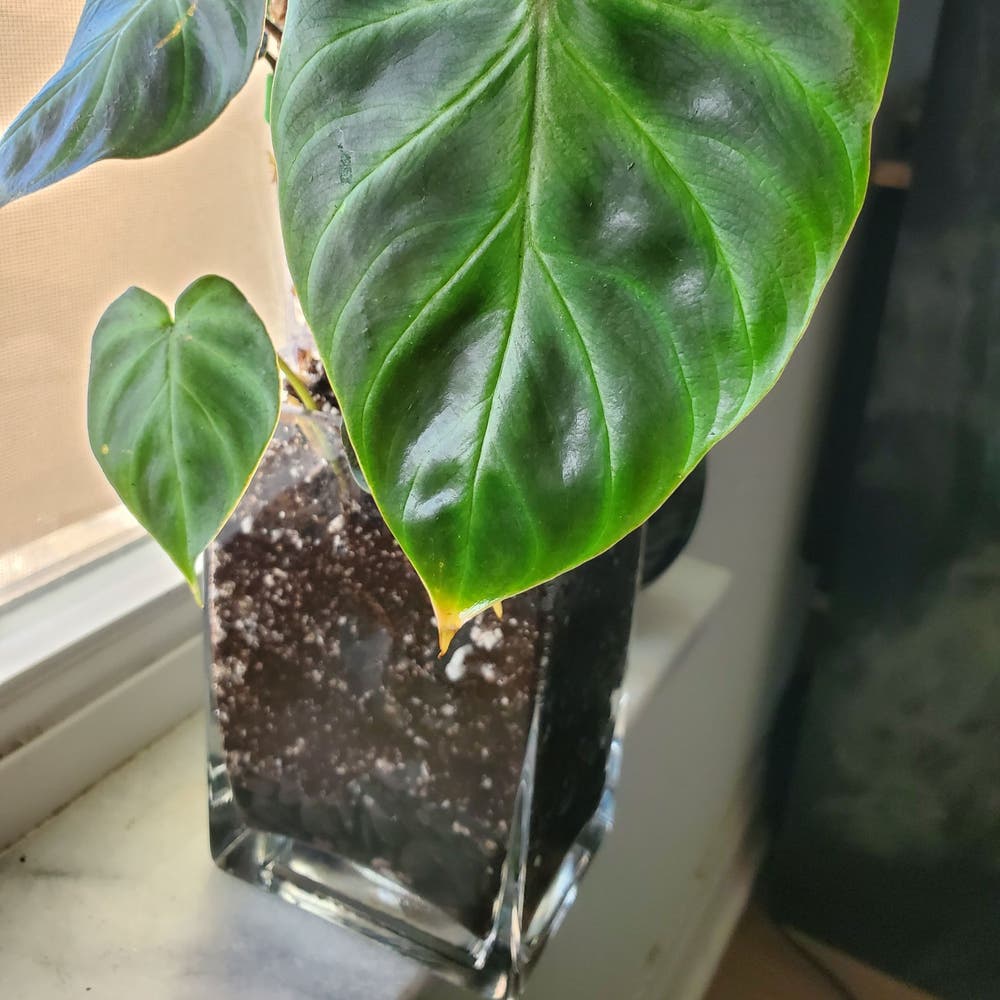
9 Tips for Growing Ecuador Philodendron Outdoors ☀️
Philodendron verrucosum
By the Greg Editorial Team
Sep 30, 2024•6 min read
This article was created with the help of AI so we can cover more plants for you. May contain errors. See one? Report it here.
- 🌞 Ecuador Philodendron thrives in bright, indirect light; too much sun causes leaf burn.
- 💧 Consistently moist, well-draining soil is vital; avoid soggy conditions to prevent root rot.
- 🌱 Monitor for pests and diseases regularly to maintain plant health and prevent stress.
Outdoor Care Requirements
🌞 Sunlight Needs and Ideal Exposure
Ecuador Philodendron thrives in bright, indirect light. While it can tolerate some direct sunlight, too much can lead to unsightly leaf burn.
For optimal growth, place your plant near trees or structures that provide filtered light. This setup mimics its natural habitat, allowing it to flourish.
💧 Watering Requirements and Frequency
Keeping the soil consistently moist is crucial for your Ecuador Philodendron. However, avoid soggy conditions, as this can lead to root rot.
Water your plant every 1-2 weeks, adjusting based on rainfall and humidity levels. Watch for signs of overwatering, such as yellowing leaves, to ensure your plant stays healthy.
🌱 Soil Preferences and Amendments
Ecuador Philodendron prefers well-draining soil rich in organic matter. This type of soil supports robust growth and prevents waterlogging.
To enhance soil quality, consider adding compost, peat moss, and perlite. Aim for a soil pH range of 6.0 to 7.0, which is slightly acidic to neutral, for optimal health.
Understanding these outdoor care requirements will set you on the right path for nurturing your Ecuador Philodendron. Next, let’s explore the various planting options available for this beautiful plant.
Planting Options
Benefits and Drawbacks of Container Planting 🌱
Container planting offers remarkable mobility. You can easily reposition your Ecuador Philodendron to capture optimal sunlight or shield it from harsh weather.
This method allows for control over soil quality and drainage. You can customize the mix to suit your plant's needs. However, limited root space can restrict growth, making it essential to choose an appropriately sized container.
Additionally, containers tend to dry out faster, leading to an increased watering frequency. Be prepared to check moisture levels regularly to keep your plant thriving.
Benefits and Drawbacks of Planting in the Ground 🌍
Planting your Ecuador Philodendron in the ground provides more space for root development. This can lead to a healthier, more robust plant as it establishes itself.
Ground planting also offers better moisture retention. The surrounding soil can help maintain consistent moisture levels, reducing the need for frequent watering.
On the downside, you have less control over soil quality and drainage. The existing soil may not be ideal, requiring amendments to support your plant's growth.
Moreover, ground-planted Philodendrons are more vulnerable to pests and diseases. Regular inspections and preventive measures become crucial to keep your plant healthy.
Understanding these options will help you make an informed decision about the best planting method for your Ecuador Philodendron. Next, let’s explore how to protect your plant from environmental factors.
Protection from Environmental Factors
🌩️ Weather Protection Strategies for Extreme Conditions
Ecuador Philodendron thrives best when shielded from harsh weather. For frost protection, consider using frost cloths or moving containers indoors during cold snaps.
During extreme heat, providing shade can prevent leaf scorch. Position your plants near structures or use shade cloths to create a cooler microclimate.
Wind can be detrimental, especially for young plants. Utilize barriers or plant near existing windbreaks to minimize damage and stress.
🐛 Common Outdoor Pests and How to Manage Them
Outdoor pests can pose a significant threat to your Ecuador Philodendron. Common culprits include aphids, spider mites, and mealybugs.
To manage these pests effectively, consider using neem oil or insecticidal soap. Regular inspections are crucial for early detection and intervention, ensuring your plants remain healthy.
🦠 Diseases Affecting Ecuador Philodendron and Prevention Methods
Diseases can hinder the growth of your Ecuador Philodendron. Root rot and leaf spot are among the most common issues.
Prevent these diseases by employing proper watering techniques and ensuring good air circulation around your plants. Watch for signs like wilting, discoloration, or unusual leaf drop, as these can indicate underlying problems.
With these protective measures in place, your Ecuador Philodendron will be better equipped to thrive outdoors. Next, let's explore how seasonal changes impact care for your plant.
Seasonal Care
🌱 Seasonal Changes and Their Impact on Care
Spring marks the active growth period for your Ecuador Philodendron. This is the time to increase watering and fertilization to support its vibrant growth.
As summer rolls in, keep a close eye on pests and ensure your plant has adequate moisture. The heat can stress your plant, so regular checks are essential.
When fall arrives, prepare for cooler temperatures by reducing watering. This helps your plant acclimate to the changing environment.
Winter requires special attention; protect your Philodendron from frost and limit fertilization. This is a time for the plant to rest and recharge.
🗓️ Fertilization Schedule and Tips for Different Seasons
During spring and summer, feed your Ecuador Philodendron monthly with a balanced fertilizer. This boosts growth and keeps it healthy.
In the fall, reduce the frequency of fertilization. Focus on maintaining the plant's health as it prepares for dormancy.
Come winter, skip fertilization altogether. Allow your plant to rest and conserve energy during this colder season.
🌍 Special Considerations for Different Climate Zones
In tropical zones, your Ecuador Philodendron can thrive year-round with minimal protection. The warm climate supports continuous growth.
For those in temperate zones, seasonal adjustments are crucial. Ensure frost protection is in place to safeguard your plant during colder months.
If you live in dry climates, your Philodendron will need increased humidity. Consider misting to create a more favorable environment for growth.
With these seasonal care tips, your Ecuador Philodendron will flourish throughout the year. Next, let’s explore advanced care techniques to keep your plant in top shape.
Advanced Care Techniques
Pruning and Maintenance Tips ✂️
Pruning your Ecuador Philodendron is essential for its health and shape. The best time to prune is early spring, as this encourages new growth.
Focus on removing dead or yellowing leaves to promote vitality. Additionally, trim any leggy growth to maintain a bushy appearance.
For effective pruning, always use clean, sharp pruning shears. This ensures clean cuts and minimizes the risk of disease.
Troubleshooting Common Problems 🛠️
If you notice yellowing leaves, it may be a sign of overwatering or nutrient deficiencies. Check your watering schedule and consider adjusting your fertilization routine.
Stunted growth can indicate inadequate light conditions or poor soil quality. Assess these factors to help your plant thrive.
Leaf drop is another common issue, often linked to watering practices or environmental stress. Evaluate your care routine to identify potential causes.
Myth-Busting Misconceptions About Care 🧐
Many believe that philodendrons are low-maintenance plants, but they actually require specific care. Understanding their unique needs is crucial for successful growth.
One common misconception is that they thrive in direct sunlight. In reality, they prefer bright, indirect light for optimal health.
Recognizing these myths helps you provide the right environment for your Ecuador Philodendron. With the right knowledge, you can ensure your plant flourishes beautifully.
As you dive deeper into advanced care techniques, you'll be better equipped to nurture your plant through various challenges. Next, let’s explore seasonal care to keep your Ecuador Philodendron thriving year-round.
⚠️ Safety First
This content is for general information and may contain errors, omissions, or outdated details. It is not medical, veterinary advice, or an endorsement of therapeutic claims.
Always consult a qualified healthcare professional before using any plant as food, medicine, or supplement.
Never eat any plant (or feed one to pets) without confirming its identity with at least two trusted sources.
If you suspect poisoning, call Poison Control (800) 222-1222, the Pet Poison Helpline (800) 213-6680, or your local emergency service immediately.
Spotted an error? Please report it here.
Transform your outdoor space with a thriving Ecuador Philodendron 🌿 by using Greg's tailored watering alerts and pest management tips to keep your plant healthy all year round!