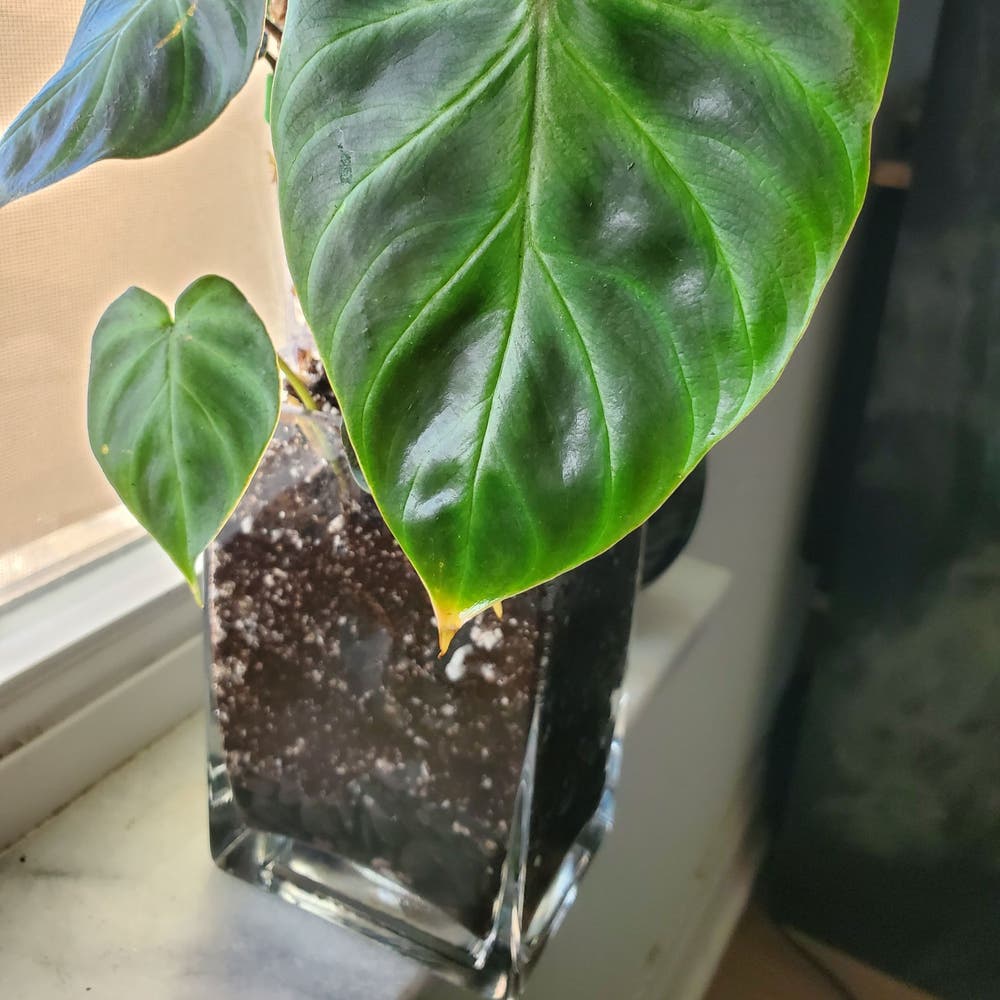
🌱 Propagating Magnificent Philodendron: The Ultimate Guide
Philodendron verrucosum
By the Greg Editorial Team
Oct 04, 2024•5 min read
This article was created with the help of AI so we can cover more plants for you. May contain errors. See one? Report it here.
- 🌱 Use 4-6 inch cuttings with nodes for successful Magnificent Philodendron propagation.
- 💧 Change water every 1-2 weeks for effective water propagation.
- 🌞 Provide bright, indirect light and high humidity for optimal growth.
Stem Cuttings
🌱 Selecting the Right Cutting
To start propagating your Magnificent Philodendron, choose a cutting that is 4-6 inches long. Look for vibrant, green stems free from disease, and ensure your cutting includes at least one node, as this is crucial for root development.
✂️ Preparing the Cutting
You'll need clean, sharp scissors or pruning shears for this task. Follow these steps to prepare your cutting:
- Make a clean cut just below a node.
- Remove the lower leaves to prevent rot.
- Optionally, dip the cut end in rooting hormone to boost your success rate.
💧 Water vs. Soil Propagation
Water Propagation
For water propagation, select a clear glass or jar to easily monitor root growth. Submerge the node in water while keeping the leaves above the surface, and remember to change the water every 1-2 weeks to avoid stagnation.
Soil Propagation
If you prefer soil propagation, use a well-draining potting mix. Insert the cutting into the soil up to the node and keep the soil consistently moist but not soggy for the best results.
👀 Monitoring Growth
Watch for signs of successful rooting, such as new leaf growth and root development. Typically, you can expect roots to form in 2-4 weeks for water propagation and 4-6 weeks for soil propagation.
With these steps, you're well on your way to successfully propagating your Magnificent Philodendron. Next, let’s explore node propagation, another effective method for expanding your plant collection.
Node Propagation
🌱 Identifying Nodes
Nodes are the vital points on a stem where leaves and roots can sprout. Understanding their role is essential, as they are crucial for successful root formation during propagation.
✂️ Preparing Nodes for Propagation
To prepare nodes for propagation, use a sharp tool to make a clean cut just below the node. Ensure that the node remains intact and healthy to maximize your chances of success.
📈 Best Practices for Node Propagation
Keeping the medium consistently moist is key to encouraging root growth.
💡 Light Conditions
Provide bright, indirect light to help your nodes thrive.
⏳ Patience is Key
Remember, roots may take several weeks to develop, so patience is essential during this process.
With these practices in mind, you’re well on your way to successful node propagation. Next, let’s explore air layering, another effective method for propagating your Magnificent Philodendron.
Air Layering
🌱 What is Air Layering?
Air layering is a fascinating propagation method that encourages roots to form on a stem while it remains attached to the parent plant. This technique is particularly effective because it allows you to produce a mature plant faster than other methods.
🛠️ Step-by-Step Air Layering Process
- Select a healthy stem with aerial roots.
- Make a small upward cut about one-third through the stem.
- Wrap the cut area with moist sphagnum moss.
- Cover the moss with plastic wrap to retain moisture.
- Secure with tape or string to keep everything in place.
⏰ Timing and Conditions for Success
The best time for air layering is during spring or early summer when the plant is actively growing. Warm and humid conditions are ideal for root development, so keep an eye on your environment to ensure success.
Air layering can be a rewarding experience, providing you with a thriving new plant. As you embark on this journey, remember to monitor the conditions closely for the best results. Next, we’ll explore common challenges you might face during propagation.
Common Challenges in Propagation
🐛 Pests and Diseases
Pests can be a real headache when propagating Magnificent Philodendron. Common culprits include aphids, spider mites, and mealybugs.
Look out for signs of infestation, such as wilting leaves, sticky residue, or visible insects. Regular inspections and maintaining overall plant health are key prevention methods.
🌧️ Environmental Factors
Humidity plays a crucial role in the success of your propagation efforts. Magnificent Philodendron thrives in high humidity, ideally around 60% or higher.
Temperature is also important; aim for a range between 65°F to 85°F (18°C to 29°C) for optimal growth.
🛠️ Troubleshooting Failed Propagation
Sometimes, despite your best efforts, propagation can fail. Signs of trouble include yellowing leaves, lack of root growth, or rotting cuttings.
If you encounter these issues, consider adjusting your watering practices, improving light conditions, or checking for pests. With a little troubleshooting, you can get back on track!
Transitioning to the next section, let’s explore how to care for your new plants post-propagation.
Post-Propagation Care
Transitioning New Plants 🌱
Acclimatizing your newly propagated plants is crucial for their survival. Gradually introduce them to their permanent location to minimize shock.
Monitor your plants closely during this transition. Look for signs of stress, such as wilting or discoloration, to address any issues promptly.
Encouraging Growth After Propagation 🌿
Once roots are established, it's time to give your plants a boost. Use a diluted balanced fertilizer to encourage healthy growth.
Ensure your plants receive bright, indirect light. This optimal lighting will help them thrive and flourish.
Long-term Care for Propagated Plants 🌼
Establishing a consistent watering schedule is key. Allow the top inch of soil to dry out between waterings to prevent overwatering.
Consider repotting your plants every 1-2 years. This refreshes the soil and promotes continued growth, ensuring your Magnificent Philodendron remains vibrant and healthy.
With these care tips, your propagated plants will not only survive but thrive, setting the stage for a lush indoor garden.
⚠️ Safety First
This content is for general information and may contain errors, omissions, or outdated details. It is not medical, veterinary advice, or an endorsement of therapeutic claims.
Always consult a qualified healthcare professional before using any plant as food, medicine, or supplement.
Never eat any plant (or feed one to pets) without confirming its identity with at least two trusted sources.
If you suspect poisoning, call Poison Control (800) 222-1222, the Pet Poison Helpline (800) 213-6680, or your local emergency service immediately.
Spotted an error? Please report it here.
Propagating your Magnificent Philodendron is a breeze 🌱 with Greg's tailored reminders and expert tips to help your cuttings thrive into stunning new plants!