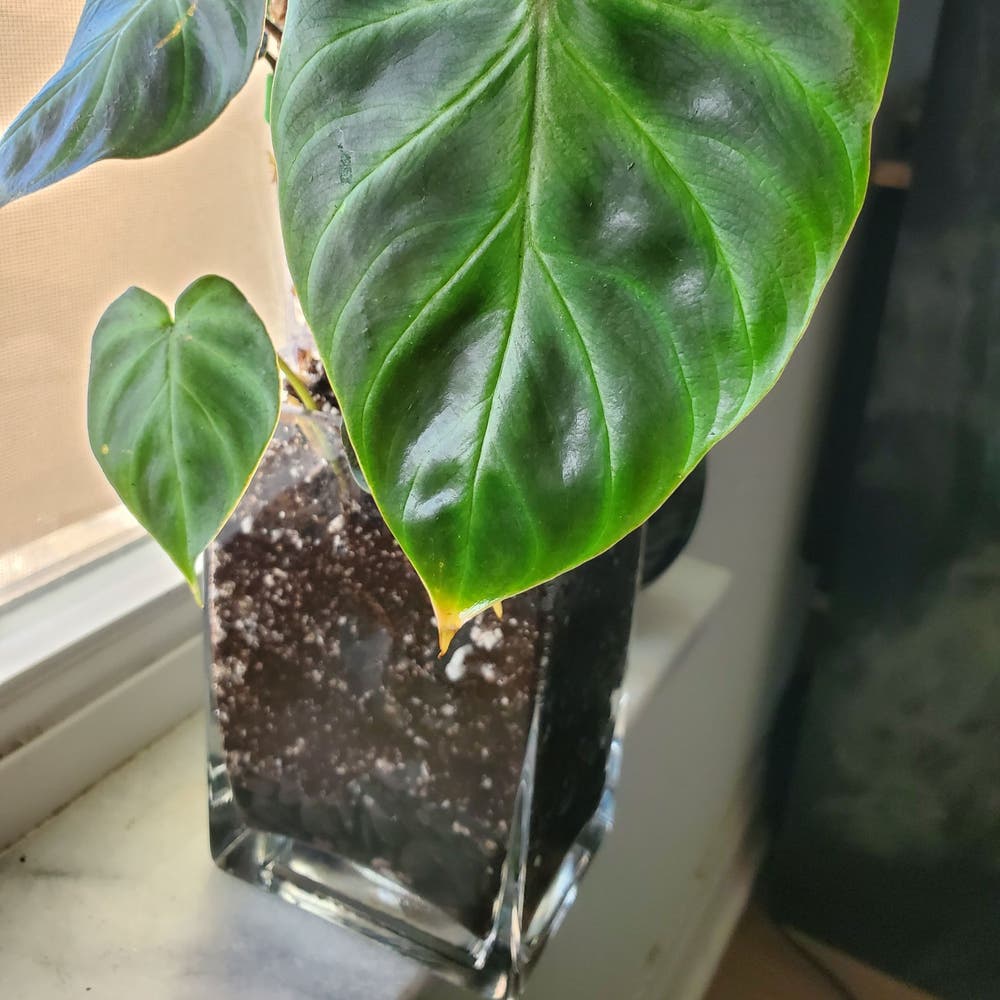
🍃 How to Cure Yellow Leaves on Your Philodendron
Philodendron verrucosum
By the Greg Editorial Team
Oct 04, 2024•5 min read
This article was created with the help of AI so we can cover more plants for you. May contain errors. See one? Report it here.
- 🌱 Yellow leaves indicate issues like overwatering, underwatering, or nutrient deficiencies.
- 💧 Consistent moisture and well-draining soil are essential for healthy philodendrons.
- 🔍 Regular pest inspections help prevent yellowing caused by spider mites and aphids.
Causes of Yellow Leaves
💧 Overwatering and Its Effects
Overwatering is a common culprit behind yellow leaves on your philodendron. Symptoms include yellowing leaves, wilting, and even root rot.
Well-draining soil is crucial to prevent water accumulation. If you notice a foul smell, mushy roots, or stunted growth, these are clear signs of root rot.
🚰 Underwatering and Its Symptoms
On the flip side, underwatering can also lead to yellowing leaves. Look for crispy leaf edges and drooping as indicators of this issue.
Maintaining consistent moisture levels is essential for optimal growth. Signs of underwatering include dry soil, wilting, and leaf drop.
🌱 Nutrient Deficiencies
Nitrogen Deficiency
Nitrogen deficiency manifests as general yellowing of older leaves and stunted growth. This nutrient is vital for leaf development and overall plant health.
Without sufficient nitrogen, your philodendron may struggle to thrive.
Iron Deficiency
Iron deficiency presents differently, with yellowing occurring between leaf veins while the veins themselves remain green. Iron is crucial for chlorophyll production and photosynthesis.
A lack of iron can hinder your plant's ability to absorb sunlight effectively.
🐜 Pest Infestations
Spider Mites
Spider mites can wreak havoc on your philodendron, causing fine webbing, stippled leaves, and yellowing. Regular inspections are key for early detection.
Catching these pests early can save your plant from significant damage.
Aphids
Aphids are another pest to watch out for, leaving a sticky residue on leaves, curling them, and causing yellowing. Effective pest control is essential for maintaining your plant's health.
Being proactive about pest management can prevent larger infestations down the line.
Understanding these causes will help you diagnose and treat yellow leaves effectively. Next, we'll explore how to diagnose the specific issues affecting your philodendron.
Diagnosing Yellow Leaves
🌼 Identifying the Type of Yellowing
Whole Leaf Yellowing
Whole leaf yellowing is often a red flag. It typically indicates systemic issues, such as overwatering or nutrient deficiencies.
Tip Yellowing
In contrast, tip yellowing usually points to underwatering or a nutrient imbalance. Recognizing these patterns is crucial for effective treatment.
💧 Assessing Soil Moisture Levels
To diagnose yellow leaves accurately, assessing soil moisture is essential. Use techniques like the finger test or a moisture meter to gauge the soil's condition.
Maintaining consistent moisture without waterlogging is vital for your plant's health. This balance helps prevent further yellowing.
🐛 Checking for Pests and Diseases
Regular visual inspections can reveal hidden pests or diseases. Look closely at the undersides of leaves and stems for any signs of trouble.
Early detection is key for effective treatment. Catching issues before they escalate can save your plant from significant damage.
☀️ Evaluating Light Exposure
Light exposure plays a significant role in leaf health. Ideally, your philodendron should bask in bright, indirect light.
If your plant is not getting enough light, you may notice yellowing leaves and leggy growth. Adjusting its position can make a world of difference.
Understanding these diagnostic steps will empower you to tackle yellow leaves effectively. Next, let’s explore treatment options to restore your magnificent philodendron to its vibrant glory.
Treatment for Yellow Leaves
🌊 Adjusting Watering Practices
To tackle yellow leaves, start by determining your current watering schedule. Adjust the frequency based on soil moisture levels to ensure your Philodendron thrives.
Using well-draining pots is crucial to prevent water accumulation. This simple change can make a world of difference in your plant's health.
🌱 Fertilizing for Nutrient Deficiencies
Next, identify the type of nutrient deficiency affecting your plant—either nitrogen or iron.
Choose the appropriate fertilizer, such as a balanced NPK for nitrogen or iron chelate for iron deficiencies. Follow package instructions, typically applying every 4-6 weeks during the growing season for optimal results.
🐛 Pest Control Methods
Insecticidal Soap
For pest issues, insecticidal soap is your go-to solution. Spray it directly on the pests and repeat weekly until the problem is resolved.
Thorough coverage is essential for effectiveness, so don’t skimp on the application.
Neem Oil
Another effective option is neem oil. Mix it with water and spray it on the affected areas of your plant.
This natural pesticide not only combats pests but also offers antifungal properties, making it a dual-action solution.
🌧️ Improving Soil Drainage
To enhance soil drainage, first assess your current soil mix. Ensure it includes perlite or sand for better aeration.
If necessary, repot your Philodendron using a well-draining potting mix. This step can significantly improve your plant's overall health and vitality.
By implementing these treatment strategies, you can revive your magnificent Philodendron and enjoy its lush greenery once again. Next, let’s explore how to prevent yellow leaves from becoming a recurring issue.
Preventing Yellow Leaves
💧 Best Practices for Watering
To keep your philodendron thriving, allow the top inch of soil to dry out before watering. This simple practice helps maintain consistent moisture without the risk of overwatering.
🌞 Optimal Light Conditions
Position your plant near east or north-facing windows to provide bright, indirect light. Don't forget to rotate your philodendron regularly for even light exposure, promoting balanced growth.
🌱 Regular Fertilization Schedule
Fertilize your plant every 4-6 weeks during the growing season to ensure it receives essential nutrients. Using a balanced fertilizer can prevent deficiencies that lead to yellowing leaves.
🐛 Monitoring for Pests and Diseases
Conduct weekly inspections to check for signs of pests or diseases. Staying proactive about your plant's health can make a significant difference in its vitality and appearance.
By following these preventive measures, you can enjoy a lush, vibrant philodendron free from the worry of yellow leaves. Next, let’s dive into effective treatment methods if you do encounter yellowing.
⚠️ Safety First
This content is for general information and may contain errors, omissions, or outdated details. It is not medical, veterinary advice, or an endorsement of therapeutic claims.
Always consult a qualified healthcare professional before using any plant as food, medicine, or supplement.
Never eat any plant (or feed one to pets) without confirming its identity with at least two trusted sources.
If you suspect poisoning, call Poison Control (800) 222-1222, the Pet Poison Helpline (800) 213-6680, or your local emergency service immediately.
Spotted an error? Please report it here.
Transform those yellow leaves into vibrant green ones 🌿 by using Greg's tailored watering reminders and nutrient tips to keep your philodendron thriving!