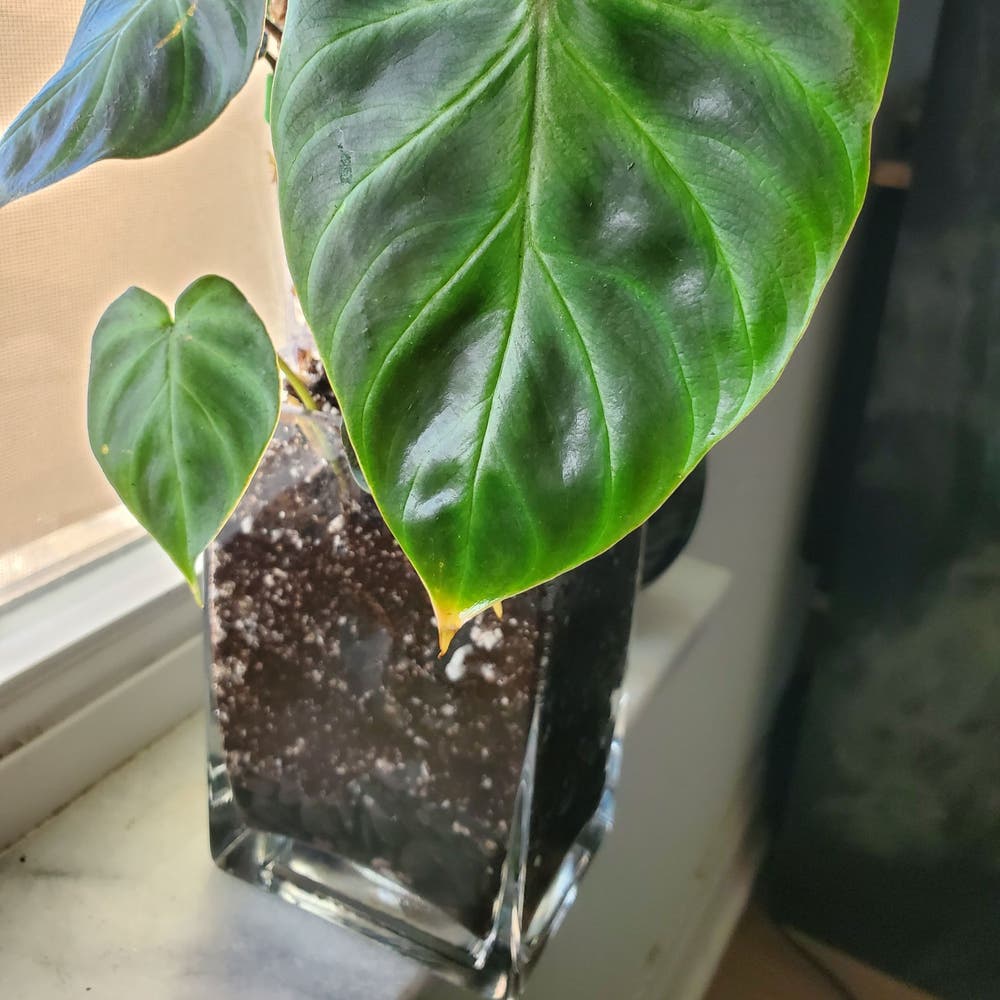
🌼 7 Do's and Don'ts of Growing Ecuador Philodendron
Philodendron verrucosum
By the Greg Editorial Team
Sep 30, 2024•6 min read
This article was created with the help of AI so we can cover more plants for you. May contain errors. See one? Report it here.
- 🌞 Ecuador Philodendron needs bright, indirect sunlight; avoid direct sun to prevent leaf scorch.
- 🌡️💧 Maintain 65°F-80°F temperatures and 50% humidity for optimal growth conditions.
- 🌱 Use well-draining soil and pots with drainage holes to prevent root rot.
Choosing a Location
🌞 Light Requirements (Indoor vs. Outdoor)
Ecuador Philodendron thrives in bright, indirect sunlight indoors. Direct sun exposure can scorch its leaves, so it's best to keep it away from harsh rays.
Outdoors, this plant prefers partial shade or filtered sunlight. Positioning it under taller plants or trees can provide the perfect balance of light and protection.
🌡️ Temperature and Humidity Preferences
The ideal temperature range for your Ecuador Philodendron is between 65°F to 80°F (18°C to 27°C). Keeping it within this range will promote healthy growth.
Humidity is equally important; aim for levels of 50% or more. If your home is dry, consider using a humidifier or placing a pebble tray filled with water nearby to boost moisture.
🌱 Ideal Placement for Optimal Growth
For indoor placement, position your plant near east or west-facing windows. This will ensure it receives the right amount of light without the risk of burning.
When planting outdoors, find a spot under the canopy of taller plants or trees. This setup provides the filtered light that your Ecuador Philodendron craves for optimal growth.
With the right location secured, your plant will be well on its way to thriving. Next, let’s dive into soil preparation to set the foundation for its success.
Soil Preparation
Best Soil Types 🌱
For your Ecuador Philodendron, a well-draining potting mix enriched with organic matter is essential. A recommended blend consists of 50% potting soil, 25% perlite, and 25% peat moss.
Importance of Drainage 🚰
Proper drainage is crucial to prevent root rot, a common issue in Philodendron care. Always ensure your pots have drainage holes, and consider adding gravel at the bottom for extra protection.
Soil Amendments and pH Considerations ⚗️
Aim for a soil pH range of 5.5 to 7.0 for optimal growth. To boost nutrients, incorporate compost or worm castings into your mix, providing your plant with the nourishment it craves.
With the right soil preparation, your Ecuador Philodendron will thrive, setting the stage for successful planting techniques.
Planting Techniques
Step-by-Step Instructions 🌱
Planting your Ecuador Philodendron is straightforward. Start by choosing a suitable pot or planting site.
Next, prepare your soil mix as previously described.
Dig a hole or fill your pot with the prepared soil, ensuring it's ready for your plant.
Place the plant in the hole or pot, making sure the root ball is level with the soil surface.
Fill in around the roots with soil and water thoroughly to settle everything in.
Container vs. Ground Planting 🪴
When deciding between container and ground planting, consider your needs.
Container planting allows for easier control of soil conditions and mobility, making it ideal for those who like to rearrange their space.
On the other hand, ground planting provides more space for growth, but ensure the soil drains well to prevent issues.
Spacing and Depth Considerations 📏
For container planting, opt for a pot that is at least 12 inches deep. This depth gives the roots ample room to grow.
If you choose to plant in the ground, space your Ecuador Philodendrons 2-3 feet apart. This spacing allows each plant to thrive without overcrowding.
With these techniques in mind, you're well on your way to successfully planting your Ecuador Philodendron. Next, let’s explore how to care for your plant through proper watering and fertilizing.
Watering and Fertilizing
💧 Watering Frequency and Techniques
Watering your Ecuador Philodendron is all about timing. Check the top 1-2 inches of soil; if it feels dry, it’s time to water.
Use room temperature water to avoid shocking the plant. Cold water can stress the roots, so keep it cozy!
⚠️ Signs of Overwatering and Underwatering
Overwatering can lead to yellowing leaves and mushy roots. If you notice these signs, it’s a clear signal to adjust your watering routine.
On the flip side, underwatering shows up as wilting leaves and dry soil. Keep an eye on your plant's hydration levels to maintain its health.
🌱 Recommended Fertilizers and Feeding Schedule
Feed your Philodendron with a balanced liquid fertilizer every 4-6 weeks during the growing season. This will help it thrive and grow lush.
As the seasons change, reduce feeding in fall and winter when growth slows. Your plant will appreciate the break!
With proper watering and fertilizing, your Ecuador Philodendron will flourish beautifully. Next, let’s dive into pruning and ongoing care to keep it in top shape!
Pruning and Ongoing Care
When and How to Prune 🌿
Pruning your Ecuador Philodendron in spring is essential for encouraging bushier growth. Focus on removing dead or yellowing leaves and trimming any leggy growth to promote a fuller appearance.
Maintenance Tips for Healthy Growth 🛠️
Regularly checking for pests and diseases is crucial for your plant's health. Additionally, rotating the plant occasionally helps ensure even light exposure, preventing uneven growth.
Seasonal Care Adjustments ❄️
As winter approaches, consider increasing humidity levels around your plant. If temperatures drop significantly, moving your Philodendron indoors can help maintain its health and vitality.
With these pruning and care techniques, your Ecuador Philodendron will thrive beautifully. Next, let’s explore common challenges and solutions to keep your plant in top shape.
Common Challenges and Solutions
🐛 Identifying and Managing Pests
Pests can be a real headache for your Ecuador Philodendron. Knowing what to look for can save you a lot of trouble down the line.
Common Pests
- Spider Mites: Look for webbing and stippled leaves. These tiny pests thrive in dry conditions and can quickly damage your plant.
- Aphids: These small, green insects often cluster on new growth. They suck the sap, weakening your plant.
Control Methods
To tackle these pests, consider using insecticidal soap or neem oil. Both are effective and relatively safe for your plant.
You can also introduce beneficial insects like ladybugs. They’re natural predators and can help keep pest populations in check.
🦠 Addressing Common Diseases
Diseases can sneak up on you, but with a keen eye, you can catch them early.
Root Rot
Root rot is a common issue that can devastate your plant. Symptoms include wilting despite adequate watering and a foul smell from the soil.
To prevent this, ensure your soil is well-draining and avoid overwatering. A good rule of thumb is to let the top inch of soil dry out before watering again.
🧐 Troubleshooting Growth Issues
Sometimes, your plant may show signs of distress, like yellowing leaves. Understanding the causes can help you get back on track.
Yellowing Leaves
Yellowing leaves can indicate several issues. Possible causes include overwatering, nutrient deficiency, or insufficient light.
To remedy this, adjust your watering schedule, check soil nutrients, and optimize light conditions. A little attention can go a long way in reviving your plant.
With these tips, you can confidently tackle common challenges and keep your Ecuador Philodendron thriving. Next, let’s explore the essential practices for pruning and ongoing care to ensure your plant remains healthy and vibrant.
⚠️ Safety First
This content is for general information and may contain errors, omissions, or outdated details. It is not medical, veterinary advice, or an endorsement of therapeutic claims.
Always consult a qualified healthcare professional before using any plant as food, medicine, or supplement.
Never eat any plant (or feed one to pets) without confirming its identity with at least two trusted sources.
If you suspect poisoning, call Poison Control (800) 222-1222, the Pet Poison Helpline (800) 213-6680, or your local emergency service immediately.
Spotted an error? Please report it here.
Nurture your Ecuador Philodendron to lush perfection 🌿 with Greg's tailored care reminders and watering plans that ensure your plant thrives in its ideal environment!