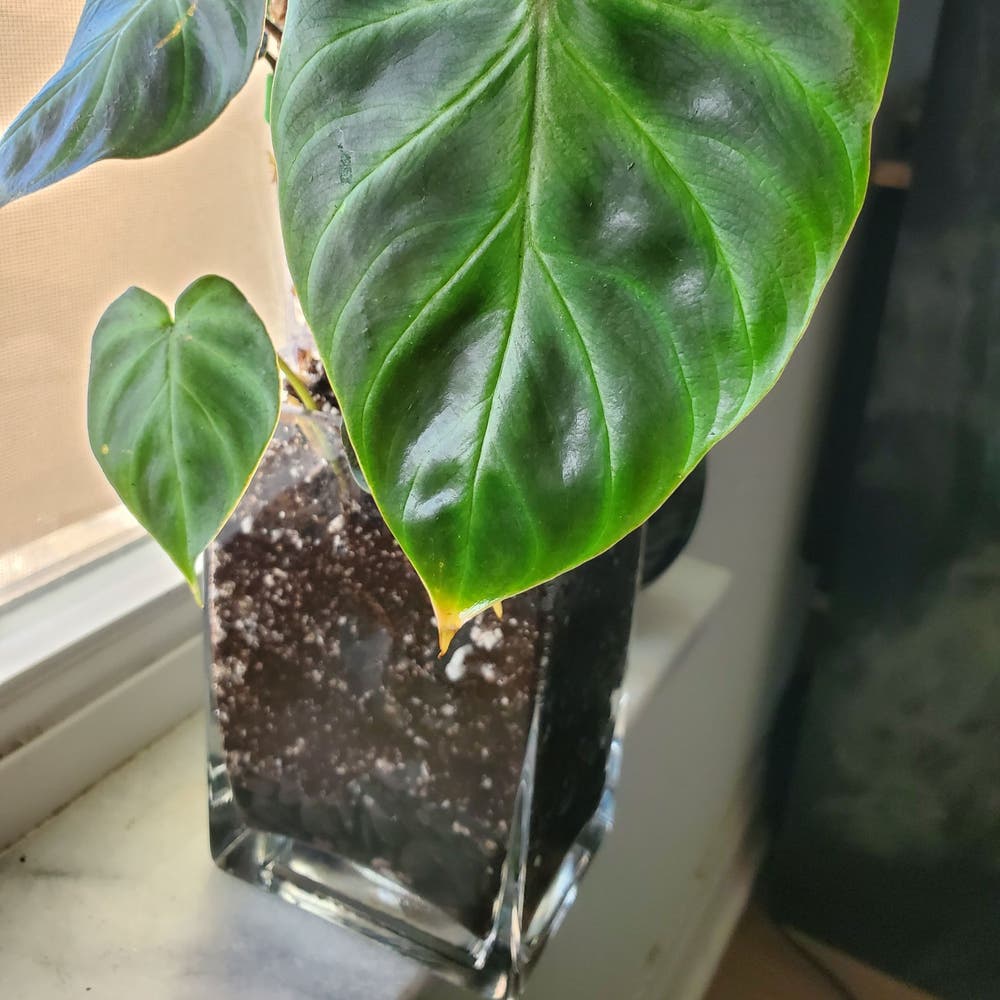
My Ecuador Philodendron's Light Requirements
Philodendron verrucosum
By the Greg Editorial Team
Jun 18, 2024•5 min read
This article was created with the help of AI so we can cover more plants for you. May contain errors. See one? Report it here.
- Bright, indirect light is ideal for a thriving Philodendron.
- 🌱 Leggy stems signal more light needed; adjust plant's position or use grow lights.
- Adequate lighting may trigger blooms in your Ecuador Philodendron.
Basking in the Right Glow: Indoor Light Perfection
🌟 Finding the Sweet Spot: Bright, Indirect Light
Bright, indirect light is like your Philodendron's favorite food—it thrives on it. Identify this light by the soft shadows it casts, without the stark contrast of direct sunlight. Your home's north or east-facing windows are prime real estate for these plants, offering the ideal balance of light without the harshness.
📍 The Best Locations
Place your Philodendron within a few feet of these windows, but avoid the intense afternoon sun of south or west-facing exposures. If you're stuck with less-than-ideal window placement, a sheer curtain can be your best friend, diffusing the light to mimic that dappled rainforest vibe.
🌱 Low Light Tolerance: Can Your Philodendron Adapt?
Your Philodendron can slum it in lower light, but it's not living its best life. Dim conditions may lead to fewer leaves, slower growth, and a less vibrant plant. If your Philodendron could talk, it would probably ask for a sunnier spot.
🚨 Signs of Light Starvation
Watch for leggy stems, smaller leaves, or an overall lackluster appearance. These are your Philodendron's way of saying, "I could use a little more light over here!" If you notice these symptoms, it's time to shuffle your plant closer to the light—just not too close. Remember, no direct sunbathing unless you want a crispy Philodendron on your hands.

Let There Be Light: Considering Grow Lights
💡 Types of Grow Lights: LED vs. Fluorescent
When it comes to grow lights for your Ecuador Philodendron, you're looking at two main contenders: LED and Fluorescent lights.
LEDs are the tech-savvy plant parent's dream—energy-efficient, long-lasting, and they don't turn your living room into a sauna. They're a bit pricier upfront, but they'll hug your electricity bill and give it a nice, big reduction over time. Plus, they're gentle enough to cozy up close to your Philodendron without causing a sunburn.
On the flip side, Fluorescent lights, like the trusty CFLs and T5s, are the budget-friendly option. They're great for a tight space and won't rack up a hefty energy bill. However, they might not be the best if you're planning to run a Philodendron jungle—they're more for the modest, small-scale indoor gardener.
🌱 Setting Up Your Grow Light System
Positioning is key. You want your grow lights to mimic the sun, without the risk of a midsummer's scorch. 12 to 24 inches above your Philodendron should do the trick—close enough to whisper sweet nothings of light but far enough to avoid cramping its style.
As for timing, think of it like a good night's sleep. Your Philodendron needs its rest, so aim for about 12 to 14 hours of light per day. It's like setting a bedtime for your green buddy—consistent and refreshing. Use a timer if you're the forgetful type; your plant will thank you for the regular schedule.

Embracing the Great Outdoors: Navigating Natural Light
🌞 Seasonal Shifts and Sunlight Intensity
As the seasons turn, your Ecuador Philodendron's sunbathing habits need to pivot. Spring and fall are your allies, offering a gentle mix of light that's just right. But when summer cranks up the heat, it's time to rethink your plant's spot. Avoid south or west-facing windows where the sun plays a bit too rough. Instead, seek out east-facing locales for a milder morning glow. Come winter, your leafy friend might crave a sunnier berth to compensate for the gloomier days.
🛡️ Protecting from the Harsh Midday Sun
Midday sun is the party crasher that can turn your Philodendron's leaves to crisps. Shielding is the game, and sheer curtains or tinted window film are your MVPs. They soften the sun's harsh rays, recreating the dappled light of the Philodendron's natural digs. If your outdoor space is turning into a solar cooker, consider a shade cloth or strategic placement under a leafy tree. Your plant will thank you by not throwing a fit in the form of brown, sunburned leaves.

Does Light Lead to Blooms?
💡 The Role of Light in Flowering
Adequate lighting is a critical player in the blooming stage of an Ecuador Philodendron. While not all Philodendrons are known for their flowers, those that do bloom require the right light conditions to do so.
💡 Quality Over Quantity
It's not just about how much light your plant gets, but the quality of that light. Bright, indirect light is the sweet spot for encouraging your Philodendron to show off its flowers.
💡 Understanding Light Intensity
Philodendrons are accustomed to the dappled light of the rainforest. Mimicking these conditions at home means providing 10,000 to 20,000 lux of light, which can trigger the flowering process.
💡 Grow Lights: A Blooming Aid
If natural light is lacking, don't fret. Grow lights can be a game-changer, offering a spectrum of light that can encourage blooms. Just remember to balance the duration and intensity to avoid light burn.
💡 Fertilizer: The Bloom Booster
While light is crucial, don't overlook the power of a balanced fertilizer. A mix rich in phosphorus can give your Philodendron the extra push it needs to start blooming.
💡 Observing Your Plant
Keep an eye out for budding signs and adjust your care routine accordingly. If your Philodendron is more leafy than flowery, it might be time to increase light exposure or tweak your fertilizing schedule.
💡 The Bottom Line
Light is indeed the maestro of the flowering symphony. Strike the right balance, and you might just be rewarded with the rare sight of an Ecuador Philodendron in bloom.
⚠️ Safety First
This content is for general information and may contain errors, omissions, or outdated details. It is not medical, veterinary advice, or an endorsement of therapeutic claims.
Always consult a qualified healthcare professional before using any plant as food, medicine, or supplement.
Never eat any plant (or feed one to pets) without confirming its identity with at least two trusted sources.
If you suspect poisoning, call Poison Control (800) 222-1222, the Pet Poison Helpline (800) 213-6680, or your local emergency service immediately.
Spotted an error? Please report it here.
Nurture your Ecuador Philodendron to flourish 🌱 with Greg's PlantVision, ensuring it basks in just the right amount of light for those lush, envy-inducing leaves.