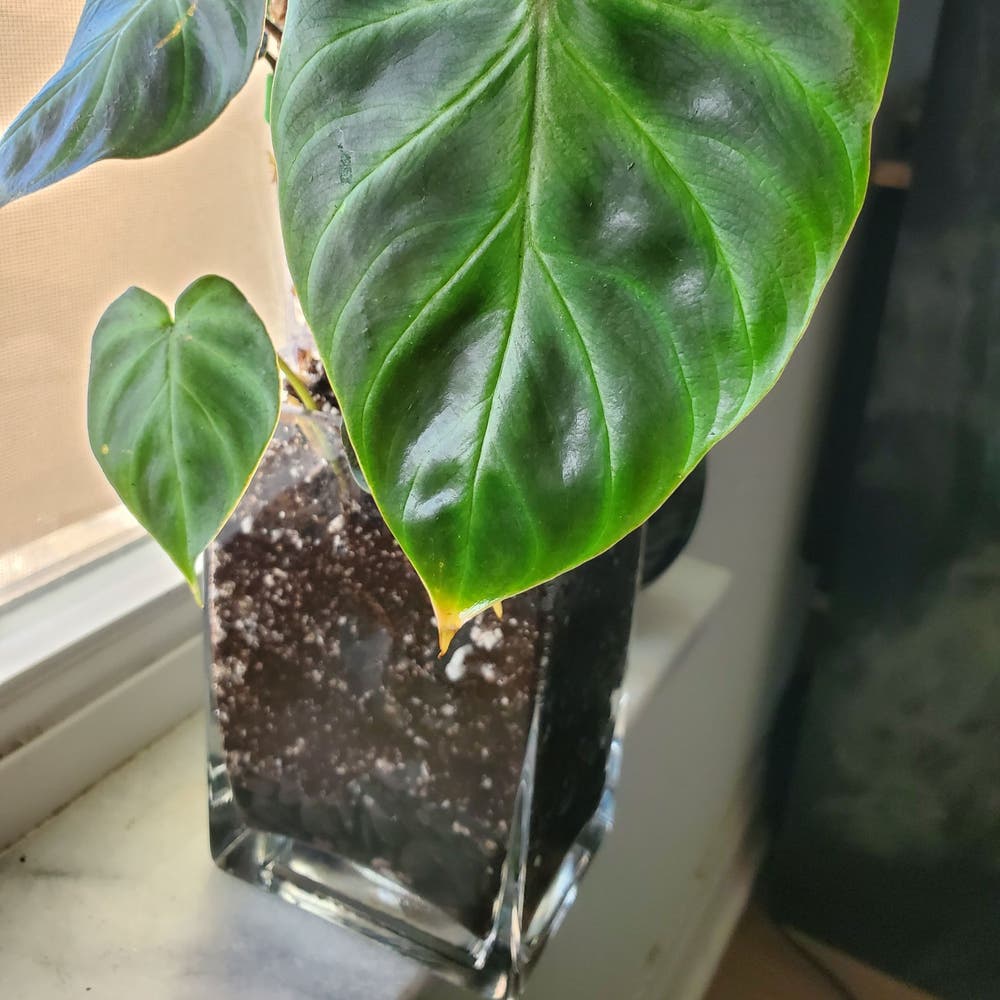
🌞 How to Grow Magnificent Philodendron Outdoors
Philodendron verrucosum
By the Greg Editorial Team
Oct 04, 2024•6 min read
This article was created with the help of AI so we can cover more plants for you. May contain errors. See one? Report it here.
- 🌞 Philodendrons need 4-6 hours of indirect sunlight for optimal growth outdoors.
- 💧 Deep watering is crucial for robust root growth and hydration in outdoor conditions.
- 🌱 Use well-draining soil with pH 5.5-7.0 to prevent root rot and ensure nutrients.
Outdoor Care Requirements
Sunlight Needs 🌞
Philodendrons thrive in optimal light conditions, balancing between full sun and partial shade. Aim for 4-6 hours of indirect sunlight daily to keep your plants healthy and vibrant.
Watering Requirements 🚰
Watering frequency depends on soil moisture and weather conditions. Implement deep watering techniques to encourage robust root growth, ensuring your philodendron gets the hydration it needs.
Soil Preferences 🌱
Well-draining soil is crucial to prevent root rot, a common issue for outdoor philodendrons. Aim for a pH level between 5.5 and 7.0 to facilitate optimal nutrient uptake, ensuring your plant remains nourished and thriving.
With these outdoor care requirements in mind, you’re well on your way to cultivating magnificent philodendrons. Next, let’s explore the various planting options available to you.
Planting Options
🌱 Container Planting
Benefits
Container planting offers remarkable mobility. You can easily shift your philodendron to capture optimal sunlight or shield it from harsh weather.
Another advantage is control over soil quality and drainage. This allows you to create the perfect environment for your plant's growth.
Drawbacks
However, container planting has its space limitations. The size of the pot can restrict your plant's growth potential.
Additionally, it often requires more frequent watering. Containers can dry out quickly, especially in warm weather.
🌍 Ground Planting
Benefits
Ground planting allows for natural growth. Your philodendron can spread out and climb, reaching its full potential.
It also benefits from soil enrichment. Access to natural soil nutrients can enhance growth and vitality.
Drawbacks
On the downside, ground planting offers less control. Your plant may become vulnerable to soil-borne pests and diseases.
Moreover, it faces weather exposure. Ground-planted philodendrons are more susceptible to extreme weather conditions.
📍 Choosing the Right Location for Planting
Sunlight Exposure
Selecting the right location is crucial. Assess areas for optimal sunlight exposure, balancing light and shade for your philodendron's needs.
Protection from Elements
Also, consider protection from elements. Avoid spots that are overly windy or exposed to harsh conditions, ensuring your plant thrives.
With the right planting option and location, your philodendron can flourish beautifully outdoors. Next, let’s dive into the essential fertilization and nutrient needs to keep your plant healthy and vibrant.
Fertilization and Nutrient Needs
🌱 Types of Fertilizers Suitable for Philodendron
When it comes to feeding your Philodendron, organic options like compost are fantastic. They enrich the soil naturally, promoting healthy growth without the risk of chemical buildup.
Well-balanced NPK fertilizers are another great choice. They provide essential nutrients—nitrogen, phosphorus, and potassium—necessary for vibrant foliage and robust root systems.
Slow-release fertilizers can also be beneficial. They gradually release nutrients over time, ensuring your plant gets a steady supply for sustained growth.
📅 Fertilization Schedule
Adjusting your fertilization schedule with the seasons is key to a thriving Philodendron. In spring and summer, when growth is most active, increase your feeding frequency.
Aim for monthly applications during the growing season. As fall and winter approach, reduce feeding to allow your plant to rest and conserve energy. This seasonal approach helps maintain a healthy balance, ensuring your Philodendron remains vibrant year-round.
With the right nutrients and a thoughtful schedule, your Philodendron will flourish beautifully outdoors. Next, let’s explore how to protect your plant from weather extremes and pesky pests.
Protection from Weather and Pests
🌨️ Weather Protection Strategies
Frost Protection
Frost can be a real threat to your outdoor philodendron. To shield your plants, use frost cloths or blankets, ensuring they cover the foliage completely.
Timing is crucial; implement these protective measures when temperatures are forecasted to drop. This proactive approach can save your plants from frost damage.
Heat Protection
Extreme heat can stress your philodendron, so consider using shade cloth to provide relief. This simple addition can help maintain a more stable temperature for your plants.
Additionally, adjust your watering routine during hot spells. Increased frequency will help keep the soil moist and your plants thriving.
🐜 Common Outdoor Pests and How to Manage Them
Aphids are a common nuisance for outdoor philodendrons. These tiny pests can be identified by their pear-shaped bodies and can quickly multiply if not managed.
To control aphids, consider using insecticidal soap or neem oil. These treatments are effective and less harsh on your plants.
Spider mites are another potential threat. Look for fine webbing on leaves and yellowing foliage as signs of infestation.
For treatment, increase humidity around the plant and apply miticides if necessary. Regular monitoring can help catch these pests early.
🦠 Diseases Affecting Outdoor Philodendron
Root rot and leaf spot are two common diseases that can affect your philodendron. Root rot often results from overwatering, leading to mushy roots and wilting leaves.
To prevent this, ensure proper watering techniques and use well-draining soil. Leaf spot, characterized by dark spots on leaves, can be caused by fungal infections.
To combat this, maintain good air circulation and avoid overhead watering. These practices will help keep your plants healthy and vibrant.
With these protection strategies in place, your philodendron will be better equipped to thrive outdoors. Next, let’s explore how to adjust care routines based on seasonal shifts.
Seasonal Care and Climate Considerations
🌸 Seasonal Changes and Their Impact on Care
Spring is the time when your Philodendron comes alive. Expect to increase watering and fertilization to support its active growth phase.
As summer rolls in, keep a close eye on your plant. Pests can become a problem, and heat stress may require adjustments in care.
When fall arrives, it's time to prepare for cooler temperatures. Reduce watering to prevent over-saturation as the plant slows down.
Winter brings dormancy, meaning your Philodendron needs minimal care. Just ensure it’s protected from harsh conditions.
🌍 Special Considerations for Different Climate Zones
Understanding your climate zone is crucial for optimal Philodendron care. Tropical zones allow for year-round growth, while temperate zones may require more adjustments.
In frost-sensitive areas, specific strategies are essential. Consider using protective coverings during cold snaps to shield your plant from freezing temperatures.
🔄 Adjusting Care Routines Based on Seasonal Shifts
Monitoring your plant's health is vital throughout the year. Look for signs of stress, such as yellowing leaves or stunted growth, and adjust your care accordingly.
Seasonal tasks like pruning, repotting, and pest management should be part of your routine. These actions help maintain a healthy, thriving Philodendron.
With these seasonal insights, you can ensure your Philodendron flourishes no matter the weather. Next, let’s explore how to protect your plant from weather extremes and pests.
⚠️ Safety First
This content is for general information and may contain errors, omissions, or outdated details. It is not medical, veterinary advice, or an endorsement of therapeutic claims.
Always consult a qualified healthcare professional before using any plant as food, medicine, or supplement.
Never eat any plant (or feed one to pets) without confirming its identity with at least two trusted sources.
If you suspect poisoning, call Poison Control (800) 222-1222, the Pet Poison Helpline (800) 213-6680, or your local emergency service immediately.
Spotted an error? Please report it here.
Grow stunning philodendrons outdoors 🌿 with Greg's tailored reminders and expert tips to keep your plants thriving all year round!