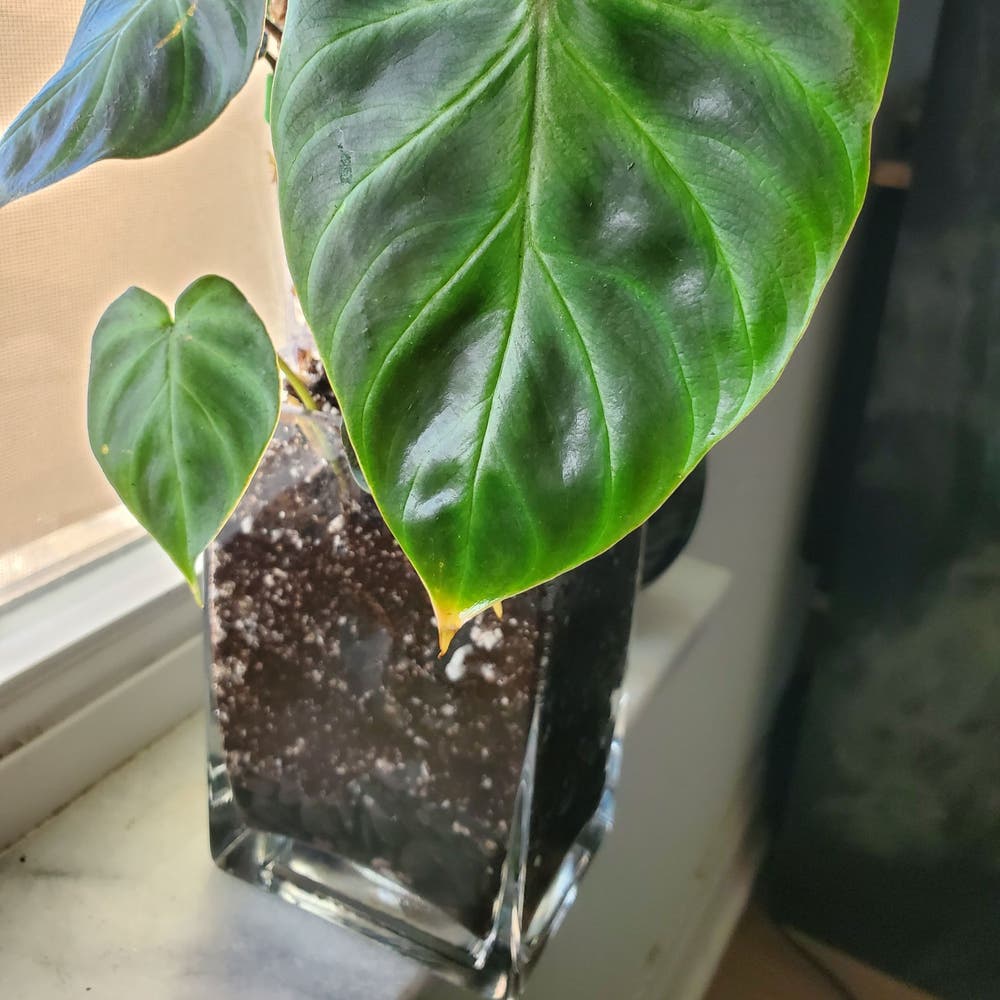
☀️ Best Climate for Magnificent Philodendron: Zones 10a-11b
Philodendron verrucosum
By the Greg Editorial Team
Oct 04, 2024•4 min read
This article was created with the help of AI so we can cover more plants for you. May contain errors. See one? Report it here.
- 🌡️ Magnificent Philodendron thrives in USDA Zones 10a-11b, ideal for warm climates.
- 💧 High humidity and temperatures between 65°F-85°F are crucial for optimal growth.
- 🌞 Indirect sunlight prevents leaf scorch, ensuring a healthy, vibrant plant.
Temperature Tolerance of Magnificent Philodendron
❄️ Cold Tolerance Specifics
The Magnificent Philodendron has a minimum temperature tolerance of 50°F (10°C). Exposure to temperatures below this threshold can lead to frost sensitivity, putting your plant at risk.
🔥 Heat Tolerance Specifics
On the flip side, this plant can handle maximum temperatures up to 95°F (35°C). However, prolonged exposure to such heat can negatively impact its health, leading to wilting or leaf burn.
🌱 Ideal Temperature Ranges for Growth
For optimal growth, aim for a temperature range of 65°F to 85°F (18°C to 29°C). Maintaining humidity levels within this range is crucial for the plant's overall well-being and vitality.
Understanding these temperature tolerances is essential for successfully cultivating the Magnificent Philodendron. Next, we’ll explore the ideal regions for growing this stunning plant.
Ideal Regions for Growing Magnificent Philodendron
🌟 Examples of US States in Zones 10a-11b
If you're looking to cultivate the magnificent philodendron, certain states shine brighter than others.
- California: Particularly in coastal regions and the southern parts, the climate is just right.
- Florida: This state is a haven for philodendrons, with its warm temperatures throughout.
- Texas: Focus on coastal areas and the southern regions for optimal growth.
🌱 Factors Contributing to Ideal Growing Conditions
What makes these regions so perfect?
- Warm Temperatures: The tropical warmth is essential for the philodendron's health.
- High Humidity: This plant thrives in humid environments, mimicking its natural habitat.
- Consistent Rainfall: Regular rainfall helps maintain the moisture levels that philodendrons crave.
- Well-Draining Soil: Good drainage prevents root rot, allowing your plant to flourish.
☀️ Climate Characteristics of Suitable Regions
The climate in these ideal regions is a dream for any philodendron enthusiast.
- Warm and Humid: Expect a climate that stays warm with high humidity levels, creating a lush environment.
- Minimal Frost: Frost can be detrimental, so these areas typically experience little to no frost.
- Indirect Sunlight: While philodendrons love light, they prefer it filtered. Too much direct sunlight can scorch their leaves.
Understanding these factors can significantly enhance your chances of growing a healthy, vibrant magnificent philodendron.
As we dive deeper into the nuances of microclimates, you'll discover how even small variations can impact your plant's growth potential.
Microclimates and Their Impact
🌦️ Definition of Microclimates
Microclimates are localized climate variations that can differ significantly from the surrounding area. These variations are influenced by factors such as elevation, proximity to water, and urban heat islands.
🌱 How Microclimates Can Extend Growing Range
Microclimates can enable the successful growth of Magnificent Philodendron even outside typical hardiness zones. Features like sheltered areas, walls that absorb heat, and water bodies can create favorable conditions for these plants.
🗺️ Examples of Microclimates in the US
Coastal areas often enjoy moderated temperatures, providing a perfect environment for Magnificent Philodendron. Urban areas can also create heat retention due to buildings and infrastructure, further extending the plant's growing potential.
Understanding microclimates is essential for maximizing your gardening success. By recognizing these localized conditions, you can cultivate Magnificent Philodendron in a wider range of environments, ensuring a thriving plant in your home or garden.
Next, we’ll explore state-level suitability for growing this magnificent plant.
State-Level Suitability Analysis
🌟 List of Suitable States for Magnificent Philodendron
When it comes to growing Magnificent Philodendron, certain states shine brighter than others.
- California: The coastal regions and southern parts offer warm temperatures and humidity, perfect for this tropical beauty.
- Florida: With its entire state basking in warmth, especially the southern regions, Florida is a haven for these plants.
- Texas: The coastal and southern areas provide the ideal climate, combining warmth with moisture.
- Hawaii: Naturally tropical, Hawaii’s climate is a dream for Magnificent Philodendron.
- Louisiana: The warm, humid conditions here mirror the plant's native habitat, making it another suitable choice.
🚫 List of Non-Suitable States and Reasons
Not every state is a good fit for Magnificent Philodendron.
- North Dakota: Extreme cold makes it nearly impossible for these plants to thrive.
- Montana: Similar to North Dakota, the harsh winters pose a significant risk.
- Maine: Frost sensitivity is a major concern, as the cold can severely damage the plant.
Understanding first and last frost dates is crucial. In non-suitable states, these dates often fall too early or too late, limiting the growing season.
❄️ Discussion on Frost and Its Impact on Growth
Frost sensitivity is a critical factor for Magnificent Philodendron. Exposure to frost can lead to significant damage or even death of the plant.
Knowing the first and last frost dates in your area is essential for successful cultivation. This knowledge helps you plan when to plant and when to protect your plants, ensuring they flourish in the right conditions.
As you explore the best states for growing Magnificent Philodendron, consider how climate and frost play vital roles in your gardening success. Next, let’s delve into the microclimates that can further influence your growing experience.
⚠️ Safety First
This content is for general information and may contain errors, omissions, or outdated details. It is not medical, veterinary advice, or an endorsement of therapeutic claims.
Always consult a qualified healthcare professional before using any plant as food, medicine, or supplement.
Never eat any plant (or feed one to pets) without confirming its identity with at least two trusted sources.
If you suspect poisoning, call Poison Control (800) 222-1222, the Pet Poison Helpline (800) 213-6680, or your local emergency service immediately.
Spotted an error? Please report it here.
Cultivating a thriving Magnificent Philodendron 🌿 is easy with Greg's tailored care reminders and climate insights to keep your plant happy in its ideal environment!