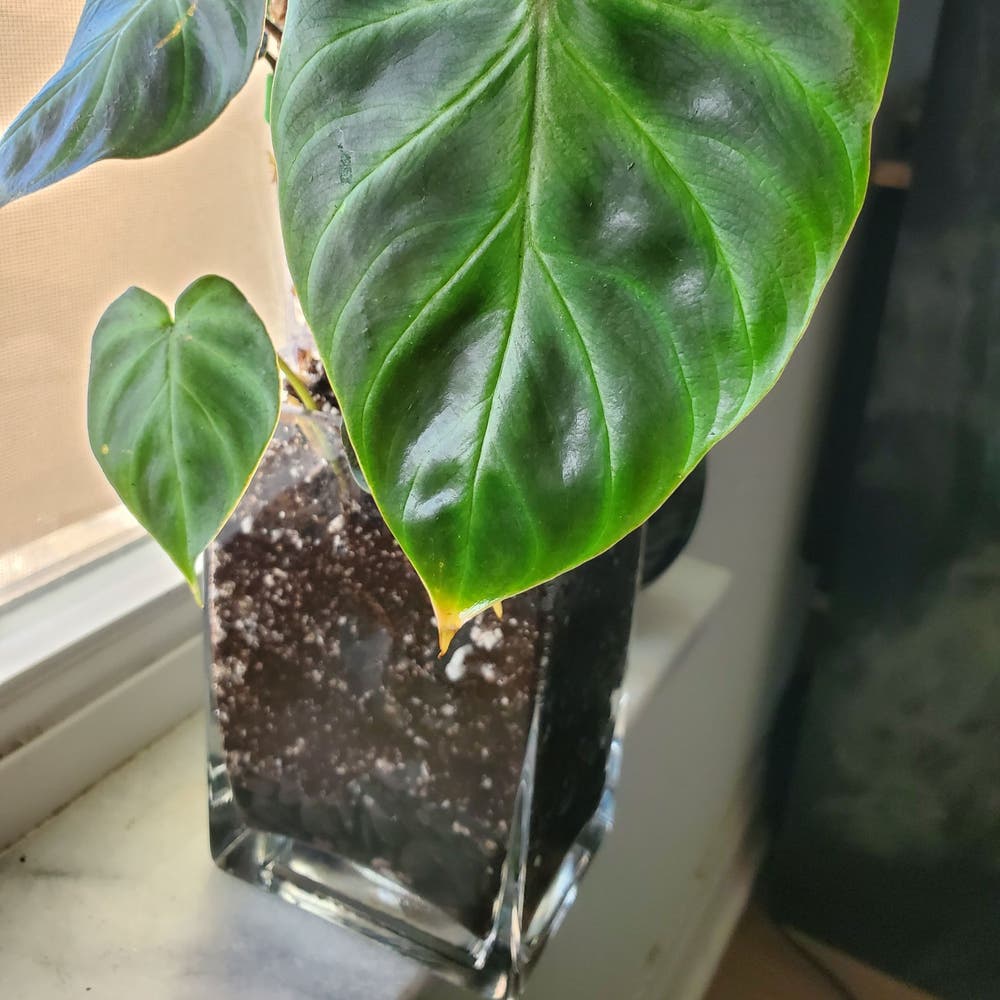
🪴 How to Plant Your Ecuador Philodendron
Philodendron verrucosum
By the Greg Editorial Team
Sep 30, 2024•6 min read
This article was created with the help of AI so we can cover more plants for you. May contain errors. See one? Report it here.
- 🌱 Planting vs. transplanting: Know the difference for successful Ecuador Philodendron growth.
- 🌞 Optimal planting time is spring or early summer for best results.
- 💧 Well-draining soil and proper humidity are crucial for healthy plants.
Key Considerations for Planting Ecuador Philodendron
Planting vs. Transplanting 🌱
Understanding the difference between planting and transplanting is crucial for your Ecuador Philodendron's success. Planting involves starting new plants from seeds or cuttings, while transplanting refers to moving established plants to a new location.
Benefits and Drawbacks 💰
When considering costs, starting from seeds or cuttings is generally cheaper. However, transplanting may incur expenses for soil amendments to ensure optimal growth.
Time to maturity is another factor. New plants take longer to grow, while established plants can yield quicker results.
Adaptability is also key. New plants often need more adjustments to thrive in local conditions compared to their established counterparts, which are already acclimated.
In summary, weigh these factors carefully to decide the best approach for your Ecuador Philodendron. This decision will set the stage for a thriving plant, whether you choose to start fresh or relocate an existing one.
Next, let’s dive into the specifics of planting new Ecuador Philodendron.
Planting New Ecuador Philodendron
🌱 Optimal Timing for Planting
The ideal time to plant your Ecuador Philodendron is during spring or early summer. This period ensures that temperatures are consistently warm, promoting healthy growth.
Avoid planting during extreme heat or cold, as these conditions can stress the young plants and hinder their development.
🪴 Selecting the Right Soil Mix and Containers
For optimal growth, use a well-draining soil mix rich in organic matter, such as peat or compost. This type of soil provides the nutrients your plant needs while preventing waterlogging.
Choose containers with drainage holes to avoid root rot. A pot size of 6-8 inches in diameter is perfect for young plants, allowing ample room for root growth.
📏 Proper Depth and Spacing for Planting
When planting, ensure the root ball is level with the soil surface. This positioning helps the plant establish itself more effectively.
Space your Ecuador Philodendron 18-24 inches apart to promote optimal growth and airflow. This distance prevents overcrowding and encourages healthy development.
🌞 Tips for Maintaining Ideal Growing Conditions
Provide your plant with indirect sunlight, as direct exposure to harsh sunlight can scorch the leaves. A bright, filtered light source is ideal for thriving growth.
Maintain humidity levels between 50-70%. You can achieve this by using a humidity tray or misting the leaves regularly.
Keep the temperature within the range of 65°F to 80°F (18°C to 27°C) for the best results. This temperature range mimics the plant's natural habitat.
🌳 Hardening Off Process Before Outdoor Planting
Gradually acclimating your Ecuador Philodendron to outdoor conditions is crucial. This process, known as hardening off, helps reduce transplant shock.
Start by keeping the plant indoors for 1-2 weeks, exposing it to outdoor conditions for a few hours each day. Gradually increase the exposure time while reducing indoor time to help your plant adjust smoothly.
With these steps, your Ecuador Philodendron will be well-prepared for a thriving life in your garden. Next, let’s explore how to transplant established plants for optimal growth.
Transplanting Established Ecuador Philodendron
🌱 Optimal Timing for Transplanting
Transplanting your Ecuador Philodendron is best done in early spring or fall. During these times, the plant is not actively growing, making it less stressful for the roots.
Look for signs that indicate it's time to transplant, such as root-bound conditions or poor growth. If you notice roots circling the pot or stunted leaves, it’s time for a change.
🛠️ Step-by-Step Instructions for Transplanting
Removing the Plant from Its Current Location
- Water the Plant: A day before transplanting, give your plant a good drink. This reduces stress on the roots.
- Digging: Carefully dig around the root zone, ensuring you keep the root ball intact. This helps maintain the plant's health.
- Lifting the Plant: Gently lift the plant from its current location, whether it’s in the ground or a pot. Be cautious to avoid damaging the roots.
Preparing the New Planting Site
- Choose the Right Spot: Find a location that offers indirect light and good airflow. This is crucial for healthy growth.
- Soil Amendment: Amend the soil with organic matter to improve drainage. This will help your plant thrive in its new home.
- Digging the Hole: Dig a hole that is twice the size of the root ball. This gives the roots plenty of room to spread out.
Ensuring Proper Placement and Spacing
- Positioning the Plant: Place the root ball in the center of the hole. This ensures even growth on all sides.
- Spacing: Maintain 18-24 inches of space from other plants. This allows for airflow and prevents overcrowding.
💧 Tips for Watering, Mulching, and Support
- Watering: After transplanting, water thoroughly. Keep the soil consistently moist but avoid sogginess.
- Mulching: Apply a layer of organic mulch around the base. This helps retain moisture and suppress weeds.
- Support: If your plant is climbing, consider using stakes or trellises. This provides the necessary support for upward growth.
Transplanting can seem daunting, but with the right timing and care, your Ecuador Philodendron will flourish in its new environment. Next, let’s dive into troubleshooting common issues you might encounter during this process.
Troubleshooting Common Issues
🥴 Understanding Transplant Shock
Transplant shock can be a real concern for your Ecuador Philodendron. Symptoms include wilting, yellowing leaves, and stunted growth, indicating your plant is struggling to adjust.
To prevent this, timing is crucial. Ensure you transplant during the right season and provide adequate care immediately after moving your plant.
🛠️ Establishment Problems and Solutions
If your plant shows signs of establishment issues, such as poor growth or leaf drop, it’s time to take action. These problems often stem from improper watering, insufficient light, or unsuitable soil conditions.
To remedy this, check your watering schedule, ensure your plant is receiving adequate light, and verify that the soil is well-draining and rich in nutrients.
🐛 Common Pests and Diseases
Pests like aphids, spider mites, and mealybugs can wreak havoc on your Ecuador Philodendron. Regularly inspect your plant for these invaders to catch them early.
Additionally, be wary of diseases such as root rot, which often results from overwatering. To prevent this, ensure proper drainage and avoid waterlogging your plant.
By addressing these common issues proactively, you can keep your Ecuador Philodendron thriving and vibrant. Next, let’s explore how to maintain optimal growing conditions for your plant.
⚠️ Safety First
This content is for general information and may contain errors, omissions, or outdated details. It is not medical, veterinary advice, or an endorsement of therapeutic claims.
Always consult a qualified healthcare professional before using any plant as food, medicine, or supplement.
Never eat any plant (or feed one to pets) without confirming its identity with at least two trusted sources.
If you suspect poisoning, call Poison Control (800) 222-1222, the Pet Poison Helpline (800) 213-6680, or your local emergency service immediately.
Spotted an error? Please report it here.
Plant your Ecuador Philodendron with confidence 🌱, and let Greg guide you with tailored care tips and reminders to ensure your new plant thrives beautifully from day one!