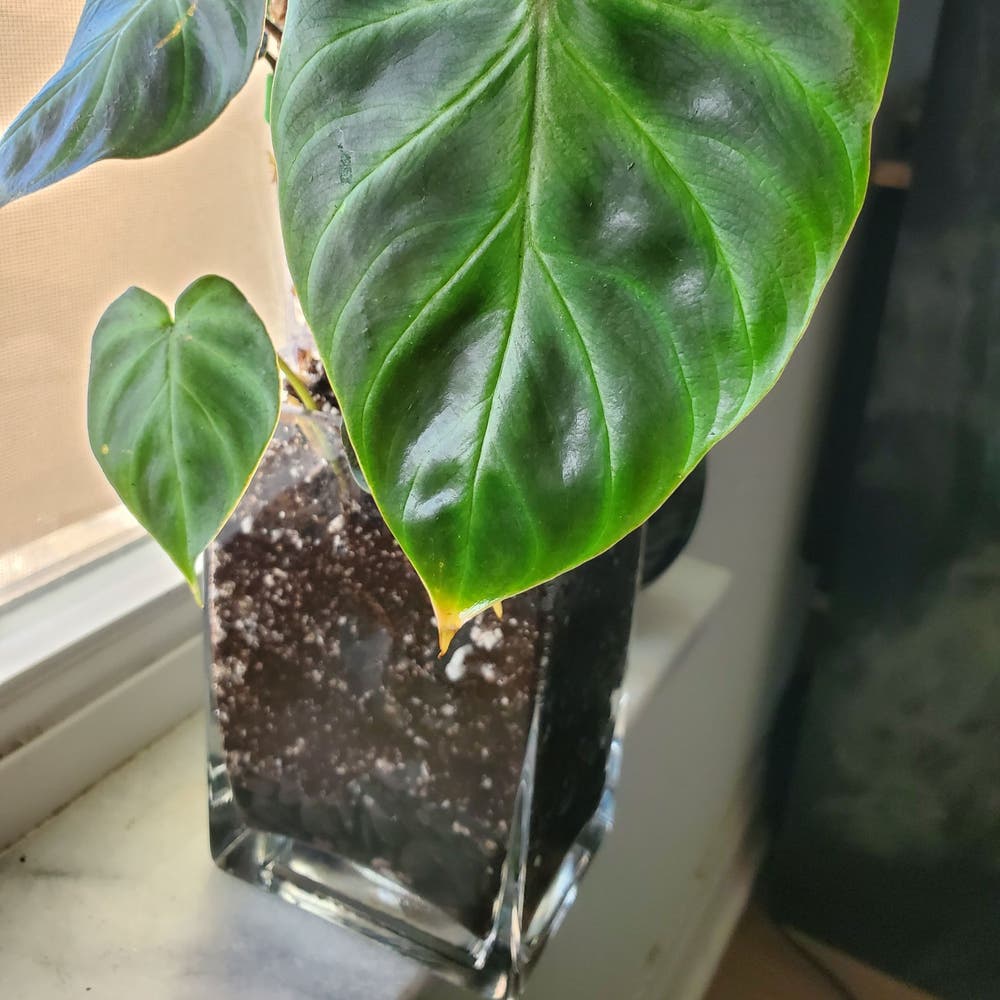
Optimal Temperature for Your Philodendron ☀️
Philodendron verrucosum
By the Greg Editorial Team
Oct 04, 2024•4 min read
This article was created with the help of AI so we can cover more plants for you. May contain errors. See one? Report it here.
- 🌡️ Ideal daytime temperature for Philodendron is 22°C to 28°C (72°F to 82°F).
- ❄️ Nighttime cooling (18°C to 22°C) supports vital metabolic processes in your plant.
- 🌬️ Avoid drafts and heat sources to prevent stress and ensure healthy growth.
Temperature Needs
Ideal Temperature Range 🌡️
For your magnificent Philodendron, the ideal daytime temperature hovers between 22°C to 28°C (72°F to 82°F). This range promotes vibrant growth and keeps your plant thriving.
At night, aim for a cooler temperature of 18°C to 22°C (65°F to 72°F). This drop mimics natural conditions and supports the plant's metabolic processes.
Maintaining a consistent temperature is crucial for healthy growth. Fluctuations can stress your plant, leading to various issues down the line.
By keeping these temperature ranges in mind, you set the stage for a flourishing Philodendron. Your attention to detail will pay off in lush, vibrant foliage that brightens your space.
Next, let’s explore the signs of temperature stress to ensure your plant remains in top shape.
Signs of Temperature Stress
Symptoms of Cold Stress ❄️
Cold stress can sneak up on your philodendron, manifesting in several telltale signs.
Leaf Discoloration: If you notice yellowing or browning leaves, it’s a cry for help from your plant.
Wilting: Drooping leaves often indicate that your plant is struggling to take up water due to the cold.
Stunted Growth: A slower growth rate during colder periods signals that your philodendron is not thriving.
Symptoms of Heat Stress 🔥
On the flip side, heat stress can also wreak havoc on your beloved plant.
Leaf Curling: If the edges of the leaves curl inward, it’s a protective response to excessive heat.
Browning Edges: Crispy leaf edges are a clear sign of dehydration, often caused by high temperatures.
Leaf Drop: Shedding leaves can occur as your plant tries to cope with the stress of heat.
Recognizing these symptoms early can help you take action and restore your philodendron to its optimal health.
Next, let’s explore the causes of temperature stress and how to prevent it from affecting your plant.
Causes of Temperature Stress
🌬️ Exposure to Drafts or Cold Windows
Your magnificent Philodendron can be sensitive to temperature fluctuations. Common culprits include open windows and air conditioning vents that create chilly drafts.
To keep your plant thriving, place it away from these direct drafts. A stable environment is key to preventing stress and ensuring healthy growth.
🔥 Proximity to Heat Sources
On the flip side, extreme heat can also wreak havoc on your Philodendron. Radiators, heaters, and direct sunlight can lead to overheating, causing your plant to suffer.
To avoid this, position your plant away from these heat sources. A little distance can go a long way in maintaining the ideal temperature for your leafy friend.
By being mindful of these temperature stressors, you can create a nurturing environment that supports your Philodendron's growth and vitality. Next, let’s explore effective temperature management strategies to keep your plant happy and healthy.
Temperature Management Strategies
Best Practices for Maintaining Optimal Temperature 🌡️
To keep your magnificent Philodendron thriving, placement is key. Choose a stable environment away from temperature extremes, ensuring it’s not too hot or too cold.
Regular monitoring is essential for success. Use indoor thermometers to track temperature fluctuations and maintain the ideal range.
Use of Thermometers and Temperature Monitoring 📏
For accuracy, digital thermometers are your best bet. They provide precise readings, helping you keep a close eye on your plant's environment.
Check the temperature daily, especially during extreme weather changes. This proactive approach helps you catch any potential issues before they affect your plant's health.
By implementing these strategies, you can create a nurturing environment for your Philodendron. This will set the stage for its vibrant growth and resilience.
As you focus on temperature management, don’t forget that humidity also plays a role in your plant's comfort. Let's explore how humidity can enhance your Philodendron's well-being.
Brief Mention of Humidity
Humidity plays a crucial role in how your Philodendron experiences temperature. High humidity can make warmer temperatures feel more bearable, creating a more comfortable environment for your plant.
When humidity levels rise, the air retains moisture, which helps your plant maintain its hydration. This is particularly beneficial during hot spells, as it reduces the stress on your Philodendron, allowing it to thrive even in higher temperatures.
To keep your plant happy, consider using a humidifier or placing a tray of water nearby. These simple strategies can enhance humidity levels, ensuring your Philodendron remains vibrant and healthy.
As you manage temperature and humidity, remember that a balanced environment is key to your plant's success. This synergy will help you create the ideal conditions for your magnificent Philodendron to flourish.
⚠️ Safety First
This content is for general information and may contain errors, omissions, or outdated details. It is not medical, veterinary advice, or an endorsement of therapeutic claims.
Always consult a qualified healthcare professional before using any plant as food, medicine, or supplement.
Never eat any plant (or feed one to pets) without confirming its identity with at least two trusted sources.
If you suspect poisoning, call Poison Control (800) 222-1222, the Pet Poison Helpline (800) 213-6680, or your local emergency service immediately.
Spotted an error? Please report it here.
Ensure your Philodendron flourishes by maintaining a stable temperature 🌡️, and let Greg guide you with tailored reminders to create the perfect environment for vibrant growth!