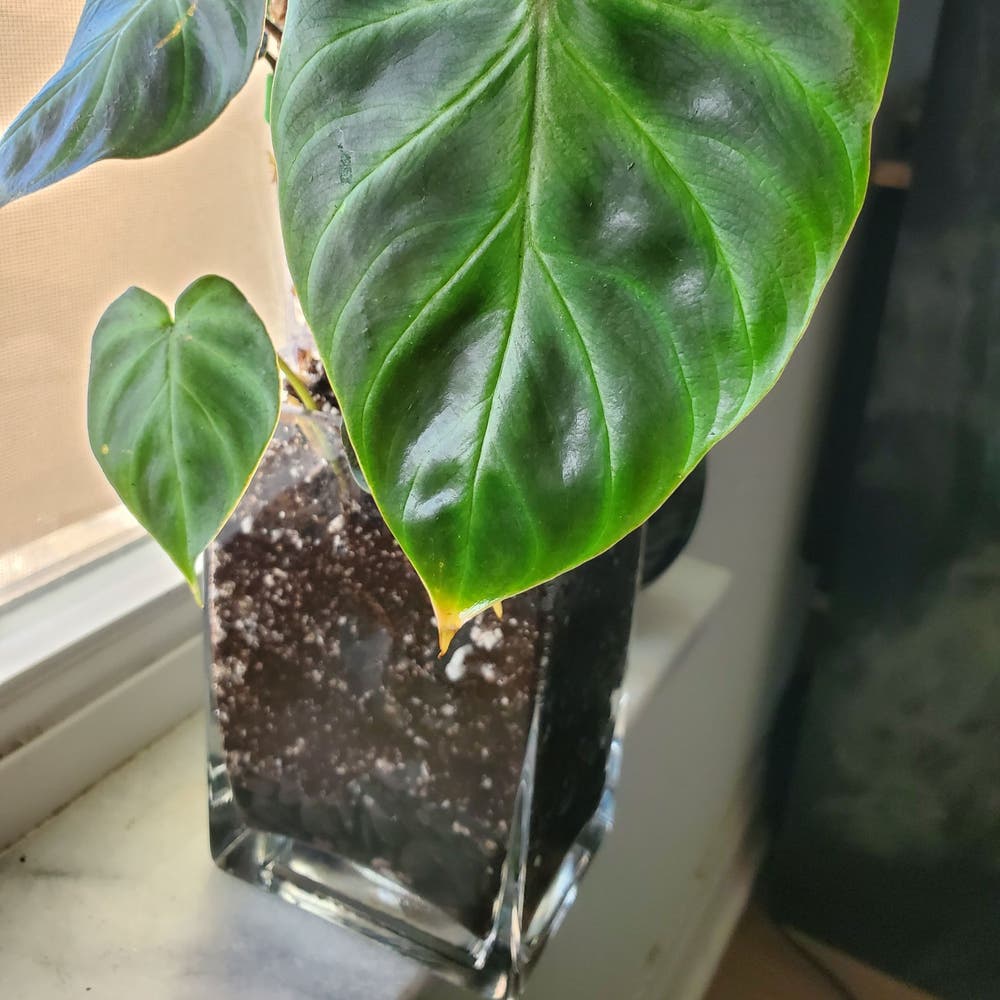
✨ How Often to Water Your Philodendron
Philodendron verrucosum
By the Greg Editorial Team
Oct 04, 2024•6 min read
This article was created with the help of AI so we can cover more plants for you. May contain errors. See one? Report it here.
- 💧 Water your Philodendron every 1-2 weeks, adjusting for seasons and conditions.
- 🌱 Signs of over-watering include yellow leaves; let soil dry out to remedy.
- 📱 Use apps to track moisture and set reminders for optimal watering.
Watering Frequency
Ideal Watering Schedule 🌧️
When it comes to watering your magnificent Philodendron, a general guideline is to water every 1-2 weeks. This frequency can vary based on the season and indoor conditions.
Seasonal Adjustments
- Spring and Summer: During these warmer months, your plant will thrive with more frequent watering, ideally every 7-10 days.
- Fall and Winter: As temperatures drop, reduce watering to every 10-14 days to prevent over-saturation.
Adapting to Indoor Conditions
It's crucial to adapt your watering schedule to your specific indoor environment. Factors like light, humidity, and temperature can significantly impact how quickly the soil dries out.
By paying attention to these elements, you can ensure your Philodendron remains healthy and vibrant. This adaptability is key to nurturing your plant successfully.
Next, let’s explore how to recognize the signs of over-watering, so you can keep your Philodendron thriving.
Recognizing Over-Watering
Symptoms of Over-Watering 🌊
Over-watering can be a sneaky problem for your magnificent Philodendron. Look out for yellowing leaves; if the lower leaves are turning yellow and dropping, it’s a clear sign.
Another red flag is wilting despite moist soil. If your plant appears droopy but the soil feels wet, it might be drowning. Lastly, check for root rot—if you notice a foul smell from the soil or mushy roots, it’s time to take action.
How to Remedy Over-Watering 🛠️
Remedying over-watering is straightforward. Start by assessing soil moisture; you can use a moisture meter or simply stick your finger into the soil.
Next, allow the soil to dry out. Withhold water until the top 2 inches are dry to the touch. If the problem persists, consider repotting your plant. Use fresh, well-draining soil to promote recovery and give your Philodendron a fighting chance.
Recognizing and addressing over-watering is crucial for your plant's health. Now, let’s explore how to identify under-watering and keep your Philodendron thriving.
Recognizing Under-Watering
Symptoms of Under-Watering 🌵
Under-watering your magnificent Philodendron can lead to several telltale signs. First, watch for crispy leaf edges; leaves may become dry and brittle, indicating they’re not getting enough moisture.
Another symptom is leaf drop, particularly the older leaves. If you notice this happening, it’s a clear signal that your plant is thirsty. Additionally, check for soil pulling away from the pot; visible gaps in the soil can suggest that it’s too dry.
How to Remedy Under-Watering 💧
If you suspect your plant is under-watered, here’s how to bring it back to life.
- Water thoroughly: Ensure water drains out of the bottom of the pot. This helps saturate the soil evenly.
- Increase frequency: Adjust your watering schedule to prevent recurrence. Your Philodendron will thrive with a consistent routine.
- Monitor environmental conditions: Keep an eye on humidity and temperature levels. These factors can greatly influence how often you need to water.
By recognizing the signs of under-watering and taking these steps, you can ensure your Philodendron remains healthy and vibrant. Next, let’s explore effective watering techniques to keep your plant thriving.
Watering Techniques
🌊 Bottom-Watering Method
Bottom-watering is a fantastic technique that encourages healthy root growth. By allowing the plant to absorb water from the bottom, you ensure that the roots reach deep into the soil.
Steps for Bottom-Watering:
- Fill a basin with water.
- Place the pot in the basin for 30 minutes.
- Remove the pot and allow any excess water to drain.
This method not only promotes robust roots but also helps prevent over-saturation of the topsoil.
💧 Self-Watering Pots and Their Benefits
Self-watering pots are a game changer for plant enthusiasts. These pots come equipped with reservoirs that provide consistent moisture, making plant care much easier.
Benefits of Self-Watering Pots:
- Reduces frequency of watering: You won’t need to check your plants as often.
- Helps maintain optimal moisture levels: Your plants will thrive without the stress of fluctuating water levels.
- Ideal for busy plant owners: Perfect for those who love plants but have hectic schedules.
With self-watering pots, you can enjoy a flourishing Philodendron without the constant worry of watering.
As you explore these watering techniques, you'll find that the right method can make all the difference in keeping your magnificent Philodendron healthy and vibrant. Next, let’s dive into how to measure soil moisture effectively.
Measuring Soil Moisture
🔧 Tools for Measuring Soil Moisture
Understanding soil moisture is crucial for your magnificent Philodendron's health. Two effective tools can help you gauge moisture levels:
- Moisture Meter: Available in digital or analog options, this device provides an accurate reading of the soil's moisture content.
- Finger Test: A simple and quick method where you use your finger to check how moist the soil is.
📋 Step-by-Step Guide to Checking Moisture Levels
Checking soil moisture doesn't have to be complicated. Follow these easy steps to ensure your plant gets the right amount of water:
- Insert a Moisture Meter: Push the meter into the soil up to 2 inches deep for an accurate reading.
- For Finger Test: Insert your finger into the soil up to the second knuckle to feel the moisture.
- Assess Moisture:
- Moist: If the soil feels damp, watering isn't needed.
- Dry: If it feels dry, it's time to water.
- Very Dry: If the soil is extremely dry, immediate watering is required.
By regularly checking moisture levels, you can prevent both over-watering and under-watering, ensuring your Philodendron thrives.
Next, let’s explore how to use technology to make plant care even easier!
Using the Greg Plant Care App
Setting Reminders for Watering 🌧️
The Greg Plant Care App makes it easy to keep your magnificent Philodendron thriving. Simply input your plant type and desired watering frequency to set up reminders that suit your schedule.
You can also customize these reminders based on seasonal changes. This flexibility ensures your plant gets the right care throughout the year.
Tracking Moisture Levels and Plant Health 📊
One of the standout features of the app is the ability to log moisture readings and monitor plant conditions. This functionality helps you stay on top of your watering routine.
Tracking moisture levels can significantly reduce the risk of over-watering and under-watering. With this tool, you can cultivate a healthier environment for your Philodendron, leading to a flourishing plant.
By integrating technology into your plant care routine, you can enjoy peace of mind and a thriving indoor garden. Next, let’s explore effective watering techniques to further enhance your plant care journey.
⚠️ Safety First
This content is for general information and may contain errors, omissions, or outdated details. It is not medical, veterinary advice, or an endorsement of therapeutic claims.
Always consult a qualified healthcare professional before using any plant as food, medicine, or supplement.
Never eat any plant (or feed one to pets) without confirming its identity with at least two trusted sources.
If you suspect poisoning, call Poison Control (800) 222-1222, the Pet Poison Helpline (800) 213-6680, or your local emergency service immediately.
Spotted an error? Please report it here.
Keep your Philodendron thriving 🌱 by adjusting your watering routine with Greg's personalized reminders and moisture tracking for a lush, vibrant plant!