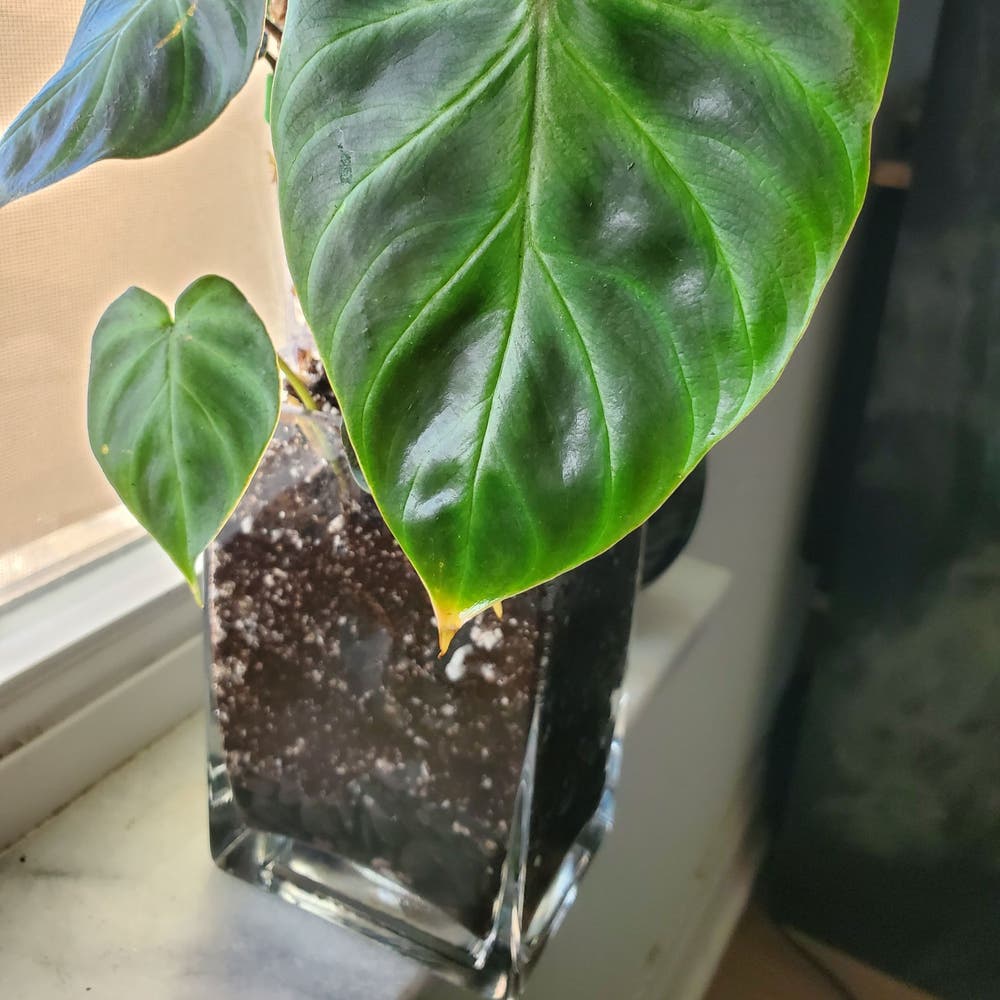
🥕 3 Tips for Healthy Magnificent Philodendron Roots
Philodendron verrucosum
By the Greg Editorial Team
Oct 04, 2024•7 min read
This article was created with the help of AI so we can cover more plants for you. May contain errors. See one? Report it here.
- 🌱 Philodendrons thrive with rhizomatous roots, absorbing nutrients efficiently for healthy growth.
- 💧 Water every 1-2 weeks; adjust based on humidity to prevent root rot.
- 🌿 Healthy roots are firm and light-colored; check regularly for optimal plant health.
Root System Type
🌱 Rhizomatous Roots
Rhizomatous roots are horizontal underground stems that produce both roots and shoots. This unique structure allows the plant to thrive by spreading out and establishing a robust network below the soil.
📏 Characteristics of Rhizomatous Roots
One of the standout features of rhizomatous roots is their extensive lateral growth. This growth pattern enables the plant to absorb nutrients and moisture efficiently, making it adaptable to various soil conditions.
Additionally, these roots enhance the plant's survival in diverse environments. Their ability to spread horizontally means they can tap into a wider range of resources, which is crucial for thriving in challenging conditions.
⚖️ Comparison with Other Root Types
When comparing rhizomatous roots to other root systems, such as fibrous and taproot systems, distinct differences emerge.
- Rhizomatous Roots: Spread horizontally, allowing for extensive nutrient absorption.
- Fibrous Roots: Form a dense network close to the soil surface, ideal for quick moisture uptake.
- Taproots: Grow deep into the soil, providing stability and access to deeper water sources.
Understanding these differences can help you appreciate the unique advantages of rhizomatous roots in supporting the health of your magnificent philodendron.
As we explore further, we’ll dive into the typical root depth and spread of these plants, revealing how their growth patterns contribute to their overall vitality.
Root Depth, Spread, and Growth Patterns
Typical Root Depth and Spread 🌱
Philodendrons thrive in tropical rainforests, where they enjoy rich, well-draining soil. In optimal conditions, their roots can reach depths of up to 2 feet and spread several feet horizontally.
Growth Patterns and Adaptations 🌿
These plants have remarkable adaptations to their humid environments. They efficiently absorb moisture, which helps them thrive even during droughts or nutrient shortages.
Seasonal Growth Variations 🌸
Philodendrons exhibit distinct seasonal growth patterns. They actively grow during warm, humid months and enter a dormant phase when temperatures drop.
Understanding these root characteristics and growth patterns is essential for maintaining a healthy philodendron. This knowledge sets the stage for effective watering, fertilizing, and transplanting practices, which we will explore next.
Watering, Fertilizing, and Transplanting
🌊 How Root System Affects Watering Frequency and Methods
Watering your Philodendron is crucial for maintaining a healthy root system. Consistent moisture is key, but avoid waterlogging, which can lead to root rot.
Aim to water every 1-2 weeks, adjusting based on humidity and temperature. Keep an eye out for signs of overwatering, such as yellowing leaves and mushy roots, or underwatering, indicated by wilting and dry soil.
🌱 Fertilization Techniques Tailored to Root Health
Fertilizing your Philodendron correctly supports robust root health. During the growing season, use balanced NPK fertilizers or organic options like compost and worm castings.
A monthly fertilization schedule works well during active growth, but reduce this frequency when the plant enters dormancy. This approach ensures your plant gets the nutrients it needs without overwhelming its roots.
🌿 Best Practices for Transplanting Without Damaging Roots
Transplanting can be a delicate process, but timing it right makes all the difference. The best time to transplant your Philodendron is during the growing season when it can recover quickly.
Follow these steps for a successful transplant:
- Prepare a new pot with fresh, well-draining soil.
- Gently remove the plant from its current pot.
- Place it in the new pot, ensuring the roots are covered with soil.
- Water thoroughly after transplanting to help settle the soil.
By following these practices, you can ensure your Philodendron thrives, setting the stage for healthy growth and vibrant foliage. Next, let’s explore common root-related issues that can arise and how to tackle them effectively.
Common Root-Related Issues
🕵️ Identifying Root Rot and Its Causes
Root rot is a sneaky problem that can devastate your philodendron. Look for signs like wilting leaves despite regular watering and mushy roots, which indicate that your plant is struggling.
The primary culprits behind root rot are overwatering, poor drainage, and compacted soil. These conditions create a perfect storm for roots to suffocate and decay.
🚰 Solutions for Overwatering and Underwatering
If you suspect overwatering, the first step is to let the soil dry out. Improving drainage can also help; consider repotting in fresh soil if the issue persists.
On the flip side, underwatering can lead to stressed plants. To remedy this, increase your watering frequency and keep a close eye on soil moisture levels.
🐛 Tips for Preventing Pests That Affect Roots
Root pests like root aphids and nematodes can wreak havoc on your plant's health. Regular soil checks are essential for early detection.
Maintaining healthy plant vigor is your best defense against these pests. A robust plant is less likely to fall victim to infestations, so keep your philodendron thriving!
Indicators of Root Health
👀 Visual Cues of Healthy vs. Unhealthy Roots
Healthy roots are your plant's lifeline. Look for roots that are firm, with a white or light tan color, and free from any foul odor.
In contrast, unhealthy roots exhibit dark, mushy, or slimy textures and often emit unpleasant smells. These signs indicate that your plant may be struggling.
📊 Other Indicators of Root Health
Beyond root appearance, overall plant vigor is crucial. Lush foliage and steady growth are strong indicators that your roots are thriving.
Additionally, check the leaves. Green, vibrant leaves signal good root health, while yellowing leaves may suggest underlying issues. Keeping an eye on these indicators can help you maintain a healthy philodendron.
As you monitor your plant's health, remember that a thriving root system is essential for its overall well-being. Next, let’s explore how to recognize and address rootbound conditions to keep your philodendron flourishing.
Recognizing and Addressing Rootbound Conditions
📖 Definition and Implications of Rootbound
Rootbound refers to a condition where roots grow in circles within the pot. This can lead to stunted growth and increased susceptibility to stress, making it crucial to address promptly.
🔍 Signs of a Rootbound Plant
Look for visible roots protruding through drainage holes. If the soil dries out quickly despite regular watering, or if you notice stunted growth and yellowing leaves, your plant may be rootbound.
🛠️ Steps to Take When Dealing with Rootbound Conditions
- Assess the Plant: Gently remove the plant from its pot to examine the root system.
- Trim Excess Roots: If you find the roots are circling, trim the excess roots and repot the plant in a larger container.
- Use Fresh Soil: Fill the new pot with fresh soil to encourage new growth.
By recognizing and addressing rootbound conditions early, you can help your philodendron thrive and maintain its magnificent health. Next, let’s explore the importance of root health in propagation and division.
Propagation and Division
🦶 Importance of Root Health in Propagation
Healthy roots are the backbone of successful propagation and division. Before you dive into propagating your philodendron, it's crucial to assess the root health to ensure robust growth.
🔍 Techniques for Assessing Root Health
Check for firmness and color. Healthy roots should be white or light tan and feel firm to the touch. If you notice any dark or mushy roots, it’s a sign of trouble.
✂️ Techniques for Dividing and Propagating
Division Method
- Remove the plant from its pot. Gently lift it out, taking care not to damage the roots.
- Gently separate the rhizomes. Ensure each section has roots attached for successful replanting.
- Replant in separate pots. Use fresh, well-draining soil to give each new plant a healthy start.
Propagation from Cuttings
- Take healthy stem cuttings. Ensure each cutting has at least one node, as this is where new roots will form.
- Place in water or soil. Keep the cuttings in a warm, humid environment until roots develop.
By following these techniques, you can ensure your philodendron thrives in its new home. Healthy roots lead to vibrant plants, so take the time to nurture them during propagation.
Next, let’s explore common root-related issues that can arise and how to tackle them effectively.
⚠️ Safety First
This content is for general information and may contain errors, omissions, or outdated details. It is not medical, veterinary advice, or an endorsement of therapeutic claims.
Always consult a qualified healthcare professional before using any plant as food, medicine, or supplement.
Never eat any plant (or feed one to pets) without confirming its identity with at least two trusted sources.
If you suspect poisoning, call Poison Control (800) 222-1222, the Pet Poison Helpline (800) 213-6680, or your local emergency service immediately.
Spotted an error? Please report it here.
Grow magnificent philodendron roots 🌿 by using Greg's tailored watering reminders and expert tips to keep your plant thriving and healthy!