8 Winter Threats to Your Philodendron ❄️
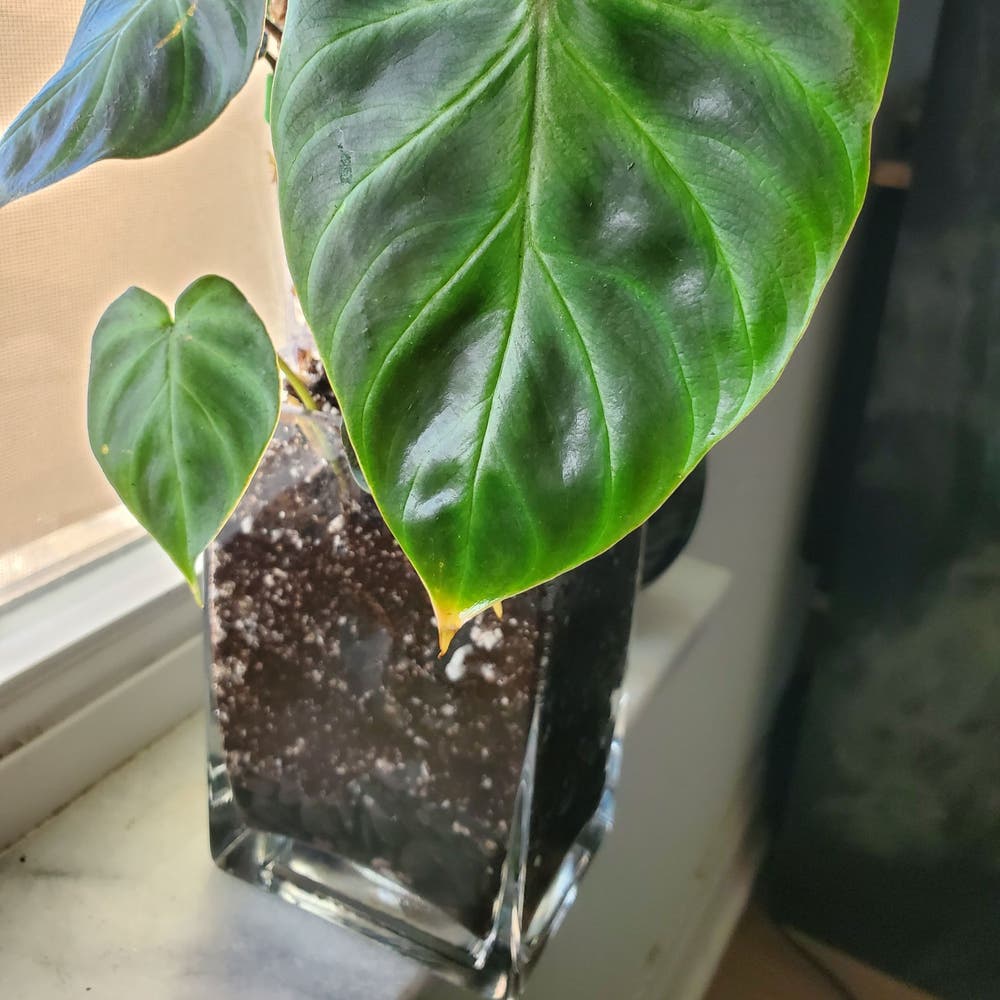
Philodendron verrucosum
By the Greg Editorial Team
Oct 04, 2024•4 min read
This article was created with the help of AI so we can cover more plants for you. May contain errors. See one? Report it here.
- 🌱 Philodendrons thrive in winter, retaining lush leaves and photosynthesizing in low light.
- 💧 Adjust watering to prevent yellowing leaves; let soil dry slightly between waterings.
- 🌡️ Maintain 65°F to 80°F temperatures and 60-80% humidity for optimal winter health.
Winter Behavior and Care of Philodendron
🌿 Characteristics of Evergreen Growth During Winter
Philodendrons are evergreen plants, meaning they retain their lush leaves throughout the winter months. This characteristic allows them to adapt effectively to the colder season.
Their glossy leaves play a crucial role in moisture retention, helping the plant thrive even when conditions are less than ideal. Additionally, philodendrons can photosynthesize in lower light conditions, making them resilient during winter's shorter days.
❄️ Winter Care Requirements
💧 Adjusting Watering Schedules for Winter
During winter, it's essential to adjust your watering schedule. Allow the soil to dry out slightly between waterings to prevent overwatering.
Signs of overwatering include yellowing leaves and root rot. When you do water, ensure it’s thorough, allowing for proper drainage to keep your plant healthy.
🌱 Modifying Fertilizing Practices During Winter Months
Fertilization should be reduced during winter to prevent nutrient buildup in the soil. A recommended schedule is to fertilize once every 6-8 weeks with a diluted balanced fertilizer.
Opt for liquid fertilizers with lower nitrogen content, as these are more suitable for winter use.
🌬️ Importance of Humidity and Temperature Control
Maintaining humidity and temperature is vital for your philodendron's health. Aim for humidity levels between 60-80% to prevent leaf drop.
The optimal temperature range is 65°F to 80°F (18°C to 27°C). You can maintain humidity through methods like using humidifiers, pebble trays, or grouping your plants together.
🛡️ Protection from Winter Threats
🥶 Strategies for Frost Protection
Identifying frost-prone areas in your home is the first step in protecting your philodendron. Common spots include windowsills and uninsulated spaces.
To safeguard your plant, consider covering it with frost cloths or blankets and moving pots indoors during extreme cold spells. Keep an eye on local weather forecasts to stay ahead of any sudden temperature drops.
🥵 Identifying Signs of Frost Damage
Frost damage can manifest as brown, crispy leaf edges or wilting. If you notice these symptoms, it’s crucial to act quickly.
Long-term effects of frost damage may include stunted growth and increased susceptibility to pests. If you suspect frost damage, take immediate action to help your plant recover.
🧣 How to Insulate Your Philodendron
Insulating your philodendron can significantly enhance its winter survival. Techniques include wrapping pots with bubble wrap or placing plants in sheltered locations.
Avoid cold drafts by keeping your plants away from doors and windows. This simple step can make a big difference in their winter health.
🏠 Indoor Winter Care
🌟 Best Indoor Locations for Winter Growth
Finding the right indoor location is key to your philodendron's winter growth. Look for bright, indirect light areas that are away from drafts.
Be mindful to avoid placing your plant near heat sources like radiators and heating vents. Rotating your plants regularly can also ensure they receive even light exposure.
💡 Managing Light Exposure During Winter Months
Understanding the impact of reduced daylight is essential for your philodendron's health. Shorter days can affect photosynthesis, so consider using grow lights for supplemental lighting.
Aim for 12-14 hours of light exposure daily to keep your plant thriving during the winter months.
🌧️ Maintaining Optimal Humidity Levels Indoors
Increasing indoor humidity can be achieved through simple methods. Regularly misting leaves and using a humidifier can help maintain the ideal humidity levels.
For accurate readings, consider using hygrometers to monitor humidity levels in your home.
🌸 Spring Preparation and Recovery
As winter comes to a close, it's important to assess any signs of winter damage. Look for leaf discoloration or stunted growth, which may indicate your plant needs attention.
Recovery techniques include pruning damaged leaves and adjusting care routines. Remember, patience is key as your philodendron takes time to bounce back.
In preparation for spring growth, watch for signs of awakening, such as new leaf growth and increased vigor. Gradually increase watering and fertilization to support this transition.
Finally, as you transition care from winter to spring, reintroduce your plant to outdoor conditions gradually. Monitor temperature fluctuations and adjust light and humidity levels as the days lengthen and temperatures rise.
⚠️ Safety First
This content is for general information and may contain errors, omissions, or outdated details. It is not medical, veterinary advice, or an endorsement of therapeutic claims.
Always consult a qualified healthcare professional before using any plant as food, medicine, or supplement.
Never eat any plant (or feed one to pets) without confirming its identity with at least two trusted sources.
If you suspect poisoning, call Poison Control (800) 222-1222, the Pet Poison Helpline (800) 213-6680, or your local emergency service immediately.
Spotted an error? Please report it here.
Protect your philodendron from winter woes and keep it magnificent 🌿 with Greg's tailored watering reminders and humidity tips that ensure your plant thrives all season long!