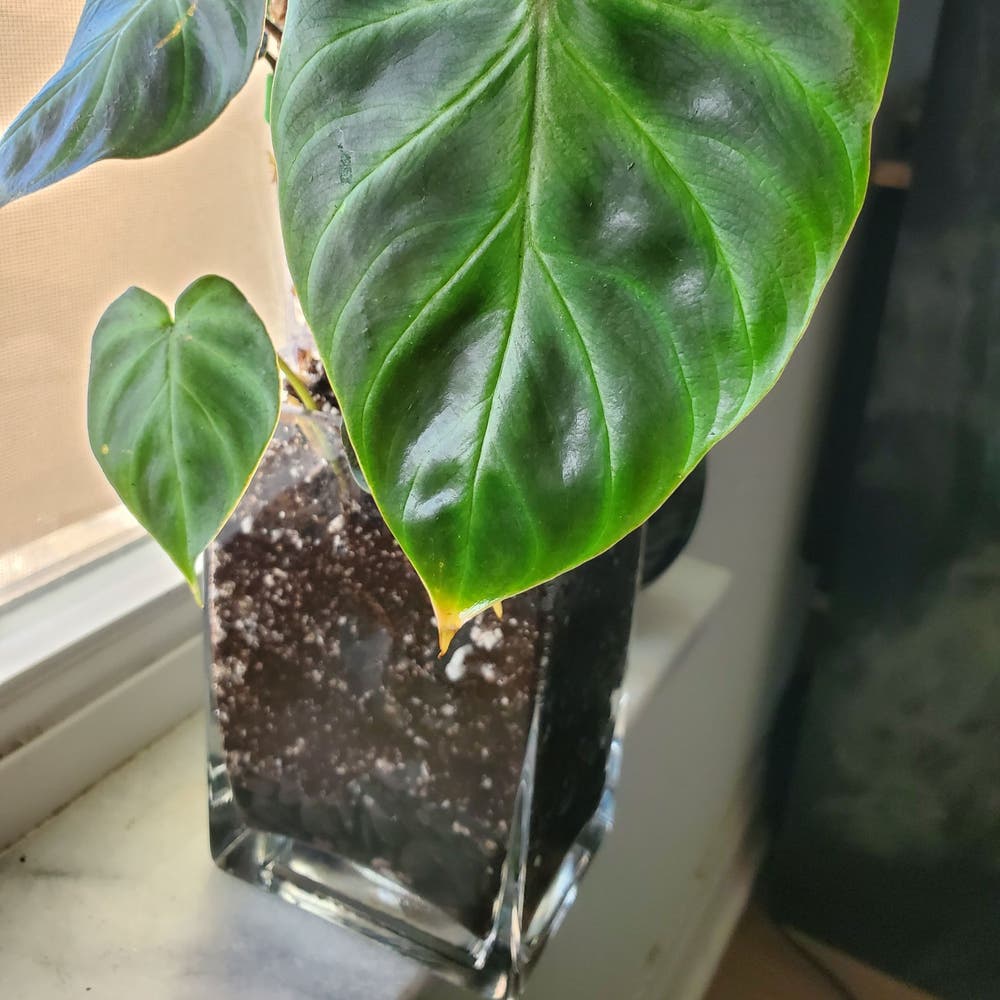
🦋 9 Plants That Love Growing with Philodendron
Philodendron verrucosum
By the Greg Editorial Team
Oct 04, 2024•4 min read
This article was created with the help of AI so we can cover more plants for you. May contain errors. See one? Report it here.
- 🌱 Magnificent Philodendron thrives with companions sharing humidity and light needs.
- 🌿 Pothos and Spider Plants are ideal partners, enhancing growth and pest resistance.
- 🌼 Companion planting boosts aesthetics and promotes healthier indoor gardens.
Best Companion Plants for Magnificent Philodendron
🌿 Plant 1: Pothos
Pothos is a fantastic companion for Magnificent Philodendron due to its similar humidity and light requirements. Both plants thrive in well-draining soil, which helps prevent overwatering issues.
🕷️ Plant 2: Spider Plant
The Spider Plant is not only visually appealing but also serves as a natural pest repellent, keeping aphids and spider mites at bay. Its watering needs align closely with those of the Philodendron, making it a compatible choice.
🌸 Plant 3: Peace Lily
With its elegant white flowers, the Peace Lily adds a stunning contrast to the dark green foliage of the Philodendron. Both plants flourish in low to moderate light, creating a harmonious indoor environment.
🌱 Plant 4: ZZ Plant
ZZ Plants are known for their resilience, tolerating low light and irregular watering. This adaptability complements the Philodendron's needs and adds unique texture to your plant arrangement.
🍃 Plant 5: Boston Fern
Boston Ferns thrive in high humidity, creating a symbiotic relationship with the Philodendron. They act as natural humidifiers, enhancing the overall environment for both plants.
🌈 Plant 6: Calathea
Calathea plants prefer high humidity levels, making them ideal companions for the Philodendron. Their striking foliage patterns not only enhance visual interest but also create a lush indoor atmosphere.
🐍 Plant 7: Snake Plant
The Snake Plant is a hardy option that tolerates lower light conditions and shares similar nutrient needs with the Philodendron. It also helps improve air quality, complementing the Philodendron's air-purifying qualities.
🌳 Plant 8: Dracaena
Dracaena plants grow well in similar light conditions and have a slow growth rate, which prevents competition for resources. They add height and structure to your plant arrangement, creating a balanced look.
🍃 Plant 9: Fiddle Leaf Fig
Fiddle Leaf Figs bring a striking visual element with their large leaves, pairing beautifully with the Philodendron. Both plants thrive in bright, indirect light, enhancing the overall aesthetic of your indoor garden.
These companion plants not only thrive alongside Magnificent Philodendron but also contribute to a vibrant and healthy indoor environment. Next, let’s explore which plants to avoid to ensure your Philodendron flourishes.
Plants to Avoid Near Magnificent Philodendron
Plant 1: Cacti 🌵
Cacti thrive in dry conditions, which can create a challenging environment for your Magnificent Philodendron. The contrast in watering needs can lead to overwatering issues, ultimately harming your Philodendron.
Plant 2: Certain Herbs 🌿
Some herbs can attract pests that pose a threat to your Philodendron. Additionally, their different watering needs can lead to root rot, making them less than ideal companions.
Plant 3: Large Leafed Plants 🍃
Large-leafed plants may compete for nutrients and space, potentially stunting your Philodendron's growth. Their similar light requirements can also lead to overshadowing, depriving your Philodendron of the light it needs to thrive.
Understanding which plants to avoid is crucial for maintaining a healthy indoor garden. By steering clear of these incompatible companions, you can ensure your Magnificent Philodendron flourishes alongside its ideal partners.
Summary of Companion Planting Benefits
Pairing your Magnificent Philodendron with compatible plants offers numerous advantages. These companions not only enhance the aesthetic appeal of your indoor garden but also create a harmonious environment that supports healthy growth.
One of the key benefits is improved humidity levels. Many compatible plants, like the Boston Fern and Calathea, thrive in high humidity, which is ideal for the Philodendron. This symbiotic relationship helps maintain moisture in the air, promoting lush foliage.
Additionally, companion plants can help with pest management. For instance, the Spider Plant naturally repels pests like aphids, protecting your Philodendron from potential infestations. This creates a healthier ecosystem, reducing the need for chemical interventions.
Moreover, these plants often share similar light and watering needs. This compatibility simplifies care routines, ensuring that your indoor garden thrives without the hassle of adjusting conditions for each plant.
Exploring diverse plant pairings can lead to a thriving indoor garden. By mixing and matching, you can create a vibrant space that not only looks beautiful but also fosters a healthy environment for all your plants.
So, dive into the world of companion planting and discover the joy of nurturing a flourishing indoor garden!
⚠️ Safety First
This content is for general information and may contain errors, omissions, or outdated details. It is not medical, veterinary advice, or an endorsement of therapeutic claims.
Always consult a qualified healthcare professional before using any plant as food, medicine, or supplement.
Never eat any plant (or feed one to pets) without confirming its identity with at least two trusted sources.
If you suspect poisoning, call Poison Control (800) 222-1222, the Pet Poison Helpline (800) 213-6680, or your local emergency service immediately.
Spotted an error? Please report it here.
Create a thriving indoor garden 🌱 by pairing your Magnificent Philodendron with compatible plants, and let Greg guide you with tailored care tips to keep them all flourishing!