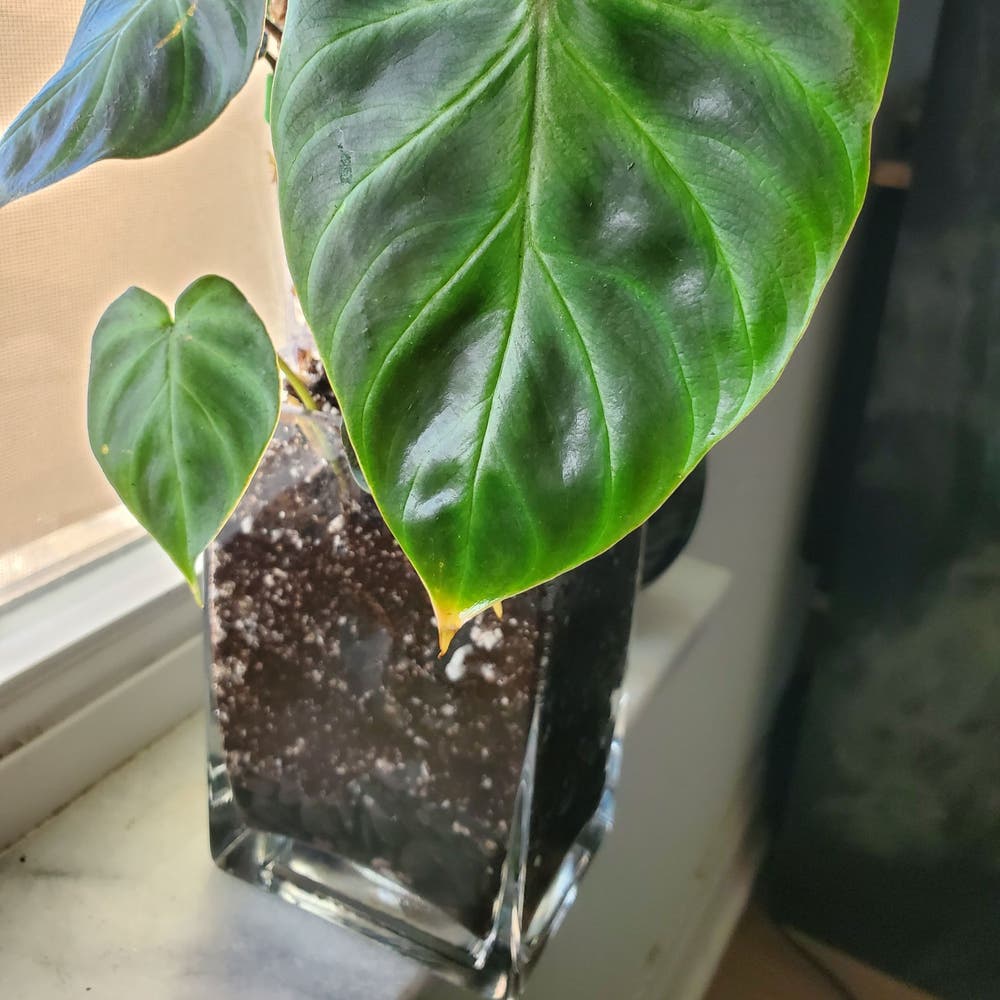
☀️ Direct Sunlight and Your Philodendron
Philodendron verrucosum
By the Greg Editorial Team
Oct 04, 2024•4 min read
This article was created with the help of AI so we can cover more plants for you. May contain errors. See one? Report it here.
- 🌞 Magnificent Philodendron thrives in bright, indirect light for optimal growth.
- ⚠️ Direct sunlight causes leaf scorching and curling; monitor exposure carefully.
- 🪴 Rotate your plant regularly for even light distribution and healthier growth.
Magnificent Philodendron and Sunlight
🌞 Does it need direct sunlight?
The Magnificent Philodendron thrives in bright, indirect light. This plant doesn’t require direct sunlight like some of its tropical counterparts, making it a perfect choice for indoor spaces.
☀️ Can it tolerate direct sunlight?
While it has a limited tolerance for direct sunlight, brief exposure is manageable. However, prolonged periods can lead to stress, so filtered light is ideal for its health.
🔥 Effects of direct sunlight
Direct sunlight can cause significant damage to your Philodendron. Scorched leaves may develop brown tips and curling edges, which not only detracts from its beauty but can also stunt growth and diminish its air-purifying abilities.
Understanding these light requirements is crucial for keeping your Magnificent Philodendron healthy and vibrant. Next, let’s explore how window direction can impact the sunlight your plant receives.
Window Direction and Sunlight
🌞 Importance of window direction
The direction of your windows plays a crucial role in your Magnificent Philodendron's health. North-facing windows typically provide the least direct sunlight, making them ideal for this plant.
In contrast, south-facing windows receive the most direct sunlight. This can be too intense for your Philodendron, so consider using sheer curtains to filter the light.
🌍 How sunlight varies by hemisphere
Sunlight intensity varies significantly depending on your hemisphere. In the Northern Hemisphere, the sun is more intense in the south, so window placement should reflect this.
Conversely, in the Southern Hemisphere, the sun shines brighter in the north. Adjust your plant care based on these local conditions to ensure optimal growth.
🪴 Best window placements
For balanced light exposure, east or west-facing windows are your best bet. These orientations provide a mix of morning and afternoon light, perfect for your Philodendron.
Avoid placing your plant directly in south-facing windows without some form of protection. Too much direct sunlight can lead to stress and damage, so keep an eye on your plant's response.
With the right window placement, your Magnificent Philodendron will thrive, setting the stage for a vibrant and healthy indoor garden. Next, let’s explore the signs of sunlight stress to ensure your plant remains in top shape.
Signs of Sunlight Stress
🌞 Symptoms of Too Much Direct Sunlight
If your magnificent philodendron is getting too much direct sunlight, you'll likely notice some telltale signs. Leaf scorching is a common issue, where the tips and edges of the leaves turn brown and crispy.
Another sign is leaf curling. When leaves curl inward, it’s the plant's way of trying to protect itself from harsh rays.
🌑 Symptoms of Insufficient Sunlight
On the flip side, insufficient sunlight can lead to its own set of problems. Leggy growth is a clear indicator; you’ll see stretched stems and sparse leaves as the plant reaches for more light.
Additionally, yellowing leaves can signal that your philodendron is struggling. This discoloration often means the plant is not getting enough light, which can lead to overall poor health.
Recognizing these signs early can help you adjust your plant care routine effectively. By keeping a close eye on your philodendron, you can ensure it thrives in the right lighting conditions.
Next, let’s explore how to adjust light exposure for your plant’s optimal health.
Tips for Plant Parents
Adjusting Light Exposure 🌞
Regularly rotating your Magnificent Philodendron is key to ensuring it receives even light distribution. This simple act helps prevent uneven growth and keeps your plant looking lush.
If you notice signs of stress, like browning leaves or leggy growth, consider relocating your plant to a more suitable spot. A little adjustment can make a big difference in its health.
Using Sheer Curtains or Blinds 🪟
Sheer curtains or blinds are fantastic for softening direct sunlight while still allowing brightness to filter through. This setup creates an ideal environment for your plant, protecting it from harsh rays.
Opt for sheer curtains to maintain that vibrant light without overwhelming your Philodendron. Your plant will thrive in a cozy, filtered light setting.
Monitoring Plant Health 👀
Regularly check your plant's leaves for color and texture changes. Healthy leaves should be vibrant and firm, while signs of stress can indicate it's time to reassess its light conditions.
Be prepared to adjust your care based on how your plant responds. Staying attentive to its needs will help you cultivate a thriving indoor garden.
By following these tips, you'll create an optimal environment for your Magnificent Philodendron, ensuring it remains a stunning addition to your home. Next, let's explore the signs of sunlight stress and how to recognize them.
⚠️ Safety First
This content is for general information and may contain errors, omissions, or outdated details. It is not medical, veterinary advice, or an endorsement of therapeutic claims.
Always consult a qualified healthcare professional before using any plant as food, medicine, or supplement.
Never eat any plant (or feed one to pets) without confirming its identity with at least two trusted sources.
If you suspect poisoning, call Poison Control (800) 222-1222, the Pet Poison Helpline (800) 213-6680, or your local emergency service immediately.
Spotted an error? Please report it here.
Ensure your Magnificent Philodendron thrives with perfect light 🌞 by using Greg's tailored tips to monitor its needs and adjust its location for vibrant growth!