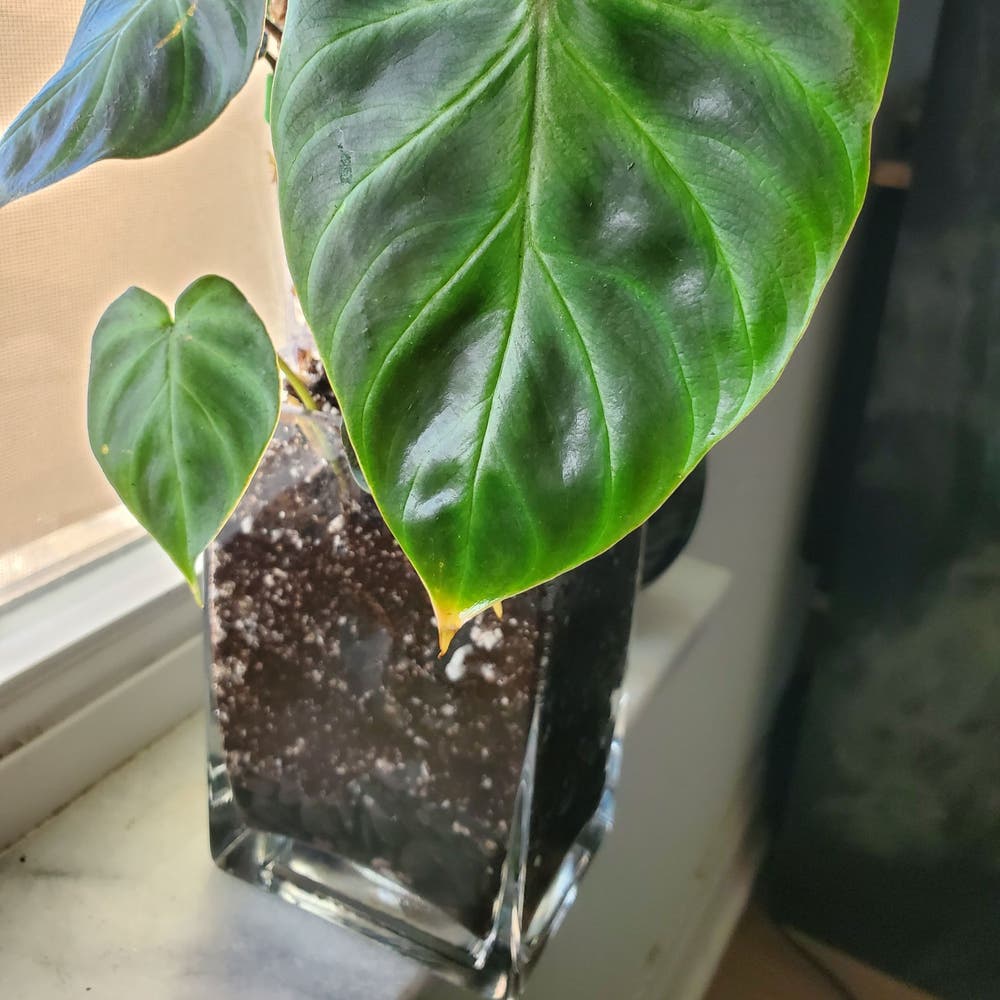
✨ Fertilizing Magnificent Philodendron to Double Its Growth
Philodendron verrucosum
By the Greg Editorial Team
Oct 04, 2024•5 min read
This article was created with the help of AI so we can cover more plants for you. May contain errors. See one? Report it here.
- 🌱 Choose between organic and synthetic fertilizers for optimal Magnificent Philodendron growth.
- 📅 Fertilize every 4-6 weeks during spring and summer for best results.
- 🚫 Watch for signs of over-fertilization like leaf burn and yellowing leaves.
Types of Fertilizers Suitable for Magnificent Philodendron
🌱 Organic vs. Synthetic Fertilizers
When it comes to fertilizing your Magnificent Philodendron, you have two main options: organic and synthetic fertilizers.
Organic fertilizers are slow-release, which means they gradually nourish your plant over time. They also improve soil health and boost microbial activity, creating a thriving ecosystem in your pot.
On the other hand, synthetic fertilizers act quickly, delivering precise nutrient ratios. However, if overused, they can lead to nutrient imbalances that may harm your plant.
🏷️ Recommended Brands and Products
For organic options, consider using fish emulsion, seaweed extract, or compost. These choices not only feed your plant but also enrich the soil.
If you prefer synthetic fertilizers, look for balanced NPK formulas like 10-10-10 or 20-20-20. These provide a well-rounded nutrient profile for your Philodendron.
Here are some specific product recommendations:
- Brand A: An organic liquid fertilizer specifically designed for Philodendron.
- Brand B: A synthetic slow-release granule that ensures steady nutrient delivery.
Choosing the right fertilizer can significantly impact your plant's growth and health. With the right balance, your Magnificent Philodendron will thrive and flourish.
As you consider your fertilization options, let's explore how to apply these fertilizers effectively.
How to Apply Fertilizer
🌱 Best Application Techniques
Applying fertilizer correctly is crucial for your Magnificent Philodendron's growth.
Liquid Fertilizer Application
When using liquid fertilizers, start by diluting according to the package instructions.
For even distribution, employ a watering can or spray bottle, ensuring every part of the soil gets the nutrients it needs.
Granular Fertilizer Application
Granular fertilizers require a different approach.
Mix the granules into the top layer of soil or sprinkle them around the base of the plant for optimal absorption.
⏰ Frequency of Application
Timing your fertilization is just as important as how you apply it.
As a general guideline, fertilize every 4-6 weeks during the growing season, which spans spring and summer.
You may need to adjust this frequency based on your plant's growth rate and specific nutrient needs.
By keeping an eye on your Philodendron, you can tailor your fertilization schedule for the best results.
With the right application techniques and timing, your plant will thrive and flourish.
Next, let’s explore the signs of over-fertilization to ensure your Philodendron remains healthy and vibrant.
Signs of Over-Fertilization
Symptoms to Watch For 🌱
Over-fertilization can sneak up on even the most diligent plant parent. Keep an eye out for these telltale signs:
Leaf Burn: Look for brown tips and edges on leaves. This is a clear indicator that your plant is getting too much of a good thing.
Yellowing Leaves: If the leaves start to yellow, it may signal nutrient imbalances or toxicity. This is your plant's way of saying, "Help me!"
Stunted Growth: A lack of new growth despite optimal conditions can be frustrating. If your Philodendron isn’t thriving, it might be time to reassess your fertilization routine.
How to Remedy Over-Fertilization 🛠️
If you suspect your plant is suffering from over-fertilization, don’t panic. Here’s how to get your Philodendron back on track:
Flush the Soil: Water the plant thoroughly to leach out excess nutrients. This helps reset the soil balance.
Adjust Fertilization Schedule: Reduce the frequency and concentration of your fertilizer. Less is often more when it comes to feeding.
Monitor Plant Recovery: Keep an eye on your plant over the following weeks. Look for signs of improvement, such as new growth or healthier leaves.
By staying vigilant and adjusting your care routine, you can help your Magnificent Philodendron thrive. Next, let’s explore the seasonal fertilization guide to optimize your plant care throughout the year.
Seasonal Fertilization Guide
🌱 Spring and Summer Fertilization
Spring marks the beginning of a vibrant growth phase for your Magnificent Philodendron. Start fertilizing in early spring to give your plant the nutrients it craves as it wakes up from dormancy.
Using balanced fertilizers during this period is crucial. They support vigorous growth, ensuring your plant thrives and flourishes.
🍂 Fall and Winter Considerations
As the seasons shift to fall and winter, it's time to adjust your fertilization routine. Cut back or even stop fertilizing altogether, as your Philodendron enters a dormant phase.
If you find it necessary to fertilize during these months, opt for lower concentrations. This helps prevent nutrient buildup and keeps your plant healthy through the colder months.
Transitioning your fertilization approach with the seasons is key to maintaining a thriving Magnificent Philodendron. Next, let’s explore the signs of over-fertilization and how to remedy them effectively.
Soil Amendments for Philodendron
Importance of Soil Quality 🌱
A well-draining potting mix is crucial for your Magnificent Philodendron. It prevents root rot and ensures that nutrients are readily available for optimal growth.
Recommended Soil Amendments 🧪
To enhance your soil, consider adding perlite or vermiculite. These materials improve drainage and aeration, allowing roots to breathe and thrive.
Compost is another excellent amendment. It boosts nutrient content and fosters beneficial microbial activity, which is vital for a healthy plant ecosystem.
Lastly, pay attention to pH levels. Aim for a slightly acidic to neutral pH, ideally between 6.0 and 7.0, to facilitate optimal nutrient uptake.
By focusing on these soil amendments, you set the stage for your Philodendron to flourish. With the right foundation, your plant will not only grow but thrive, paving the way for the next steps in your fertilization journey.
⚠️ Safety First
This content is for general information and may contain errors, omissions, or outdated details. It is not medical, veterinary advice, or an endorsement of therapeutic claims.
Always consult a qualified healthcare professional before using any plant as food, medicine, or supplement.
Never eat any plant (or feed one to pets) without confirming its identity with at least two trusted sources.
If you suspect poisoning, call Poison Control (800) 222-1222, the Pet Poison Helpline (800) 213-6680, or your local emergency service immediately.
Spotted an error? Please report it here.
Nourish your Magnificent Philodendron for explosive growth 🌿 by using Greg's personalized fertilization reminders and expert tips to keep your plant thriving!