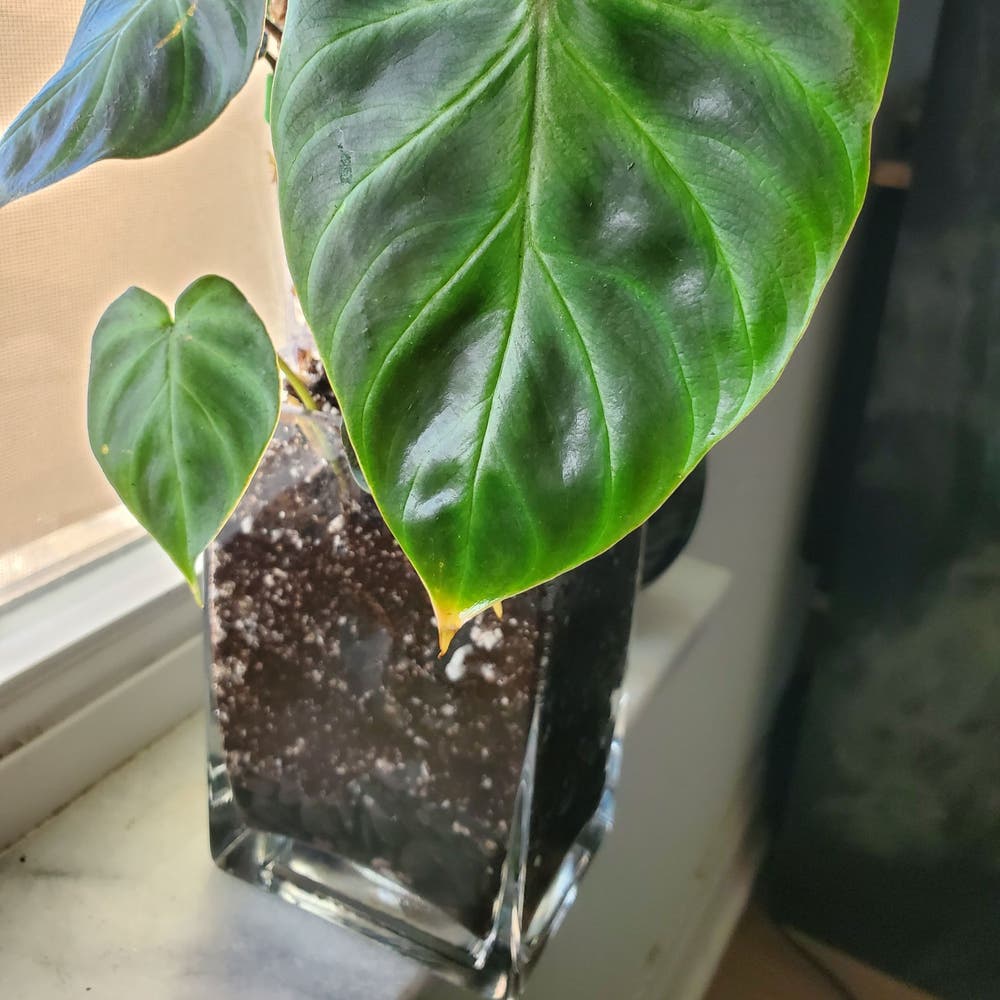
Best Soil for Philodendron 🥄
Philodendron verrucosum
By the Greg Editorial Team
Oct 04, 2024•6 min read
This article was created with the help of AI so we can cover more plants for you. May contain errors. See one? Report it here.
- 🌱 Optimal soil pH for philodendrons is between 5.5 and 7.0 for best growth.
- 🧪 Use pH testing kits to measure and adjust soil acidity effectively.
- 🌿 Healthy soil should be dark and crumbly, ensuring optimal root development.
Soil pH and Nutrient Needs
🌱 Ideal pH Range
For your philodendron to thrive, aim for a soil pH between 5.5 and 7.0. This range ensures optimal nutrient absorption, allowing your plant to access essential minerals effectively.
Maintaining the right pH balance is crucial. If the pH is too high or too low, nutrient availability decreases, leading to potential deficiencies that can stunt growth.
🔍 How to Test Soil pH
Testing your soil pH is straightforward and can be done using various tools. Start with a pH testing kit, which typically includes simple step-by-step instructions for accurate results.
Alternatively, a digital pH meter can provide quick readings. Just ensure you calibrate it properly for the most accurate measurements.
⚖️ Adjusting Soil pH
If your soil pH needs adjustment, there are effective methods to consider. To lower the pH, you can add sulfur or peat moss, both of which help acidify the soil.
Conversely, if you need to raise the pH, lime or wood ash are excellent options. These amendments can help create a more balanced environment for your philodendron.
With the right pH and nutrient balance, your plant will flourish, setting the stage for a vibrant display. Next, let’s explore how to identify unhealthy soil conditions that could hinder your plant's growth.
Identifying Unhealthy Soil
Signs of Unhealthy Soil 🌱
Recognizing unhealthy soil is crucial for maintaining a thriving Philodendron. Common indicators include moldy soil, which often appears as a fuzzy white or gray layer on the surface. This can result from overwatering or poor drainage, leading to fungal growth.
Compacted soil is another red flag. It feels hard and dense, making it difficult for roots to penetrate. This compaction can restrict water and nutrient flow, ultimately stunting your plant's growth.
Effects of Unhealthy Soil on Plant Health ⚠️
Unhealthy soil can have dire consequences for your Philodendron. You might notice stunted growth, where your plant seems to plateau despite your care. Yellowing leaves often signal nutrient deficiencies or root issues, indicating that the soil isn't providing what your plant needs.
Root problems can escalate quickly, leading to wilting or even plant death if not addressed. Keeping an eye on these signs can save your plant from unnecessary stress.
How to Diagnose Soil Issues 🔍
Diagnosing soil issues involves a few straightforward techniques. Start with a visual inspection; look for signs of mold, compaction, or unusual colors. Healthy soil should be dark and crumbly, not hard and dry.
Next, perform a soil texture test. Take a handful of moist soil and squeeze it. If it holds its shape, it may be too compact. If it crumbles easily, it might need more organic matter. Understanding these characteristics helps you pinpoint the problem effectively.
By staying vigilant and proactive, you can ensure your Philodendron thrives in a healthy environment. Now, let’s explore how to resolve these soil problems effectively.
Resolving Soil Problems
🦠 Solutions for Moldy Soil
Moldy soil can be a sign of overwatering or poor air circulation. To tackle this issue, start by removing the affected soil and replacing it with a fresh mix.
Next, improve air circulation around your plant. This can be achieved by repositioning it or using a small fan to promote airflow.
🏋️♂️ Remediation Techniques for Compacted Soil
Compacted soil can hinder root growth and water absorption. To alleviate compaction, consider using aeration techniques such as a garden fork or aerator tool.
Incorporating amendments like compost or coarse sand can also improve soil texture. This not only enhances drainage but also encourages healthy root development.
🌱 When to Repot and Refresh Soil
Repotting may be necessary if your plant becomes root-bound. Look for indicators such as roots growing out of the drainage holes or circling tightly within the pot.
If you notice these signs, it’s time to refresh the soil and give your Philodendron the space it needs to thrive. This proactive approach ensures your plant remains healthy and vibrant.
With these solutions in hand, you’re well-equipped to tackle common soil issues. Next, let’s explore how to create a homemade soil mix tailored for your Philodendron’s needs.
Creating a Homemade Soil Mix
Step-by-Step Guide to Making a Custom Soil Mix 🌱
Creating the perfect soil mix for your Philodendron starts with gathering the right ingredients. You’ll need peat moss, pine bark, perlite, and worm castings.
Next, measure and mix these components in recommended ratios. A good starting point is 2 parts peat moss, 1 part pine bark, 1 part perlite, and a handful of worm castings for nutrients.
Finally, ensure even distribution of all components. This step is crucial for consistent moisture retention and aeration.
Recommended Ingredients for Optimal Growth 🌿
To enhance your soil mix, consider adding coconut coir. This ingredient helps with moisture retention, ensuring your plant stays hydrated without becoming waterlogged.
Charcoal is another excellent amendment. It aids in odor control and improves drainage, creating a healthier environment for your Philodendron's roots.
Tips for Maintaining Soil Health Over Time 🧑🌾
Regular monitoring of your soil condition is vital. Check moisture levels frequently to avoid overwatering or underwatering.
Be on the lookout for signs that nutrients are depleting. Yellowing leaves or stunted growth can indicate that it’s time to refresh your soil mix or add nutrients.
With these tips, you can create a thriving environment for your Philodendron, ensuring it remains healthy and vibrant. Next, let’s explore the best practices for soil care to keep your mix in top shape.
Soil Maintenance and Care
Best Practices for Soil Care 🌱
Regularly aerating the soil is crucial for maintaining its structure. You can use tools like a garden fork or aerator to create small holes, allowing air, water, and nutrients to penetrate deeper.
Avoiding overwatering is equally important. Signs of overwatering include yellowing leaves, mold growth, and a soggy texture. To prevent this, always check the top inch of soil before watering.
How to Refresh Soil Nutrients 🌿
Adding nutrients back into the soil can be done effectively with organic fertilizers. Options like compost, fish emulsion, or worm castings can enrich your soil naturally.
Timing is key for nutrient replenishment. Generally, spring is the best time to boost nutrients as plants begin their active growth phase.
Seasonal Considerations for Soil Management ❄️
Adjusting your care routine based on the seasons can make a significant difference. During winter dormancy, reduce watering and nutrient input, as plants need less during this time.
In spring, ramp up your nutrient input and keep a close eye on moisture levels. This proactive approach ensures your philodendron thrives as it gears up for growth.
With these practices in place, your philodendron will flourish, setting the stage for creating a homemade soil mix next.
⚠️ Safety First
This content is for general information and may contain errors, omissions, or outdated details. It is not medical, veterinary advice, or an endorsement of therapeutic claims.
Always consult a qualified healthcare professional before using any plant as food, medicine, or supplement.
Never eat any plant (or feed one to pets) without confirming its identity with at least two trusted sources.
If you suspect poisoning, call Poison Control (800) 222-1222, the Pet Poison Helpline (800) 213-6680, or your local emergency service immediately.
Spotted an error? Please report it here.
Cultivate a thriving philodendron 🌿 by using Greg's tailored reminders for optimal soil pH and nutrient levels, ensuring your plant flourishes in its perfect environment!