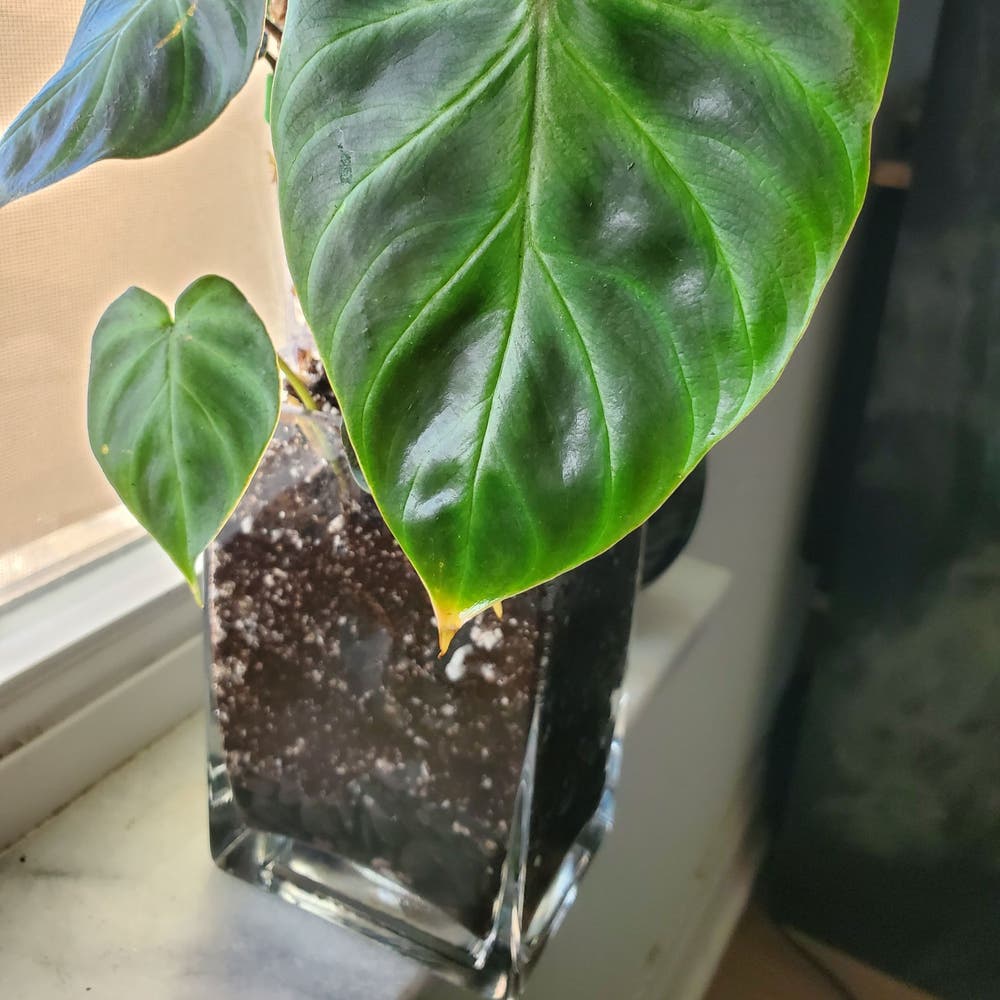
👑 3 Indoor Magnificent Philodendron Care Hacks
Philodendron verrucosum
By the Greg Editorial Team
Oct 04, 2024•5 min read
This article was created with the help of AI so we can cover more plants for you. May contain errors. See one? Report it here.
- 🌞 Bright, indirect sunlight for 6-8 hours is essential for Magnificent Philodendrons.
- 💧 Water every 1-2 weeks, letting the top inch of soil dry out.
- 🌿 Maintain humidity between 50-70% for optimal growth and health.
Light Requirements
Ideal Indoor Light Levels 🌞
For your magnificent Philodendron, the best light is bright, indirect sunlight for about 6-8 hours daily. While these plants can adapt to lower light conditions, be prepared for slower growth.
Grow Light Options 💡
When natural light isn't enough, consider grow lights. The main types include LED, fluorescent, and incandescent options.
Choosing the Best Grow Light
- Wattage: Aim for 15-25 watts per square foot for effective coverage.
- Spectrum: Full-spectrum lights are ideal for balanced growth.
- Duration: Provide 12-14 hours of light each day for optimal results.
Placement of Grow Lights
Position your grow lights 12-24 inches above the plant. This distance helps ensure your Philodendron receives the right amount of light without getting scorched.
Understanding light requirements is crucial for your plant's health. With the right light conditions, your Philodendron will thrive and bring vibrant life to your indoor space.
Next, let’s dive into watering and humidity to keep your plant happy and healthy!
Watering and Humidity
Watering Needs and Frequency 🌊
Philodendrons thrive on a consistent watering schedule. Water them every 1-2 weeks, ensuring the top inch of soil dries out between waterings.
Watch for signs of overwatering, like yellowing leaves and mushy stems. Conversely, if you notice wilting or crispy leaf edges, your plant may be underwatered.
Humidity Control Methods 💧
Humidity plays a crucial role in your Philodendron's health. Aim for humidity levels between 50-70% for optimal growth.
To boost humidity, consider these methods:
- Humidifiers: Set them to maintain your desired humidity levels.
- Pebble trays: Fill a tray with water and pebbles, placing your pot on top to create a mini humid environment.
- Grouping plants: Cluster your plants together to foster a microclimate that benefits them all.
By mastering watering and humidity, you'll set your Philodendron up for success. Next, let’s explore the ideal temperature and soil conditions to keep your plant thriving.
Temperature and Soil
Optimal Temperature Range 🌡️
To keep your magnificent Philodendron thriving, aim for a cozy temperature between 65°F to 80°F (18°C to 27°C). Be mindful of drafts and sudden temperature changes, as these can stress your plant and stunt its growth.
Best Soil Type 🌱
Philodendrons love well-draining soil rich in organic matter. A recommended mix is equal parts potting soil, perlite, and orchid bark, which ensures proper aeration and drainage.
Importance of Drainage 🚰
Good drainage is crucial to prevent root rot, a common issue for indoor plants. Always check that your pot has drainage holes to keep your Philodendron happy and healthy.
With the right temperature and soil, your Philodendron will flourish, setting the stage for the next essential care aspect: fertilization.
Fertilization
Fertilization Schedule and Types 🌱
To keep your magnificent Philodendron thriving, fertilize every 4-6 weeks during the growing season, which is spring and summer. Use a balanced liquid fertilizer, like a 20-20-20 mix, or opt for slow-release granules for convenience.
Signs of Nutrient Deficiency ⚠️
Watch for yellowing leaves; this often indicates a nitrogen deficiency. If you notice stunted growth, it could be a sign of phosphorus deficiency, while leaf drop might signal a potassium deficiency.
Understanding these signs helps you respond quickly, ensuring your plant remains healthy and vibrant. With the right care, your Philodendron will flourish, adding beauty to your indoor space.
Next, let’s explore common issues and solutions to keep your plant in top shape.
Common Issues and Solutions
🐜 Common Pests and Prevention Strategies
Indoor plants can attract a variety of pests, with spider mites, aphids, and mealybugs being the most common culprits. Regular inspections are crucial; make it a habit to check the undersides of leaves where these pests often hide.
To combat infestations, neem oil serves as an effective natural pesticide. Additionally, maintaining higher humidity levels can deter these pests, creating an environment less favorable for their survival.
🍂 Troubleshooting Yellowing Leaves and Wilting
Yellowing leaves can signal a couple of issues. Overwatering is a primary suspect, so always check your soil moisture levels before reaching for the watering can.
Nutrient deficiencies can also lead to yellowing. If you notice stunted growth, it might be time to reassess your fertilization routine.
Wilting leaves, on the other hand, often indicate underwatering. If your plant looks droopy, consider increasing your watering frequency.
Root rot is another potential cause of wilting. Inspect the roots and, if necessary, repot your plant in fresh, well-draining soil to give it a fighting chance.
By staying vigilant and addressing these common issues, you can keep your magnificent philodendron thriving. Next, let’s explore the best practices for plant placement and maintenance to ensure your indoor garden flourishes.
Plant Placement and Maintenance
Best Locations for Indoor Placement 🌞
Finding the right spot for your magnificent Philodendron is crucial. Aim for locations near east or west-facing windows to provide optimal light without overwhelming the plant.
Avoid placing your Philodendron in direct sunlight, as this can lead to leaf scorch. Instead, look for bright, indirect light to keep your plant thriving.
Tips for Maintaining Appearance and Health ✂️
Regular pruning is essential for a healthy Philodendron. Trim away any dead or yellowing leaves to encourage new growth and maintain a vibrant appearance.
Cleaning the leaves is another simple yet effective maintenance tip. Use a damp cloth to wipe away dust, enhancing photosynthesis and keeping your plant looking its best.
As your Philodendron matures, consider providing support structures like stakes or trellises. This encourages climbing growth and adds an attractive vertical element to your indoor garden.
By following these placement and maintenance tips, you'll ensure your Philodendron remains a stunning focal point in your home. Next, let's explore the best practices for fertilization to keep your plant nourished and flourishing.
⚠️ Safety First
This content is for general information and may contain errors, omissions, or outdated details. It is not medical, veterinary advice, or an endorsement of therapeutic claims.
Always consult a qualified healthcare professional before using any plant as food, medicine, or supplement.
Never eat any plant (or feed one to pets) without confirming its identity with at least two trusted sources.
If you suspect poisoning, call Poison Control (800) 222-1222, the Pet Poison Helpline (800) 213-6680, or your local emergency service immediately.
Spotted an error? Please report it here.
Transform your indoor space into a lush paradise 🌿 with these Magnificent Philodendron care hacks, and let Greg guide you with tailored reminders to keep your plant thriving!