🌺 The Meaning of Magnificent Philodendron Flowers
Philodendron verrucosum
By the Greg Editorial Team
Oct 04, 2024•3 min read
This article was created with the help of AI so we can cover more plants for you. May contain errors. See one? Report it here.
- 🌼 Magnificent Philodendron flowers feature unique pale green or white spathe and spadix structures.
- 🌱 Ideal conditions for blooming include warmth, humidity, and bright, indirect sunlight.
- 🐝 Self-pollination and external pollinators enhance reproductive success in Magnificent Philodendrons.
If Magnificent Philodendron Flowers
🌼 Flower Characteristics
Description of Colors and Structure
Magnificent Philodendron flowers typically showcase a pale green or white hue. Their structure features a unique flower spike formation that resembles a spathe and spadix, with size and shape variations across different varieties.
Self-Pollination vs. External Pollination
This plant has intriguing self-pollinating capabilities, but it can also benefit from external pollinators. Common pollinators attracted to its flowers include bees and other insects, enhancing its reproductive success.
🌸 Blooming Process
Stages of Blooming
The blooming process unfolds in three distinct stages:
- Bud formation: Initial development of the flower.
- Opening of the flower spike: The flower begins to reveal itself.
- Full bloom: The flower reaches its peak beauty.
Typical Bloom Time
Ideal blooming conditions often depend on seasonal preferences and environmental factors. Warm temperatures and adequate humidity can significantly enhance the blooming process.
Duration from Bud Formation to Full Bloom
On average, it takes about 2 to 4 weeks for a Magnificent Philodendron to progress from bud formation to full bloom. This timeframe allows for a gradual and stunning reveal of its floral beauty.
Lifespan of Flowers
Once in full bloom, the flowers typically remain open for about 1 to 2 weeks before wilting. This brief lifespan adds to the excitement of witnessing their beauty.
🌱 Encouraging Blooms
Tips for Encouraging Flowering
To encourage flowering, ensure the plant receives bright, indirect sunlight. Additionally, proper fertilization and attention to humidity and temperature can significantly promote blooming.
Factors Influencing Flowering
Several factors can either inhibit or promote flowering. Key elements include light exposure, water levels, and nutrient availability, all of which play a crucial role in the plant's blooming success.
🌿 Post-Flowering
What Happens After Flowering
After flowering, the Magnificent Philodendron shifts its energy towards leaf growth and overall health. This transition is vital for the plant's continued vitality.
Discussion on Whether It Dies After Flowering
Unlike some species, the Magnificent Philodendron does not die after flowering. It continues to thrive, showcasing its resilience and adaptability.
🌼 If Magnificent Philodendron Doesn't Flower
Primary Ornamental Features
Discussion of Foliage and Functional Aspects
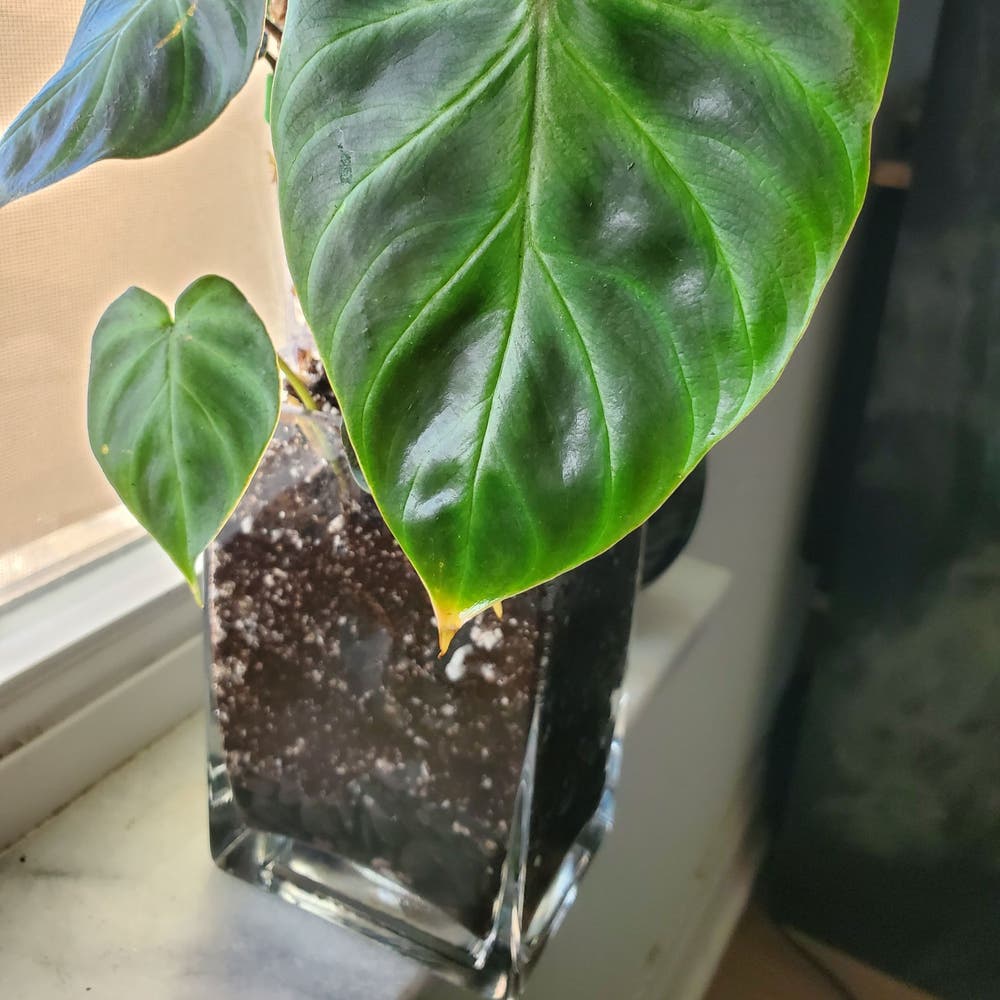
Even without flowers, the Magnificent Philodendron captivates with its unique leaf shapes and sizes. The variegation and texture of its foliage contribute significantly to its ornamental appeal, making it a stunning addition to any space.
Reproduction Without Flowers
Explanation of How It Reproduces
This plant can reproduce through vegetative propagation methods, primarily using cuttings. Proper care of these cuttings can lead to successful rooting and new growth.
🌟 Unique Aspects
Unusual Characteristics Related to Flowering or Non-Flowering Nature
The Magnificent Philodendron exhibits unique traits, including variations in flowering characteristics among different varieties. These differences add to its charm and intrigue.
Interesting Facts or Trivia About Reproductive Strategies
Historically, the plant has cultural significance related to its flowering status, often symbolizing resilience and beauty in various traditions. This adds a layer of depth to its already fascinating nature.
As we delve deeper into the world of Magnificent Philodendron, understanding its flowering and non-flowering aspects enriches our appreciation for this remarkable plant.
⚠️ Safety First
This content is for general information and may contain errors, omissions, or outdated details. It is not medical, veterinary advice, or an endorsement of therapeutic claims.
Always consult a qualified healthcare professional before using any plant as food, medicine, or supplement.
Never eat any plant (or feed one to pets) without confirming its identity with at least two trusted sources.
If you suspect poisoning, call Poison Control (800) 222-1222, the Pet Poison Helpline (800) 213-6680, or your local emergency service immediately.
Spotted an error? Please report it here.
Maximize your Magnificent Philodendron's blooming potential 🌼 with Greg's tailored care tips that ensure your plant thrives in the perfect conditions!