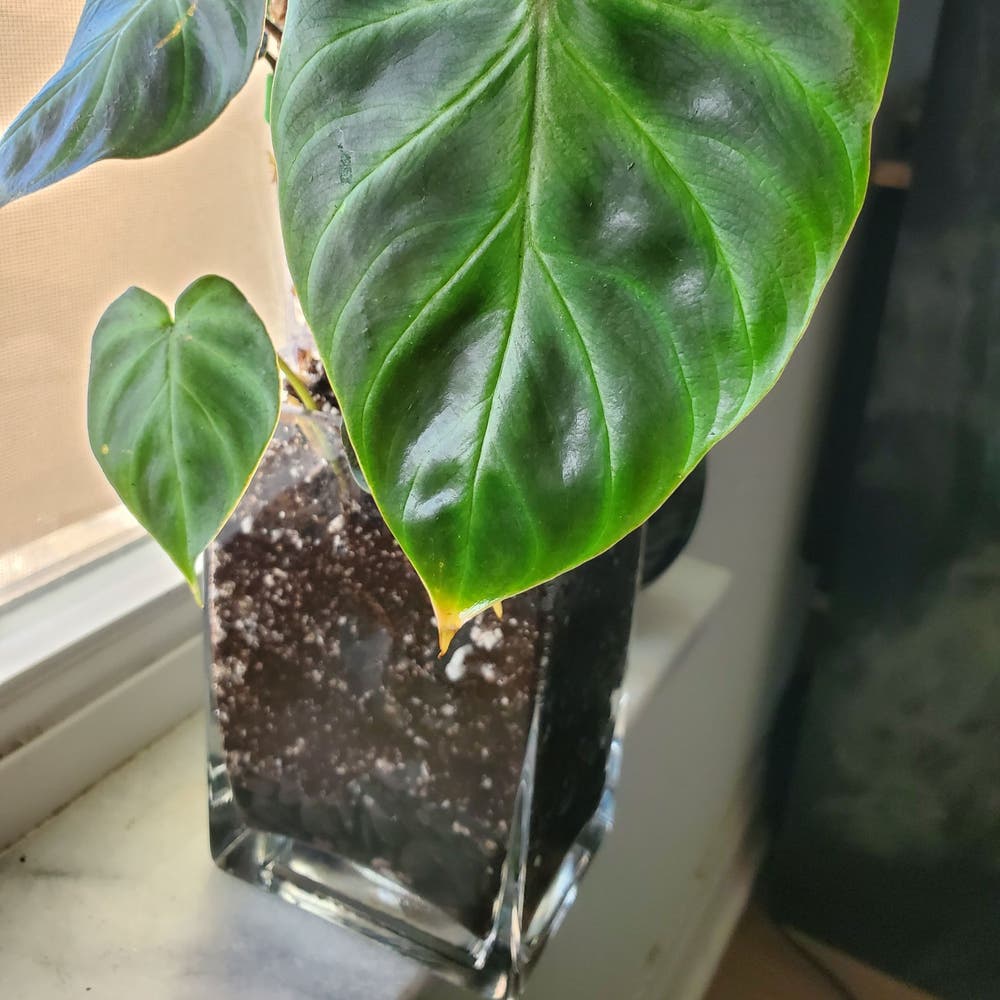
☀️ Best Light Conditions for Philodendron
Philodendron verrucosum
By the Greg Editorial Team
Oct 04, 2024•5 min read
This article was created with the help of AI so we can cover more plants for you. May contain errors. See one? Report it here.
- 🌞 Bright indirect light is crucial for healthy Philodendron growth and vibrant leaves.
- 🪴 Position near east or west windows for optimal indoor lighting conditions.
- 💡 Use grow lights to supplement low natural light and encourage flowering.
Ideal Indoor Lighting Conditions
Bright Indirect Light 🌤️
Bright indirect light is crucial for the healthy growth of your Philodendron. This type of light allows the plant to photosynthesize effectively without the risk of leaf burn.
For optimal placement, position your Philodendron near east or west-facing windows. These locations provide the right amount of light while avoiding harsh direct sunlight.
To further protect your plant, consider using sheer curtains. They diffuse direct sunlight, creating a gentle glow that your Philodendron will thrive in.
Low Light Conditions 🌑
Philodendrons can tolerate low light conditions, but their growth may slow significantly. While they can survive, you might notice a change in their overall vigor.
Signs of adaptation to low light include reduced leaf size and a slower growth rate. If you see these changes, it might be time to reassess your plant's lighting situation.
Light Exposure Techniques 🔄
To ensure even light exposure, rotate your Philodendron regularly. This simple technique helps all sides of the plant receive adequate light.
Additionally, avoid placing your plant near drafts or heat sources. These environmental factors can stress your Philodendron and hinder its growth.
By understanding and implementing these lighting conditions, you can create a thriving indoor environment for your Philodendron. Next, let’s explore the optimal outdoor lighting conditions that can further enhance its growth.
Optimal Outdoor Lighting Conditions
Bright Indirect Light 🌤️
For your Philodendron to thrive outdoors, bright indirect light is essential. The best spots are often found under the canopy of taller plants or trees, where they can enjoy filtered sunlight without the harshness of direct rays.
Direct sunlight can lead to leaf scorch, which is a quick way to ruin your plant's beauty. Always aim to provide a cozy, shaded environment that mimics their natural habitat.
Light Intensity 📏
Measuring light intensity is crucial for ensuring your Philodendron gets the right amount of light. A light meter can help you gauge this effectively.
Aim for a light intensity range of 1000-2000 foot-candles. This range promotes healthy growth while preventing stress on the plant.
Seasonal Adjustments 🍂
As seasons change, so do the angles of the sun. It's important to adjust your plant's outdoor placement accordingly to maximize light exposure.
Keep an eye on light changes throughout the year. This proactive approach will help maintain your Philodendron's health and vibrancy, ensuring it flourishes no matter the season.
With the right outdoor lighting conditions, your Philodendron can truly shine. Next, let’s explore how light affects its growth and overall health.
Effects of Light on Growth and Health
🌈 Impact of Light Quality
Light quality plays a crucial role in photosynthesis, the process that fuels plant growth. Different wavelengths of light affect how effectively plants convert light into energy.
UV light is particularly important for overall plant health. It helps in the synthesis of essential compounds, promoting stronger and more resilient plants.
📈 Growth Patterns
The correlation between light exposure and plant characteristics is striking. Adequate light leads to larger leaves, vibrant colors, and overall vigor.
On the flip side, insufficient light can cause serious issues. Plants may become etiolated, resulting in leggy growth with elongated stems and smaller leaves, which is a clear sign they’re struggling for light.
Understanding these effects can help you create the perfect environment for your Philodendron. By ensuring optimal light conditions, you can foster a thriving, healthy plant that brings life to your space.
Next, let’s explore how light influences flowering in these magnificent plants.
Role of Light in Flowering
Light plays a crucial role in the flowering process of Philodendrons. When provided with optimal light conditions, these plants can produce stunning blooms that enhance their overall beauty.
🌞 Factors Influencing Flowering
Two main factors significantly influence flowering: light duration and intensity.
Light Duration: Philodendrons typically require a specific amount of light each day to trigger flowering. Aim for around 12 to 14 hours of light to encourage blooms.
Light Intensity: The intensity of light also matters. A brighter light can stimulate more vigorous growth and increase the likelihood of flowering.
Understanding these factors can help you create the perfect environment for your Philodendron to thrive and bloom.
By ensuring your plant receives the right amount of light, you not only promote flowering but also enhance its overall health and vitality.
As you explore the world of Philodendrons, remember that the right light conditions can transform your indoor garden into a vibrant display of color and life.
Next, let’s delve into how to effectively use grow lights for indoor growth, especially when natural light is limited.
Using Grow Lights for Indoor Growth
🌟 Benefits of Grow Lights
Grow lights are a game-changer for indoor gardening, especially in low natural light environments. If your philodendron isn't getting enough sunlight, these lights can provide the boost it needs to thrive.
When considering grow lights, you have two main types: LED and fluorescent. LEDs are energy-efficient and long-lasting, while fluorescent lights are more affordable upfront but may require more frequent replacement.
💡 Placement and Duration
For optimal results, position your grow lights 12 to 24 inches away from your plant. This distance helps prevent leaf burn while ensuring your philodendron receives adequate light.
Aim for a light duration of 12 to 16 hours per day. This mimics natural sunlight patterns and promotes healthy growth, keeping your plant vibrant and lush.
With the right grow lights and care, your philodendron can flourish indoors, even in less-than-ideal lighting conditions. Next, let’s explore how light affects the growth and health of your plant.
⚠️ Safety First
This content is for general information and may contain errors, omissions, or outdated details. It is not medical, veterinary advice, or an endorsement of therapeutic claims.
Always consult a qualified healthcare professional before using any plant as food, medicine, or supplement.
Never eat any plant (or feed one to pets) without confirming its identity with at least two trusted sources.
If you suspect poisoning, call Poison Control (800) 222-1222, the Pet Poison Helpline (800) 213-6680, or your local emergency service immediately.
Spotted an error? Please report it here.
For a thriving Philodendron 🌿, ensure it gets bright indirect light, and let Greg guide you with tailored light tips to create the perfect environment for your plant's success!