🔍 Managing Black Spots on Your Philodendron Leaves
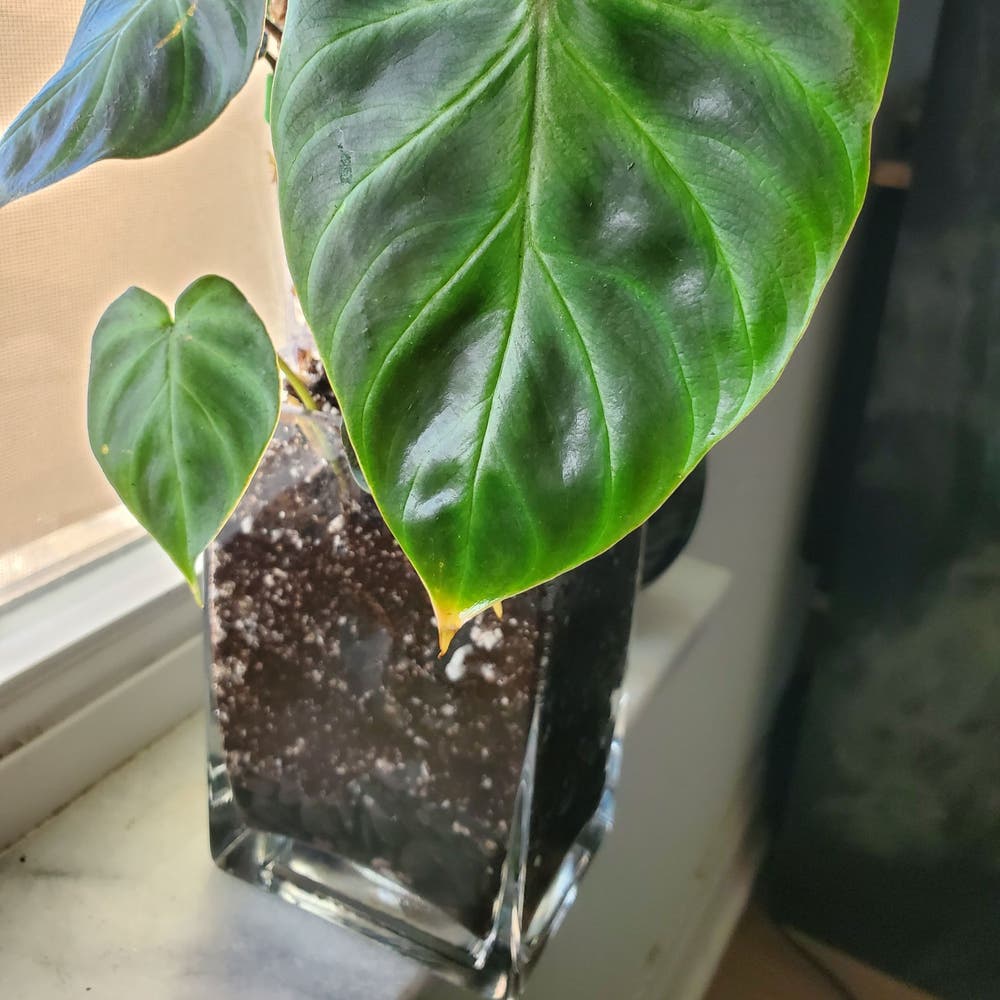
Philodendron verrucosum
By the Greg Editorial Team
Oct 04, 2024•7 min read
This article was created with the help of AI so we can cover more plants for you. May contain errors. See one? Report it here.
- 🌱 Black spots often stem from fungal or bacterial infections; identify the cause for treatment.
- 💧 Maintain humidity (60-80%) and proper watering to prevent black spots on leaves.
- 🌞 Assess light and temperature; extremes can stress your philodendron and cause discoloration.
Causes of Black Spots
🦠 Fungal Infections and Their Impact
Fungal infections are a leading cause of black spots on your philodendron leaves. Common culprits include Alternaria, Botrytis, and Phytophthora, which often manifest as black spots with a fuzzy or velvety texture.
These pathogens thrive in conditions of high humidity and poor air circulation. If your plant is in a damp, crowded space, it may be more susceptible to these infections.
🦠 Bacterial Infections and Symptoms
Bacterial infections can also lead to unsightly black spots. The bacterial leaf spot typically appears as dark, water-soaked lesions surrounded by yellowing, which can ultimately lead to leaf drop.
Common bacterial pathogens include Xanthomonas and Pseudomonas. If you notice these symptoms, it’s crucial to act quickly to prevent further damage.
🌬️ Environmental Stress Factors
Humidity
Maintaining the right humidity is vital for your philodendron's health. Ideal humidity levels range from 60-80%; anything lower can lead to leaf curling and increased susceptibility to black spots.
Low humidity can stress your plant, making it more vulnerable to infections. Consider using a humidifier or pebble tray to maintain optimal moisture levels.
🌡️ Temperature
Temperature fluctuations can also contribute to leaf discoloration. The optimal range for philodendrons is between 65°F to 85°F (18°C to 29°C).
Extreme temperature changes can stress your plant, leading to black spots and other issues. Keep your plant away from drafts and heat sources to ensure a stable environment.
🥦 Nutrient Deficiencies Leading to Discoloration
Nutrient deficiencies can manifest as black spots, often secondary to general yellowing. Common deficiencies include nitrogen, potassium, and magnesium.
If your plant lacks these essential nutrients, it may struggle to maintain healthy foliage. Regularly check your fertilization schedule to prevent these issues.
💧 Overwatering and Its Effects on Leaf Health
Overwatering is another common culprit behind black spots. Signs of overwatering include wilting, yellowing leaves, and, of course, those pesky black spots.
Proper soil moisture management is crucial. Ensure your soil is well-draining to prevent root rot, which can exacerbate leaf health issues.
Understanding these causes is the first step in managing black spots effectively. Next, we’ll explore how to diagnose these issues accurately.
Diagnosing Black Spots
🕵️ Identifying the Type of Spots
When diagnosing black spots on your Philodendron, start by examining their size. Are they small pinpoint spots or larger blotches?
Next, consider the color. Black spots may have brown or yellow edges, indicating different issues. The texture is also crucial; spots can appear fuzzy, oily, or dry, each suggesting a unique problem.
🌱 Assessing Plant Environment
Light Conditions
Light plays a vital role in your plant's health. Ideally, Philodendrons thrive in bright, indirect light.
However, too much direct sunlight can lead to leaf scorch and discoloration. Keep an eye on how your plant responds to its light exposure.
Humidity and Temperature
Humidity and temperature are equally important. Use a hygrometer to measure humidity levels, aiming for 60-80% for optimal growth.
Monitor the temperature, ensuring it stays within the ideal range of 65°F to 85°F (18°C to 29°C). Fluctuations can stress your plant, leading to discoloration.
🐛 Checking for Pests and Their Signs
Pests can also contribute to black spots. Common culprits include spider mites, aphids, and mealybugs.
Look for signs of infestation, such as webbing, sticky residue, or visible insects. Early detection is key to preventing further damage.
🌍 Soil Condition and Moisture Levels
Soil condition is another factor to consider. Check the moisture levels using a moisture meter or the finger test.
Ensure your pots have drainage holes to prevent waterlogging. Proper drainage is essential for maintaining healthy roots and preventing black spots.
By thoroughly assessing these factors, you can pinpoint the cause of black spots and take appropriate action. Next, let’s explore treatment options to restore your Philodendron's health.
Treatment Options
🌱 Organic Fungicides and Their Application
When dealing with black spots on your Philodendron, organic fungicides can be a game changer. Products like neem oil and sulfur-based fungicides are highly recommended for their effectiveness.
To apply, simply spray the affected leaves every 7-14 days. This routine helps to combat the fungal pathogens causing those pesky black spots.
🏡 Homemade Remedies for Black Spots
If you prefer a DIY approach, a baking soda solution can work wonders. Mix 1 tablespoon of baking soda with 1 gallon of water for a simple yet effective remedy.
Spray this solution on the leaves to help fight off fungal infections. It's an easy and cost-effective way to keep your plant healthy.
💧 Adjusting Watering Practices
Watering practices play a crucial role in plant health. Allow the top inch of soil to dry out before watering again to prevent overwatering.
Ensure your pots have drainage holes and use well-draining soil. This will help maintain the right moisture levels and keep your Philodendron thriving.
✂️ Pruning Affected Leaves Properly
Pruning is essential for managing black spots effectively. You'll need clean, sharp pruning shears to get the job done right.
Cut the affected leaves at the base to prevent the spread of infection. This not only improves the plant's appearance but also promotes healthier growth.
🌬️ Improving Air Circulation Around the Plant
Air circulation is often overlooked but is vital for plant health. Make sure there’s adequate space between your plants to allow for airflow.
Consider using fans in indoor settings to boost circulation. This simple step can significantly reduce the risk of fungal infections.
By implementing these treatment options, you can effectively manage black spots on your Philodendron. Next, let’s explore preventive measures to keep your plant healthy and vibrant.
Preventive Measures
Best Practices for Watering 🌊
Water your Philodendron when the top inch of soil feels dry. This simple practice helps prevent overwatering, which can lead to black spots.
Water thoroughly until it drains from the bottom. This ensures that the roots receive adequate moisture without sitting in waterlogged soil.
Ideal Humidity and Temperature Conditions 🌡️
Maintaining humidity levels between 60-80% is crucial for your plant's health. Consider using a humidifier or a pebble tray filled with water to create a moist environment.
Temperature control is equally important. Avoid placing your plant near drafts or heat sources to keep it within the optimal range of 65°F to 85°F.
Regular Inspection for Pests and Diseases 🔍
Conduct weekly checks for signs of pests or diseases. Early detection can save your plant from larger infestations that are harder to manage.
Look for any unusual spots or webbing on the leaves. Catching issues early makes treatment much more effective.
Soil Selection and Drainage Tips 🌱
Choose soil types like an aroid mix or well-draining potting soil. These options provide the right balance of moisture retention and drainage.
Incorporating perlite or orchid bark enhances drainage. This prevents root rot and keeps your plant thriving.
Fertilization Schedule to Prevent Deficiencies 🥦
Use a balanced NPK fertilizer (20-20-20) every 4-6 weeks during the growing season. This helps ensure your Philodendron gets the nutrients it needs.
Always follow the instructions on the fertilizer package. Over-fertilization can harm your plant more than help it.
By implementing these preventive measures, you can maintain the health of your Philodendron and minimize the risk of black spots. Next, let's explore how to monitor your plant's recovery after treatment.
Post-Treatment Care
Monitoring Recovery of the Plant 🌱
After treatment, keep an eye out for signs of recovery. New growth and improved leaf color are excellent indicators that your Philodendron is bouncing back.
Adjusting Care Routine Based on Plant Response 🔄
As your plant begins to recover, observe any changes closely. You may need to modify watering and light conditions based on how your plant responds.
Signs of Improvement to Look For 👀
Look for new leaf growth, which signifies successful treatment. A noticeable reduction in black spots will also indicate a healthier overall appearance.
When to Seek Professional Help 🆘
If black spots persist despite your best efforts, it may be time to consult a professional. Additionally, if you notice extensive leaf damage or wilting, don’t hesitate to seek expert advice.
By staying vigilant and responsive to your plant's needs, you can foster a thriving environment for your Philodendron. This proactive approach will help ensure its long-term health and beauty.
⚠️ Safety First
This content is for general information and may contain errors, omissions, or outdated details. It is not medical, veterinary advice, or an endorsement of therapeutic claims.
Always consult a qualified healthcare professional before using any plant as food, medicine, or supplement.
Never eat any plant (or feed one to pets) without confirming its identity with at least two trusted sources.
If you suspect poisoning, call Poison Control (800) 222-1222, the Pet Poison Helpline (800) 213-6680, or your local emergency service immediately.
Spotted an error? Please report it here.
Transform your philodendron's health and banish black spots 🌿 with Greg's tailored care tips and reminders, ensuring your plant stays vibrant and beautiful!