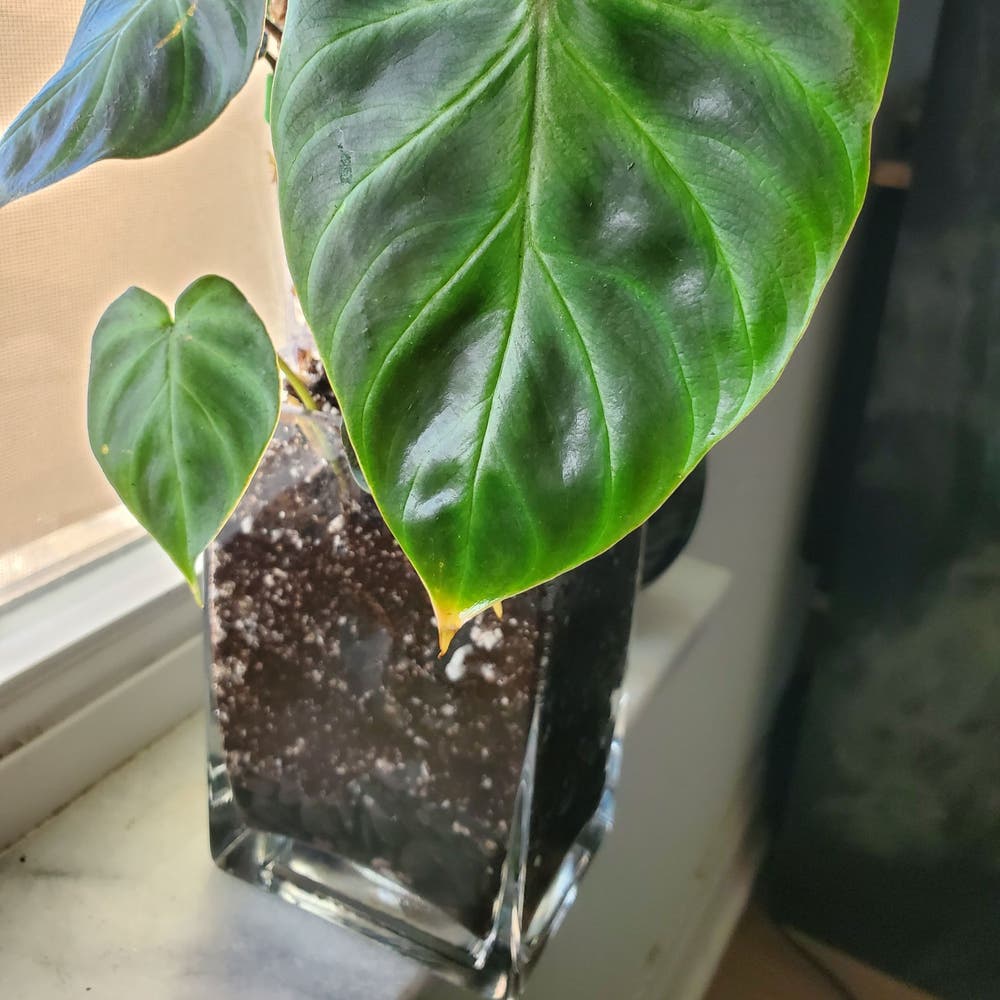
How to Fix Brown Spots on Your Magnificent Philodendron 🐞
Philodendron verrucosum
By the Greg Editorial Team
Oct 04, 2024•6 min read
This article was created with the help of AI so we can cover more plants for you. May contain errors. See one? Report it here.
- 🌱 Brown spots arise from overwatering, underwatering, pests, or nutrient deficiencies.
- 🐛 Common pests like spider mites cause browning; treat with insecticidal soap.
- 🌿 Proper care, including watering and light, prevents brown spots on philodendrons.
Causes of Brown Spots
💧 Overwatering and Root Rot
Overwatering is a common culprit behind brown spots on your philodendron. Symptoms include yellowing leaves that eventually brown and wilting, even when the soil feels wet.
Root rot occurs when the soil becomes waterlogged, promoting fungal growth. Ensuring proper soil drainage is crucial to prevent this issue.
🌵 Underwatering and Leaf Dehydration
Underwatering can also lead to brown spots, manifesting as crispy, brown edges on leaves and drooping foliage. This dehydration results in a loss of turgor pressure, which can severely affect leaf health.
🐜 Pest Infestations
Common Pests
Spider mites are notorious for their fine webbing and stippled leaves. They can cause significant damage, leading to yellowing and browning of the leaves.
Aphids are another threat, often leaving a sticky residue and curling leaves in their wake. Their presence can weaken your plant's vigor, making it more susceptible to other issues.
🍄 Fungal Infections
Leaf Spot Disease
Leaf spot disease presents itself as dark brown or black spots surrounded by yellow halos. This condition thrives in overly humid environments with poor air circulation.
Early detection is vital for effective treatment, as it can prevent the spread of the infection to healthy leaves.
🌱 Nutrient Deficiencies
Key Nutrients
Nitrogen deficiency often shows up as general yellowing and browning of older leaves. On the other hand, potassium deficiency typically results in brown spots on the edges and tips of leaves.
Balanced fertilization is essential for maintaining overall plant health, ensuring your philodendron thrives without nutrient-related issues.
Understanding these causes will help you diagnose and treat brown spots effectively, paving the way for a healthier plant. Next, we’ll explore how to diagnose these brown spots accurately.
Diagnosing Brown Spots
🧐 Identifying Symptoms of Overwatering vs. Underwatering
Understanding the symptoms of overwatering and underwatering is crucial for your Philodendron's health.
Overwatering typically presents as consistently soggy soil and leaves that feel mushy or soft.
In contrast, underwatering results in dry, crumbly soil and leaves that have crispy, brittle edges.
🐛 Recognizing Pest Damage Versus Fungal Issues
Next, it's essential to differentiate between pest damage and fungal issues.
Pest damage often includes visible insects or webbing on leaves, along with curling or distorted foliage.
On the other hand, fungal issues manifest as dark spots with yellowing edges, usually without any visible insects.
🌍 Assessing Environmental Factors Affecting Leaf Health
Environmental factors play a significant role in your plant's well-being.
Light conditions are vital; insufficient light can lead to weak growth and increased susceptibility to issues.
Humidity levels should be monitored using a hygrometer, as low humidity can stress your plant.
Lastly, keep an eye on temperature fluctuations; drafts or heat sources can adversely affect your Philodendron's health.
By carefully diagnosing these symptoms and factors, you can take informed steps to restore your plant's vibrancy. Next, let’s explore effective treatment options to address these brown spots.
Treatment Options
🌊 Adjusting Watering Practices ((difficulty:easy))
Establishing a consistent watering schedule is crucial for your Philodendron's health. Water the plant when the top inch of soil feels dry to the touch.
To check soil moisture effectively, use the finger test or a moisture meter. This simple practice helps prevent both overwatering and underwatering.
🕳️ Improving Soil Drainage ((difficulty:moderate))
A well-draining soil mix is essential for preventing root rot. Combine potting soil with perlite and orchid bark for optimal drainage.
Additionally, ensure your pots have drainage holes. This prevents water accumulation, keeping your plant's roots healthy.
🐞 Treating Pests ((difficulty:moderate))
For pest infestations, applying insecticidal soap can be effective. Use it every 7-14 days until you see no more pests.
Neem oil is another great option. Spray it on affected areas to deter unwanted insects.
🦠 Applying Fungicides for Fungal Infections ((difficulty:hard))
When dealing with fungal infections, choose between systemic and contact fungicides. Each type has its specific uses and effectiveness.
Always follow the label directions for dosage and frequency. Proper application is key to combating fungal issues effectively.
🌱 Fertilizing to Address Nutrient Deficiencies ((difficulty:easy))
To tackle nutrient deficiencies, use a balanced NPK fertilizer, like a 10-10-10 mix. This ensures your plant receives essential nutrients.
Fertilize every 4-6 weeks during the growing season. Regular feeding supports overall plant health and vitality.
By implementing these treatment options, you can effectively address the brown spots on your Philodendron. Next, let’s explore preventive measures to keep your plant thriving.
Preventive Measures
Establishing a Proper Watering Schedule 🌊
Consistency is key when it comes to watering your Philodendron. Avoid extremes in soil moisture by watering only when the top inch of soil feels dry.
Utilizing the Greg plant care app can help you set reminders, ensuring you never forget to check on your plant's hydration needs.
Maintaining Optimal Humidity Levels 💧
Humidity plays a crucial role in your plant's health. To increase humidity, consider using humidifiers, pebble trays, or simply grouping your plants together.
A hygrometer can be a handy tool to monitor humidity levels, helping you maintain the ideal environment for your Philodendron.
Choosing the Right Soil Mix 🌱
The right soil mix is essential for healthy roots. Opt for a well-draining potting mix that includes organic matter to promote aeration.
Good aeration is vital for root health, preventing issues like root rot and ensuring your plant thrives.
Regularly Inspecting for Pests 🔍
Frequent inspections can save your plant from pest infestations. Aim for weekly checks to catch any problems early.
Look for signs such as discoloration, webbing, or sticky residue, which can indicate pest activity.
Providing Adequate Light Conditions ☀️
Light exposure significantly impacts your Philodendron's growth. Aim for bright, indirect sunlight to keep your plant happy and healthy.
Adjust your plant's placement based on available light to ensure it receives the right amount of brightness throughout the day.
By implementing these preventive measures, you can create a thriving environment for your Philodendron. This proactive approach will help you avoid common issues and keep your plant looking magnificent.
Post-Treatment Care
Monitoring Recovery of Affected Leaves 🌱
After addressing the brown spots, keep an eye on your plant's recovery. Look for new growth emerging from healthy nodes, which is a positive sign that your Philodendron is bouncing back.
Patience is key during this phase. It may take some time for your plant to fully recover, so resist the urge to make drastic changes too quickly.
Adjusting Care Routine Based on Plant Response 🔄
As your plant begins to show signs of recovery, observe any changes in leaf health closely. Adjust your watering and feeding routine based on how your Philodendron responds to treatment.
Consider keeping a care journal to track these changes. This can help you identify what works best for your plant and refine your care routine over time.
Pruning Damaged Leaves to Promote New Growth ✂️
Once you notice signs of recovery, it’s time to think about pruning. Remove any damaged leaves to encourage new growth and improve the overall appearance of your plant.
When pruning, use clean, sharp scissors to avoid introducing any infections. This small step can make a big difference in your Philodendron's health and vitality.
By following these post-treatment care tips, you’ll set your magnificent Philodendron on the path to thriving once again. Next, let’s explore some preventive measures to keep those brown spots at bay in the future.
⚠️ Safety First
This content is for general information and may contain errors, omissions, or outdated details. It is not medical, veterinary advice, or an endorsement of therapeutic claims.
Always consult a qualified healthcare professional before using any plant as food, medicine, or supplement.
Never eat any plant (or feed one to pets) without confirming its identity with at least two trusted sources.
If you suspect poisoning, call Poison Control (800) 222-1222, the Pet Poison Helpline (800) 213-6680, or your local emergency service immediately.
Spotted an error? Please report it here.
Keep your philodendron magnificent 🌿 by using Greg's tailored care tips and reminders to prevent brown spots and ensure it thrives in your home!