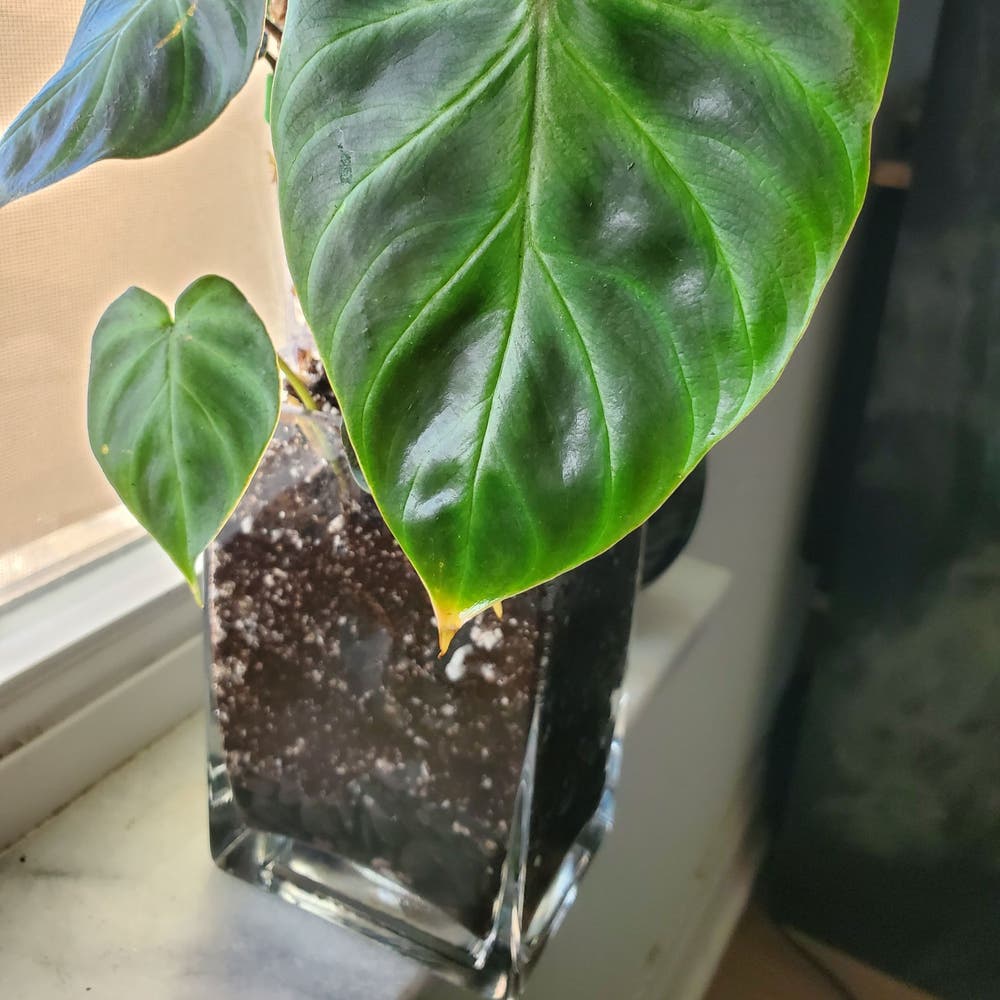
Identifying Bugs on Your Philodendron 🐞
Philodendron verrucosum
By the Greg Editorial Team
Oct 04, 2024•7 min read
This article was created with the help of AI so we can cover more plants for you. May contain errors. See one? Report it here.
- 🐛 Identify common pests like spider mites and mealybugs to protect your Philodendron.
- 🌱 Recognize damage signs such as yellowing leaves and sticky residue for early detection.
- 🌿 Use organic solutions like neem oil for eco-friendly pest management.
Common Pests Affecting Magnificent Philodendron
🕷️ Spider Mites
Identification
Spider mites are tiny, spider-like creatures often lurking on the undersides of leaves. Look for fine webbing and stippled or yellowing leaves as telltale signs of their presence.
Damage Caused
These pests can cause leaves to discolor and drop prematurely. If left unchecked, they may lead to overall plant decline.
Treatment Options
For chemical treatment, consider using miticides specifically designed for spider mites. Alternatively, organic options like neem oil or insecticidal soap can be effective, especially when combined with increased humidity around the plant.
🐞 Scale Insects
Identification
Scale insects appear as small, oval-shaped bumps on stems and leaves. Sticky leaves due to honeydew excretion are a common sign of their infestation.
Damage Caused
These pests weaken the plant by sucking sap, which can lead to yellowing and leaf drop. Their presence can significantly impact your plant's health.
Treatment Options
Chemical options include systemic insecticides that target scale insects effectively. For an organic approach, use rubbing alcohol on a cotton swab to remove scales or apply insecticidal soap.
🐛 Mealybugs
Identification
Mealybugs are recognizable by their white, cottony masses found in leaf joints and on stems. Sticky leaves and potential sooty mold growth are signs that they may be present.
Damage Caused
These sap-sucking pests can stunt growth and lead to leaf drop. Their impact can be detrimental if not addressed promptly.
Treatment Options
Chemical insecticides specifically targeting mealybugs can be effective. Alternatively, you can use neem oil or a mixture of water and dish soap, along with manual removal using a cotton swab.
🦠 Aphids
Identification
Aphids are small, soft-bodied insects that can be green, black, or yellow. Look for curling leaves and sticky residue on the foliage as indicators of their presence.
Damage Caused
These pests can distort leaves and even transmit plant viruses. Their rapid reproduction can quickly escalate an infestation.
Treatment Options
Broad-spectrum insecticides are a chemical solution for aphids. For an organic method, consider introducing ladybugs as natural predators or using neem oil or insecticidal soap.
🦋 Whiteflies
Identification
Whiteflies are tiny, white flying insects that often gather on the undersides of leaves. Yellowing leaves and sticky residue are common signs of their infestation.
Damage Caused
These pests weaken the plant and can lead to sooty mold, which can further affect plant health.
Treatment Options
Insecticides specifically formulated for whiteflies can help control their population. Organic methods include using yellow sticky traps or applying insecticidal soap.
🪲 Fungus Gnats
Identification
Fungus gnats are small, dark flies frequently seen flying around the soil. Their larvae may be present in the soil, causing root damage.
Damage Caused
These pests can lead to root rot and weaken your plants significantly. Their presence is often a sign of overwatering.
Treatment Options
Chemical treatments targeting larvae can be effective. Alternatively, allow the soil to dry out between waterings or introduce beneficial nematodes to control the larvae.
🐜 Weevils
Identification
Weevils are small beetles with elongated snouts, and their larvae may be found in the soil. Chewed leaves and potential root damage are signs of their activity.
Damage Caused
Root damage from weevils can lead to plant instability and decline. Their presence can be particularly concerning for the health of your philodendron.
Treatment Options
Insecticides targeting adult weevils can help manage their population. For an organic approach, handpicking adults and using beneficial nematodes for larvae control can be effective.
Understanding these common pests is crucial for maintaining the health of your magnificent philodendron. By identifying and addressing these issues early, you can ensure your plant thrives. Next, let's explore natural pest resistance and how it can benefit your philodendron care routine.
Pest Resistance
🌿 Natural Pest Resistance
Magnificent Philodendrons are generally more resistant to pests than many other houseplants. Their robust growth and glossy leaves create an environment that deters common pests, making them a resilient choice for plant lovers.
This natural resistance means you're less likely to encounter infestations. However, it's still essential to stay vigilant and monitor your plant regularly to catch any potential issues early.
💪 Benefits of Robust Growth
The strong growth habit of Magnificent Philodendrons not only enhances their beauty but also contributes to their pest resistance. Healthy plants are better equipped to fend off pests, reducing the need for chemical interventions.
By maintaining optimal growing conditions, you can further bolster your plant's defenses. This proactive approach ensures your Philodendron remains a stunning centerpiece in your home.
👀 Staying Vigilant
Even with their natural resilience, occasional pests may still appear. Regular inspections and proper care can help you maintain a thriving plant while minimizing the risk of infestations.
Next, let’s explore effective preventative measures to keep your Magnificent Philodendron in top shape.
Prevention
🛡️ Preventative Measures
Regular inspections of your Magnificent Philodendron can catch pests before they become a problem. Look for early signs like discoloration or webbing, as these can indicate an infestation.
Maintaining optimal growing conditions is crucial. Ensure your plant receives the right amount of light, water, and nutrients to keep it healthy and less susceptible to pests.
🧼 Plant Hygiene and Inspection Routines
Cleaning the leaves of your plant is a simple yet effective way to prevent pest issues. Dust can harbor pests, so a quick wipe-down can make a significant difference.
Quarantine new plants before introducing them to your collection. This practice helps prevent any potential pests from spreading to your healthy plants, keeping your indoor garden thriving.
By taking these preventive steps, you can enjoy a flourishing Magnificent Philodendron while minimizing the risk of pest infestations. Next, let’s explore general pest management strategies to keep your plant in top shape.
General Pest Management
Integrated Pest Management (IPM) Principles 🌱
Integrated Pest Management (IPM) is a holistic approach to pest control. It combines cultural, biological, and chemical practices to effectively manage pests while minimizing harm to the environment.
Monitoring your plants is crucial. Regular checks help you spot issues early, allowing for timely interventions that keep your magnificent Philodendron thriving.
Early Detection and Intervention 👀
Recognizing early signs of pest infestations can save your plant from significant damage. Look for subtle changes like discoloration or unusual growth patterns.
Implementing strategies for timely intervention is key. For instance, if you notice sticky leaves or webbing, act quickly to address the problem before it escalates.
Distinguishing Between Similar Pests
🕷️ Visual Characteristics of Spider Mites
Spider mites are tiny, often less than 1 millimeter long, and can be tricky to spot. Look for their distinctive spider-like appearance, especially on the undersides of leaves, where they spin fine webbing.
🐛 Identifying Mealybugs and Scale Insects
Mealybugs present as white, cottony masses nestled in leaf joints or on stems. In contrast, scale insects appear as small, oval bumps on leaves and stems, often leaving a sticky residue known as honeydew.
🔍 Importance of Accurate Identification
Correctly identifying pests is crucial for effective treatment. Misidentifying a pest can lead to ineffective solutions, wasting time and resources while allowing the infestation to worsen.
📊 Quick Comparison Table
| Pest Type | Appearance | Location on Plant |
|---|---|---|
| Spider Mites | Tiny, spider-like; webbing | Undersides of leaves |
| Mealybugs | White, cottony masses | Leaf joints and stems |
| Scale Insects | Small, oval bumps | Stems and leaves |
💭 Final Thoughts
Understanding the differences between similar pests can empower you to take swift action. This knowledge not only protects your magnificent philodendron but also enhances your overall plant care skills.
Next, let’s explore effective prevention strategies to keep your plants thriving and pest-free.
⚠️ Safety First
This content is for general information and may contain errors, omissions, or outdated details. It is not medical, veterinary advice, or an endorsement of therapeutic claims.
Always consult a qualified healthcare professional before using any plant as food, medicine, or supplement.
Never eat any plant (or feed one to pets) without confirming its identity with at least two trusted sources.
If you suspect poisoning, call Poison Control (800) 222-1222, the Pet Poison Helpline (800) 213-6680, or your local emergency service immediately.
Spotted an error? Please report it here.
Keep your Magnificent Philodendron thriving 🌿 by using Greg's tailored care tips and pest alerts to catch issues early and enjoy a flourishing plant!