✂️ Step-by-Step Guide to Trimming Philodendron
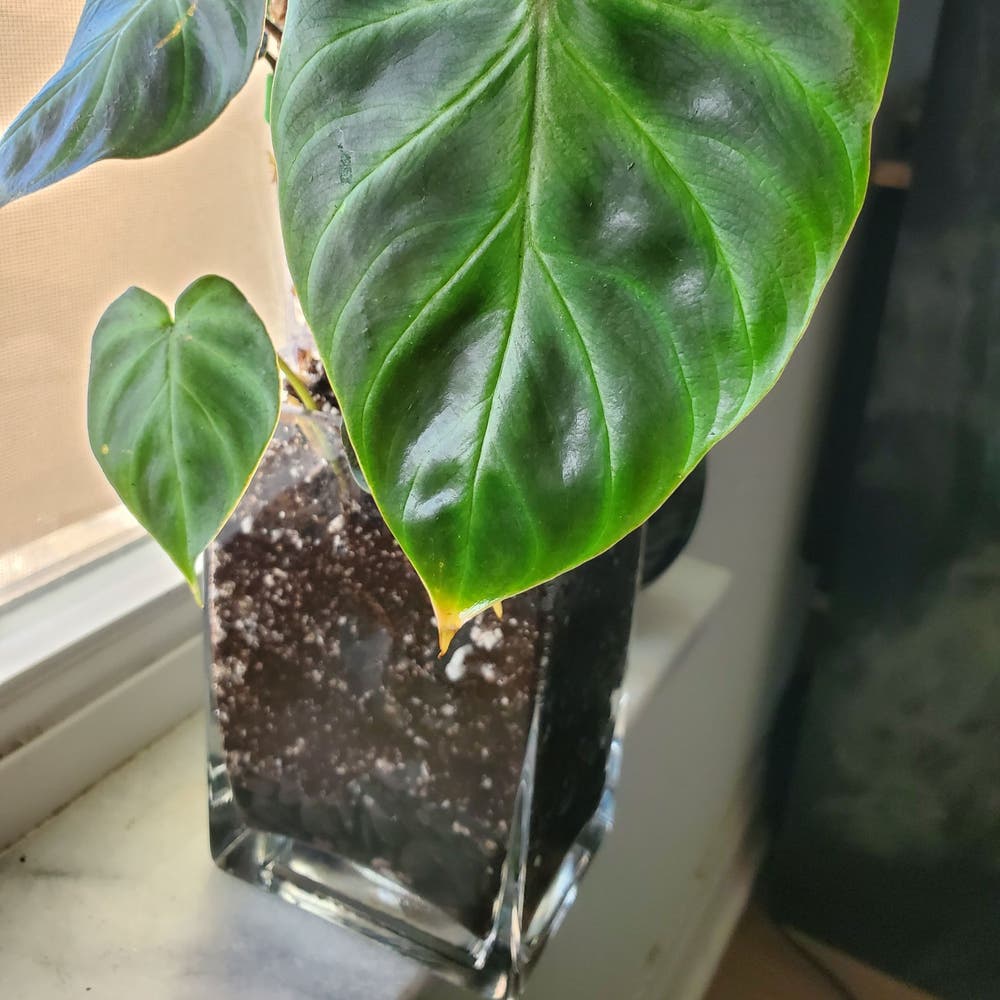
Philodendron verrucosum
By the Greg Editorial Team
Oct 04, 2024•5 min read
This article was created with the help of AI so we can cover more plants for you. May contain errors. See one? Report it here.
- 🌱 Prune in late spring to early summer for optimal growth and recovery.
- ✂️ Use clean, sharp shears and cut at a 45-degree angle for best results.
- 🌿 Watch for signs like leggy growth and yellowing leaves to know when to prune.
When to Prune
🌱 Best Seasons for Pruning
The best time to prune your magnificent philodendron is during late spring to early summer. This period aligns with the plant's active growth phase, allowing it to recover quickly from any cuts.
When considering indoor versus outdoor plants, keep in mind that indoor philodendrons may have slightly different growth cycles due to controlled environments. Always observe your plant's specific needs.
✂️ Signs That Pruning Is Needed
Look for an overgrown appearance characterized by leggy growth. If your philodendron has yellowing or damaged leaves, it's a clear signal that pruning is necessary.
Additionally, reduced vigor or overall health of the plant can indicate that it's time for a trim. A healthy plant should look vibrant and full, so don’t hesitate to take action.
⏰ Timing Considerations Based on Growth Cycles
Pruning after active growth periods yields the best results. This timing allows the plant to redirect its energy toward healing and new growth, ensuring a robust recovery.
By aligning your pruning schedule with the plant's natural cycles, you can enhance its health and appearance. Now that you know when to prune, let's dive into the practical steps for effective pruning.
How to Prune
Step-by-Step Pruning Instructions 🌱
Assess the plant's overall shape and health. Take a moment to observe your Philodendron. Look for areas that seem overgrown or unhealthy.
Identify stems and leaves that need removal. Focus on leggy growth or yellowing leaves. These are clear indicators that it's time to prune.
Use clean, sharp pruning shears for cuts. Dull tools can damage the plant. Always prioritize cleanliness to prevent disease.
Cut at a 45-degree angle to promote healing. This technique helps the plant recover more quickly. It also reduces the risk of water pooling on the cut surface.
Remove any dead or yellowing leaves at the base. This not only improves appearance but also encourages new growth. Healthy leaves mean a healthier plant.
Shape the plant by trimming back excessively long stems. Aim for a balanced look. This will help your Philodendron thrive and maintain its natural beauty.
Recommended Tools for Pruning 🛠️
Pruning shears: Ensure they are sharp and clean for precise cuts. This is crucial for effective pruning.
Gloves: Protect your hands from sap and sharp edges. Safety first!
Disinfectant: Clean your tools before and after use. This prevents the spread of diseases between plants.
Techniques for Cutting and Shaping ✂️
Techniques for maintaining a balanced shape: Regularly assess the plant's growth. Trim uneven areas to encourage a fuller appearance.
Encouraging upward growth for climbing habits: If your Philodendron is a climber, guide it with supports. Prune to promote upward growth, enhancing its natural climbing tendencies.
Pruning
Deadheading
Importance and Instructions 🌼
Deadheading is the process of removing spent flowers or leaves from your philodendron. This simple act encourages new growth and prevents the plant from wasting energy on parts that no longer serve a purpose.
- Start by identifying any spent leaves or flowers that need attention.
- Use clean shears to cut them back to the base of the stem.
- Ensure your cuts are clean to prevent disease from entering the plant.
Signs That Deadheading Is Necessary 🚨
Look for wilted or brown leaves as clear indicators that deadheading is needed. Additionally, if you notice reduced flowering or leaf production, it’s time to take action.
By keeping your philodendron tidy through deadheading, you not only enhance its appearance but also promote a healthier, more vibrant plant. This proactive care sets the stage for the next steps in your pruning journey.
Common Mistakes in Pruning
🚫 Over-Pruning and Its Effects
Over-pruning can be a serious mistake that stresses your philodendron. This excessive trimming can lead to reduced growth and even cause the plant to struggle.
Signs of over-pruning include stunted growth and leaf drop. If you notice these issues, it’s a clear indication that you’ve gone too far.
✂️ Incorrect Cutting Techniques
Using improper cutting techniques can also hinder your plant's health. Common errors include cutting too close to the stem or using dull tools, both of which can damage the plant.
Proper angles and clean cuts are crucial for promoting healthy growth. Always aim for a 45-degree angle to encourage healing.
🚨 Ignoring Plant Health Signs
Ignoring the signs of distress in your philodendron can lead to bigger problems down the line. Look out for wilting or discoloration, as these are indicators that your plant needs attention.
Adjusting your pruning techniques based on the plant's health is essential. If your philodendron shows signs of stress, it may be time to reconsider your approach.
By avoiding these common mistakes, you’ll set your philodendron up for a thriving future. Now, let’s explore how to care for your plant after pruning to ensure it continues to flourish.
Post-Pruning Care
🌱 How to Care After Pruning
After pruning, it's crucial to provide your Philodendron with the right care. Start by ensuring consistent moisture in the soil, but be cautious not to overwater.
Maintaining high humidity levels is also essential for recovery. Consider using a humidity tray or misting the leaves to create a nurturing environment.
👀 Monitoring Plant Health Post-Pruning
Keep an eye on your plant's health as it recovers. Look for signs of new growth and vibrant leaves, which indicate that your pruning was successful.
Regularly check for pests or diseases, as these can hinder recovery. Early detection is key to keeping your plant thriving.
🌿 Fertilization Considerations
Timing is everything when it comes to fertilization after pruning. Wait about 4-6 weeks before introducing any fertilizers to allow the plant to adjust.
When you do fertilize, opt for a balanced NPK formula to support recovery and promote healthy growth. This will give your Philodendron the nutrients it needs to flourish.
With the right post-pruning care, your plant will bounce back beautifully, ready to thrive in its renewed form. Next, let’s explore common mistakes in pruning that you should avoid to ensure your plant remains healthy and vibrant.
⚠️ Safety First
This content is for general information and may contain errors, omissions, or outdated details. It is not medical, veterinary advice, or an endorsement of therapeutic claims.
Always consult a qualified healthcare professional before using any plant as food, medicine, or supplement.
Never eat any plant (or feed one to pets) without confirming its identity with at least two trusted sources.
If you suspect poisoning, call Poison Control (800) 222-1222, the Pet Poison Helpline (800) 213-6680, or your local emergency service immediately.
Spotted an error? Please report it here.
Keep your magnificent philodendron thriving 🌿 by using Greg's tailored pruning reminders and care tips to ensure it flourishes after every trim!