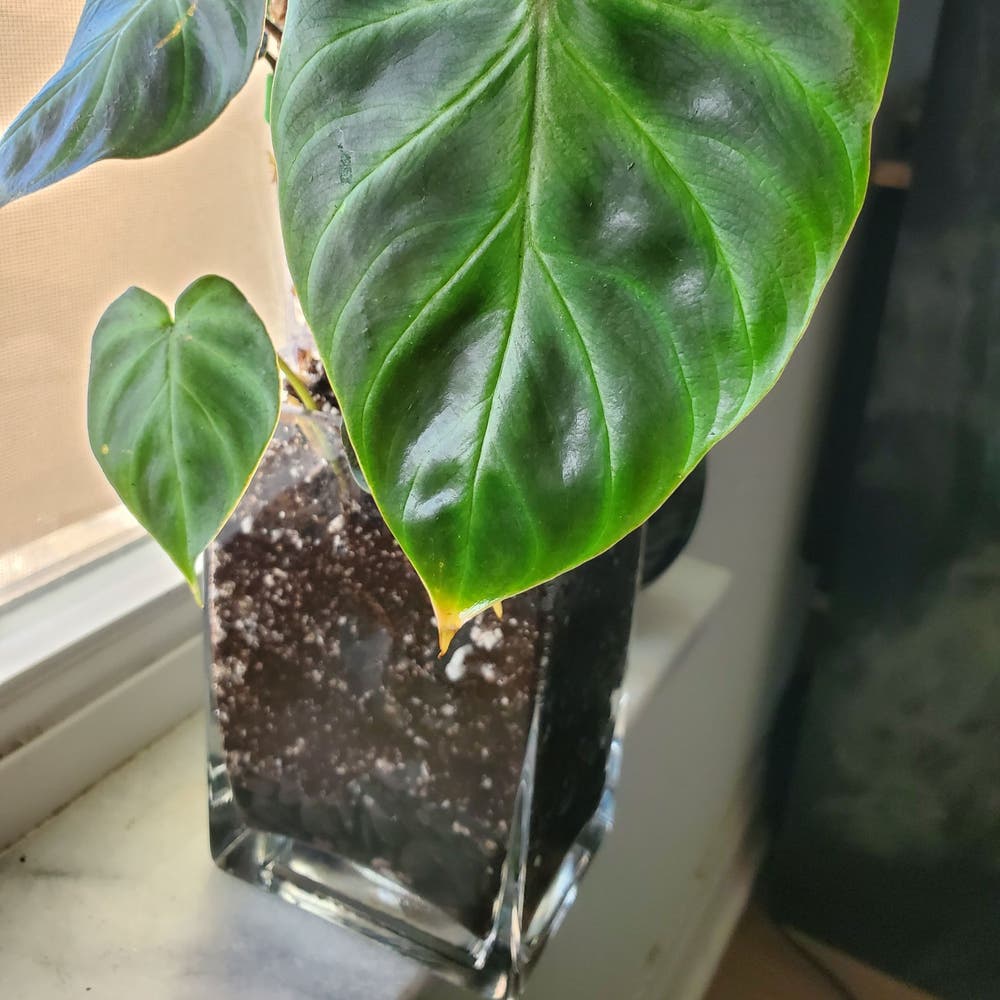
🐝 Ultimate Guide to Pollinating Magnificent Philodendron
Philodendron verrucosum
By the Greg Editorial Team
Oct 04, 2024•7 min read
This article was created with the help of AI so we can cover more plants for you. May contain errors. See one? Report it here.
- 🌼 Magnificent Philodendron flowers attract pollinators with unique structures and sweet nectar.
- 🐝 Bees and butterflies are key pollinators, enhancing genetic diversity through cross-pollination.
- 🌱 Self-pollination ensures survival, but hand pollination boosts fertilization success in tough conditions.
Flower Structure
Description of Characteristics 🌼
The Magnificent Philodendron boasts a unique inflorescence structure, featuring a spadix enveloped by a striking spathe. This arrangement not only adds visual appeal but also plays a crucial role in its reproductive process.
In terms of color, the flowers and spathes typically exhibit shades of green, cream, or even vibrant hues, depending on the specific variety. This colorful display is designed to attract potential pollinators, enhancing the plant's reproductive success.
The arrangement of petals, sepals, stamens, and pistils is meticulously organized. The stamens are positioned to maximize pollen exposure, while the pistils are strategically located to facilitate effective fertilization.
Role in Pollination 🐝
Self-pollination is a fascinating aspect of the Magnificent Philodendron's reproductive strategy. The flower's structure allows for pollen transfer within the same flower, ensuring that fertilization can occur even in the absence of external pollinators.
However, cross-pollination is equally vital. The plant's characteristics, such as its vibrant colors and enticing scents, draw in various pollinators. This interaction not only aids in fertilization but also promotes genetic diversity, which is essential for the plant's resilience and adaptability.
By understanding the intricate flower structure and its role in pollination, we can appreciate the beauty and complexity of the Magnificent Philodendron. This knowledge sets the stage for exploring the pollination process in greater detail.
Pollination Process
🌱 Self-Pollination Mechanisms
The Magnificent Philodendron has evolved mechanisms for self-pollination, allowing it to reproduce even in the absence of external pollinators. This adaptability ensures that the plant can thrive in various environments, maximizing its chances of successful fertilization.
While self-pollination is effective, additional pollination methods can enhance genetic diversity. This diversity is crucial for the plant's resilience and overall health.
🐝 Primary Pollinators
Bees
Bees play a vital role in the pollination of Magnificent Philodendron. Their foraging behavior encourages the transfer of pollen from one flower to another, promoting cross-pollination.
🦋 Butterflies
Butterflies are attracted to the vibrant flowers, contributing to pollination as they flit from bloom to bloom. Their delicate movements help distribute pollen effectively.
🌙 Moths and Hummingbirds
Moths and hummingbirds are also drawn to the flowers, especially during twilight hours. Their unique feeding habits facilitate pollen transfer, ensuring the plant's reproductive success.
🍯 Attraction Mechanisms
Nectar Production
The production of nectar is a key strategy for attracting pollinators. This sweet reward entices various species, encouraging them to visit and pollinate the flowers.
🌸 Flower Scent
Fragrance plays a significant role in attracting pollinators. The alluring scents emitted by the flowers signal to bees, butterflies, and other creatures that a delicious meal awaits, enhancing the likelihood of successful pollination.
Understanding these mechanisms not only highlights the intricate relationships between plants and their pollinators but also sets the stage for exploring natural pollination methods.
Natural Pollination
🌼 Pollen Transfer Mechanisms
Pollen transfer in Magnificent Philodendron primarily occurs through animal activity and wind. Pollinators, such as bees and butterflies, visit the flowers, collecting pollen on their bodies and inadvertently transferring it to other flowers as they move.
Wind also plays a role, albeit a lesser one. It can carry lightweight pollen grains from one flower to another, especially in open environments where the plants are spaced apart.
🌱 Importance for Reproduction and Genetic Diversity
Successful pollination is crucial for seed production in Magnificent Philodendron. When pollen effectively fertilizes the ovules, it leads to the formation of seeds, ensuring the plant's continuation.
Moreover, cross-pollination enhances genetic diversity. This diversity strengthens the plant population, making it more resilient to diseases and environmental changes. Healthy genetic variation is key to thriving in diverse ecosystems.
As we explore the next section, we'll delve into hand pollination techniques, offering practical methods to ensure your Magnificent Philodendron thrives even in less-than-ideal conditions.
Hand Pollination Techniques
Step-by-Step Instructions
Identify Male and Female Flower Parts
To successfully hand pollinate Magnificent Philodendron, start by identifying the male and female flower parts. The male flowers have stamens that produce pollen, while the female flowers feature a pistil, which is crucial for fertilization.Collecting Pollen
Once you've identified the male flowers, gently tap or shake them to release the pollen. You can also use a small brush or cotton swab to collect the pollen directly from the stamens.Transferring Pollen
After collecting the pollen, carefully apply it to the stigma of the female flowers. This can be done using the same brush or swab, ensuring that the pollen makes good contact with the receptive surface.
⏰ Timing for Hand Pollination
Timing is essential for successful hand pollination. The best times to pollinate are early in the morning or late in the afternoon when the flowers are most receptive. Pollination during these times increases the chances of successful fertilization, leading to healthy seed production.
With these techniques in hand, you're well-equipped to enhance the pollination success of your Magnificent Philodendron. Next, let’s explore how to create a pollinator-friendly environment that supports these beautiful plants.
Supporting Pollinators
🌼 Creating a Pollinator-Friendly Environment
To attract pollinators, it's essential to create a welcoming habitat. Pollinators thrive in areas with diverse plant life, providing them with food and shelter.
Consider incorporating native plants, as they are more likely to attract local pollinator species. Additionally, ensure there are water sources nearby, like shallow dishes or birdbaths, to keep them hydrated.
🌿 Practices to Enhance Garden Appeal
Implementing certain practices can significantly boost your garden's appeal to pollinators. Avoid using pesticides, which can harm these beneficial creatures.
Instead, opt for organic gardening methods. Grouping plants in clusters can also make it easier for pollinators to find food sources, enhancing their foraging efficiency.
🌸 Companion Plants
Companion planting can be a game-changer for attracting pollinators. Consider adding flowers like lavender, marigolds, and coneflowers to your garden.
These plants not only draw in bees and butterflies but also create a vibrant ecosystem. Their presence can enhance the pollination success of your Magnificent Philodendron, leading to healthier plants and more abundant seeds.
🌻 Enhancing Pollination Success
Companion plants can provide essential resources for pollinators throughout the growing season. By ensuring a continuous bloom, you keep pollinators engaged and visiting your garden regularly.
This consistent activity increases the chances of successful pollination for your Magnificent Philodendron, ultimately supporting its growth and reproduction.
Creating a pollinator-friendly environment and incorporating companion plants are vital steps in fostering a thriving garden ecosystem. As you nurture these relationships, you'll witness the beauty of nature working in harmony, enhancing both your garden and the surrounding environment.
Pollination Challenges
Common Obstacles 🐝
Pollination success for the Magnificent Philodendron can be significantly impacted by environmental factors. Temperature fluctuations and high humidity levels can hinder the delicate process of pollen transfer, leading to reduced seed production.
Another pressing issue is the decline in pollinator populations. Bees, butterflies, and other essential pollinators are facing threats from habitat loss and pesticide use, which can directly affect the pollination of these beautiful plants.
Solutions for Overcoming Challenges 🌼
To improve pollination success, consider creating a controlled environment that mimics optimal growing conditions. This includes maintaining consistent temperatures and humidity levels, which can help facilitate effective pollen transfer.
Additionally, fostering a pollinator-friendly garden is crucial. Planting native flowers and reducing pesticide use can attract and support local pollinator populations, ensuring that your Magnificent Philodendron thrives.
By addressing these challenges, you can enhance the chances of successful pollination and contribute to the overall health of your plants.
⚠️ Safety First
This content is for general information and may contain errors, omissions, or outdated details. It is not medical, veterinary advice, or an endorsement of therapeutic claims.
Always consult a qualified healthcare professional before using any plant as food, medicine, or supplement.
Never eat any plant (or feed one to pets) without confirming its identity with at least two trusted sources.
If you suspect poisoning, call Poison Control (800) 222-1222, the Pet Poison Helpline (800) 213-6680, or your local emergency service immediately.
Spotted an error? Please report it here.
Unlock the secrets of successful pollination 🌱 for your Magnificent Philodendron with Greg's tailored care tips, ensuring your plants attract the right pollinators and thrive beautifully!