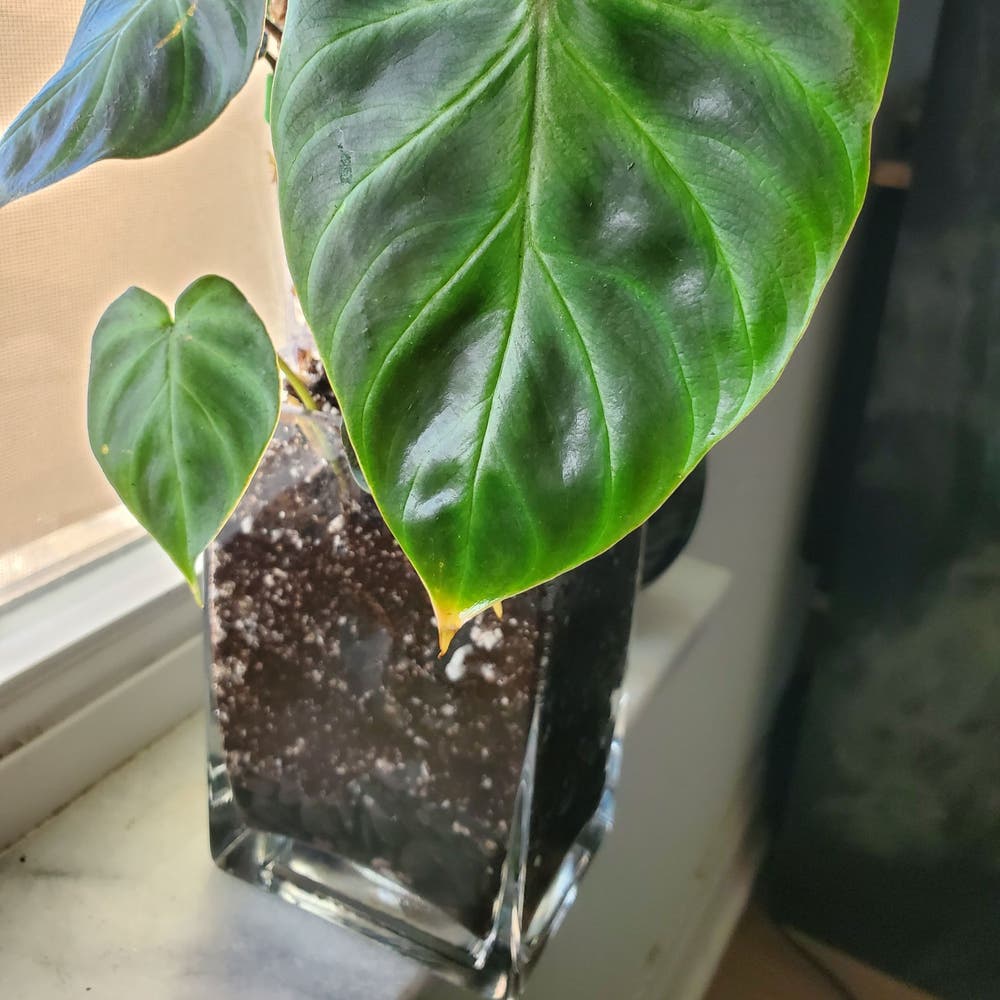
5 Top Pot Choices for Your Philodendron 🪴
Philodendron verrucosum
By the Greg Editorial Team
Oct 04, 2024•5 min read
This article was created with the help of AI so we can cover more plants for you. May contain errors. See one? Report it here.
- 🌱 Choose pot sizes: 4-6 inches for seedlings, 12-14 inches for mature plants.
- 🕵️♂️ Monitor growth: Visible roots mean it's time to repot for healthy development.
- 🧱 Select breathable pots: Clay promotes root health, while plastic retains moisture longer.
Importance of Pot Size for Different Growth Stages
🌱 Seedling Stage
For seedlings, a pot size of 4-6 inches in diameter is ideal. This size allows roots to establish themselves without excess soil that can retain too much moisture.
🌿 Juvenile Stage
As your Magnificent Philodendron transitions to the juvenile stage, opt for a pot size of 8-10 inches in diameter. This provides ample space for root expansion, supporting healthy growth.
🌳 Mature Stage
In the mature stage, your plant will thrive in a pot that is 12-14 inches in diameter or larger. This size accommodates its extensive root system and aerial roots, helping to prevent waterlogging.
⚡️ Growth Rate Considerations
Keep in mind that the Magnificent Philodendron grows rapidly. Regularly monitor pot size to ensure it meets your plant's needs.
Signs that your plant may need a larger pot include roots emerging from drainage holes and stunted growth. Staying attentive to these indicators will help maintain your plant's health and vigor.
With the right pot size at each growth stage, your Magnificent Philodendron will flourish beautifully. Next, let’s explore the various pot materials that can enhance your plant’s growth environment.
Pot Materials
🌱 Clay Pots
Clay pots are a popular choice for many plant enthusiasts. Their breathable material allows for essential air exchange, promoting healthy root growth.
Additionally, clay helps wick moisture away, significantly reducing the risk of root rot. However, they come with some drawbacks. Clay pots are heavier and can break easily, making them less portable. They also tend to dry out faster, which means you might need to water your Magnificent Philodendron more frequently.
🪴 Plastic Pots
Plastic pots offer a lightweight and durable alternative. They retain moisture longer, which is beneficial for those who prefer less frequent watering.
On the downside, plastic pots are less breathable. This can increase the risk of waterlogged conditions, potentially harming your plant's roots.
🍶 Ceramic and Biodegradable Pots
Ceramic pots are not only functional but also aesthetically pleasing. They come in various designs and often include drainage holes, though they can be quite heavy.
Biodegradable pots present an eco-friendly option that decomposes over time. They're excellent for seedlings but may not provide the necessary support for mature plants in the long run.
Choosing the right pot material is crucial for the health of your Magnificent Philodendron. Each option has its unique benefits and drawbacks, so consider your plant's needs and your lifestyle when making a decision.
Next, let’s explore the importance of drainage considerations to ensure your plant thrives.
Drainage Considerations
Importance of Drainage Holes 🌧️
Drainage holes are crucial for your Magnificent Philodendron. They prevent waterlogging, which can lead to root rot and other health issues.
Aim for at least 3-5 drainage holes in your pot. This ensures optimal water flow and keeps your plant thriving.
How to Ensure Proper Drainage 🚰
To promote proper drainage, choose a potting mix that encourages airflow. A blend of peat, perlite, and orchid bark works wonders.
Additionally, elevate your pots slightly using pot feet or stones. This enhances airflow beneath the pot, further reducing the risk of water retention.
By prioritizing drainage, you set the stage for a healthy, vibrant plant. Next, let’s explore the essential guidelines for repotting your Magnificent Philodendron.
Repotting Guidelines
Repotting your Magnificent Philodendron is crucial for its health and growth. Knowing when and how to repot can make all the difference.
🕒 When to Repot
Watch for these signs that indicate it's time to repot:
- Roots Visible Through Drainage Holes: If you see roots peeking out, your plant is likely root-bound.
- Soil Issues: If the soil dries out too quickly or retains too much moisture, it’s a sign that the pot is no longer suitable.
- Stunted Growth: If your plant isn’t thriving despite proper care, it may need more space.
🪴 Steps for Choosing the Right Pot During Repotting
Follow these steps to ensure a smooth repotting process:
- Assess Current Pot Size and Root Health: Check if the roots are healthy and how much space they have.
- Select a New Pot: Choose one that is 1-2 inches larger in diameter than the current pot.
- Ensure Adequate Drainage: Make sure the new pot has enough drainage holes to prevent waterlogging.
- Prepare Fresh Potting Mix: Use a mix that suits Philodendrons, promoting good drainage and aeration.
- Carefully Remove the Plant: Gently take the plant out of the old pot, being cautious not to disturb the roots too much.
- Place in New Pot: Position the plant in the new pot, fill it with potting mix, and ensure it’s stable.
Repotting can seem daunting, but with these guidelines, you’ll set your Magnificent Philodendron up for success. Next, let’s explore common potting mistakes to avoid for a thriving plant.
Common Potting Mistakes
🌱 Overpotting vs. Underpotting
Overpotting is a common pitfall for plant enthusiasts. Selecting a pot that's too large can create excess soil moisture, leading to root rot.
Conversely, underpotting restricts root growth. A pot that’s too small can stunt your Magnificent Philodendron's development, preventing it from thriving.
🚰 Ignoring Drainage Needs
Neglecting proper drainage is a recipe for disaster. Without adequate drainage, your plant may face severe health issues, including root rot.
Make it a habit to regularly check drainage holes for blockages. Ensuring your potting mix remains well-aerated is crucial for your plant's overall health and vitality.
By avoiding these common mistakes, you can help your Magnificent Philodendron flourish. Next, let’s explore the essential drainage considerations to keep your plant thriving.
⚠️ Safety First
This content is for general information and may contain errors, omissions, or outdated details. It is not medical, veterinary advice, or an endorsement of therapeutic claims.
Always consult a qualified healthcare professional before using any plant as food, medicine, or supplement.
Never eat any plant (or feed one to pets) without confirming its identity with at least two trusted sources.
If you suspect poisoning, call Poison Control (800) 222-1222, the Pet Poison Helpline (800) 213-6680, or your local emergency service immediately.
Spotted an error? Please report it here.
Give your Magnificent Philodendron the perfect pot 🪴 with Greg's tailored reminders and expert tips to keep it thriving and growing beautifully!