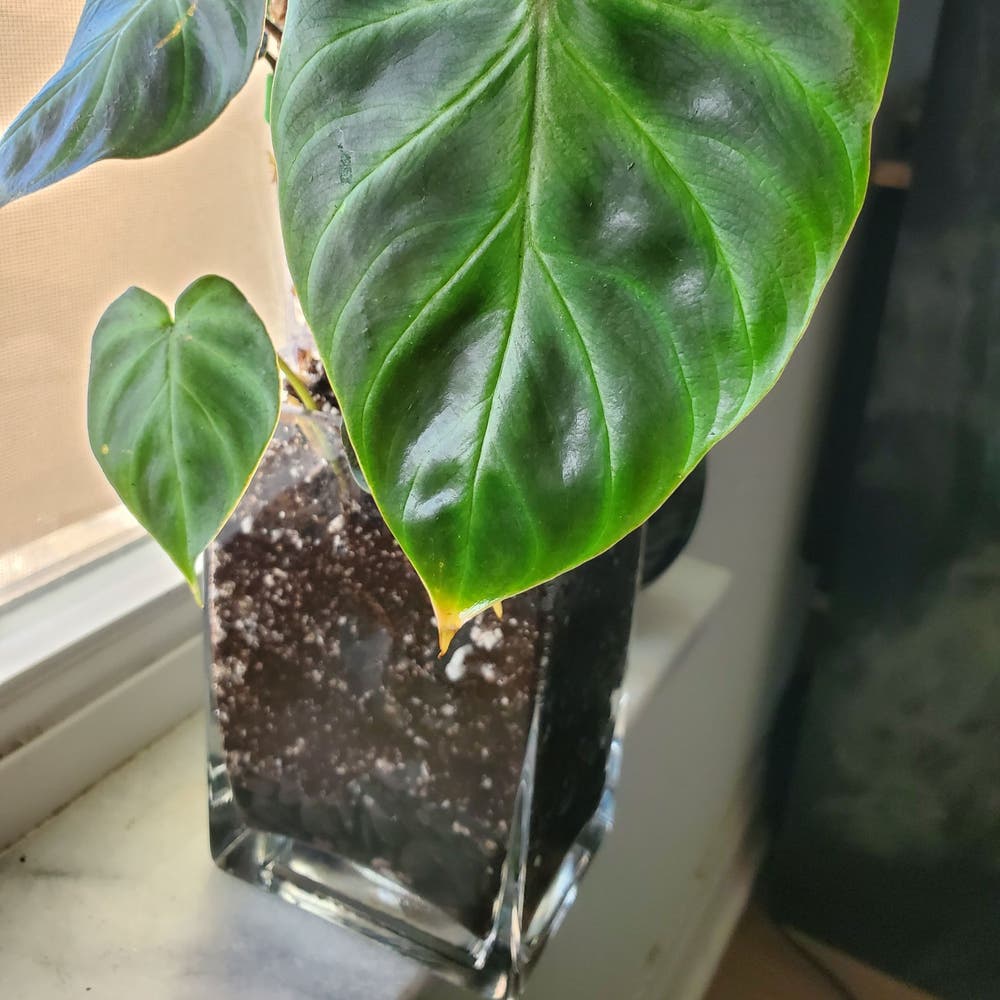
Why Your Philodendron Leaves Are Dropping
Philodendron verrucosum
By the Greg Editorial Team
Oct 04, 2024•5 min read
This article was created with the help of AI so we can cover more plants for you. May contain errors. See one? Report it here.
- 🌱 Leaf drop in Philodendrons often results from overwatering or underwatering issues.
- 🐛 Regular pest inspections can prevent damage from spider mites and aphids.
- 💧 Humidity and temperature stability are crucial for healthy Philodendron leaves.
Diagnosing Leaf Drop Issues
Signs of Overwatering vs. Underwatering 🌊
Understanding the signs of overwatering and underwatering is crucial for your Philodendron's health.
Overwatering indicators include wilting leaves despite wet soil and the presence of root rot. If you notice these symptoms, it’s time to reassess your watering habits.
On the other hand, underwatering manifests as dry, crispy leaves and drooping foliage. If your plant looks parched, it’s a clear signal that it needs more water.
Identifying Pest Problems 🐛
Pests can be a sneaky culprit behind leaf drop. Conduct a visual inspection by checking the undersides of leaves and stems for any unwanted visitors.
Look out for sticky residue and webbing, which are telltale signs of spider mites and aphids. Catching these pests early can save your plant from significant damage.
Recognizing Environmental Stress Indicators 🌡️
Environmental stress can also lead to leaf drop. Leaf curling or browning often indicates low humidity or temperature stress, so keep an eye on your plant's surroundings.
A sudden leaf drop can signal rapid changes in the environment. If you've recently moved your plant or altered its conditions, this could be the reason for its distress.
Assessing Soil Health and Drainage 🪴
Soil health plays a vital role in your Philodendron's well-being. Ensure you have well-draining soil, as this is essential for preventing root rot.
Conduct a drainage test by checking if your pot has adequate drainage holes. Proper drainage allows excess water to escape, keeping your plant healthy and thriving.
By diagnosing these issues early, you can take proactive steps to ensure your Philodendron remains vibrant and lush. Next, let’s explore preventive measures to keep your plant in top shape.
Preventive Measures
Proper Watering Techniques 🌊
Watering your Philodendron correctly is crucial. Use the finger test to check soil moisture; if the top inch feels dry, it’s time to water.
Consistency is key. Avoid extremes in watering to keep your plant's leaves healthy and vibrant.
Ideal Humidity Levels 🌧️
Philodendrons thrive in humidity. Consider using humidity trays or grouping plants together to create a more humid environment.
Invest in a hygrometer to monitor humidity levels accurately. This will help you maintain the ideal moisture for your plant.
Optimal Temperature Range 🌡️
Temperature stability is essential for your Philodendron. Keep it away from drafts and heat sources to avoid stress.
Seasonal adjustments are also important. Monitor temperature changes throughout the year to ensure your plant remains comfortable.
Regular Pest Inspections 🐜
Monthly inspections can save your plant from pest infestations. Check the undersides of leaves and stems for any unwanted visitors.
Incorporate preventive treatments like neem oil or insecticidal soap into your routine. This proactive approach helps keep pests at bay.
By implementing these preventive measures, you can create a nurturing environment for your Philodendron. This foundation will support its health and vitality, paving the way for effective treatment solutions if issues arise.
Treatment Solutions
Adjusting Watering Schedules 🌊
Creating a watering calendar can be a game-changer for your Philodendron. Consider using the Greg plant care app for timely reminders, ensuring your plant gets the right amount of water consistently.
Keep an eye on your plant's leaves and soil moisture. If you notice wilting or overly dry soil, it might be time to adjust your watering routine.
Improving Humidity and Temperature Conditions 🌡️
To raise humidity levels, try grouping your plants together or using a humidifier. These methods can create a more favorable environment for your Philodendron to thrive.
Temperature is equally important. Relocate your plant away from drafts or heat sources to maintain a stable climate.
Pest Control Methods 🐛
Organic Options
Neem oil is a fantastic organic option for pest control. Apply it every couple of weeks, focusing on the undersides of leaves where pests like to hide.
Insecticidal soap is another safe choice for indoor plants. Use it as directed to keep your Philodendron pest-free without harsh chemicals.
Chemical Options
If you notice severe infestations, it may be time to consider chemical treatments. Look for signs like excessive leaf drop or visible pests.
Always follow the manufacturer’s instructions for application. This ensures you’re treating your plant effectively and safely.
Fertilization Practices to Enhance Leaf Health 🌱
For optimal growth, use fertilizers with balanced NPK ratios. This will provide your Philodendron with the essential nutrients it needs.
Timing is crucial; fertilize monthly during the growing season to support robust leaf health.
Soil Amendments for Better Drainage 💧
To improve drainage, consider adding amendments like perlite or coarse sand to your soil mix. These materials help prevent root rot by allowing excess water to escape.
Watch for signs of poor drainage, such as water pooling on the surface or root rot symptoms. If you notice these issues, it may be time to amend your soil for better health.
With these treatment solutions in place, your Philodendron will be on the path to recovery. Next, let’s explore how to care for your plant after it has experienced leaf drop.
Post-Drop Care
How to Care After Leaf Drop 🌱
After experiencing leaf drop, it's crucial to adjust your care routine. Reevaluate your watering habits and environmental conditions to ensure your Philodendron gets the support it needs.
Patience is key during this recovery phase. Allow your plant time to bounce back without making drastic changes too quickly.
Signs of Recovery and Regrowth 🌿
Look for new leaf growth as a positive sign of recovery. Fresh leaves indicate that your plant is regaining its health and vitality.
Monitor the overall vigor of your Philodendron by assessing leaf color and texture. Healthy leaves should be vibrant and firm, signaling that your care adjustments are working.
When to Repot or Change Soil 🪴
Keep an eye out for signs that repotting may be necessary. If your plant appears root-bound or drainage issues arise, it’s time to consider a new pot or soil.
The best time to repot is during the growing season. This minimizes stress on your plant and encourages a smoother transition to its new environment.
As you nurture your Philodendron back to health, remember that every plant has its own pace. With the right care and attention, your magnificent leaves will flourish once again.
⚠️ Safety First
This content is for general information and may contain errors, omissions, or outdated details. It is not medical, veterinary advice, or an endorsement of therapeutic claims.
Always consult a qualified healthcare professional before using any plant as food, medicine, or supplement.
Never eat any plant (or feed one to pets) without confirming its identity with at least two trusted sources.
If you suspect poisoning, call Poison Control (800) 222-1222, the Pet Poison Helpline (800) 213-6680, or your local emergency service immediately.
Spotted an error? Please report it here.
Revive your drooping Philodendron leaves with Greg's tailored care tips 🌱, ensuring optimal watering and pest management for a thriving plant!