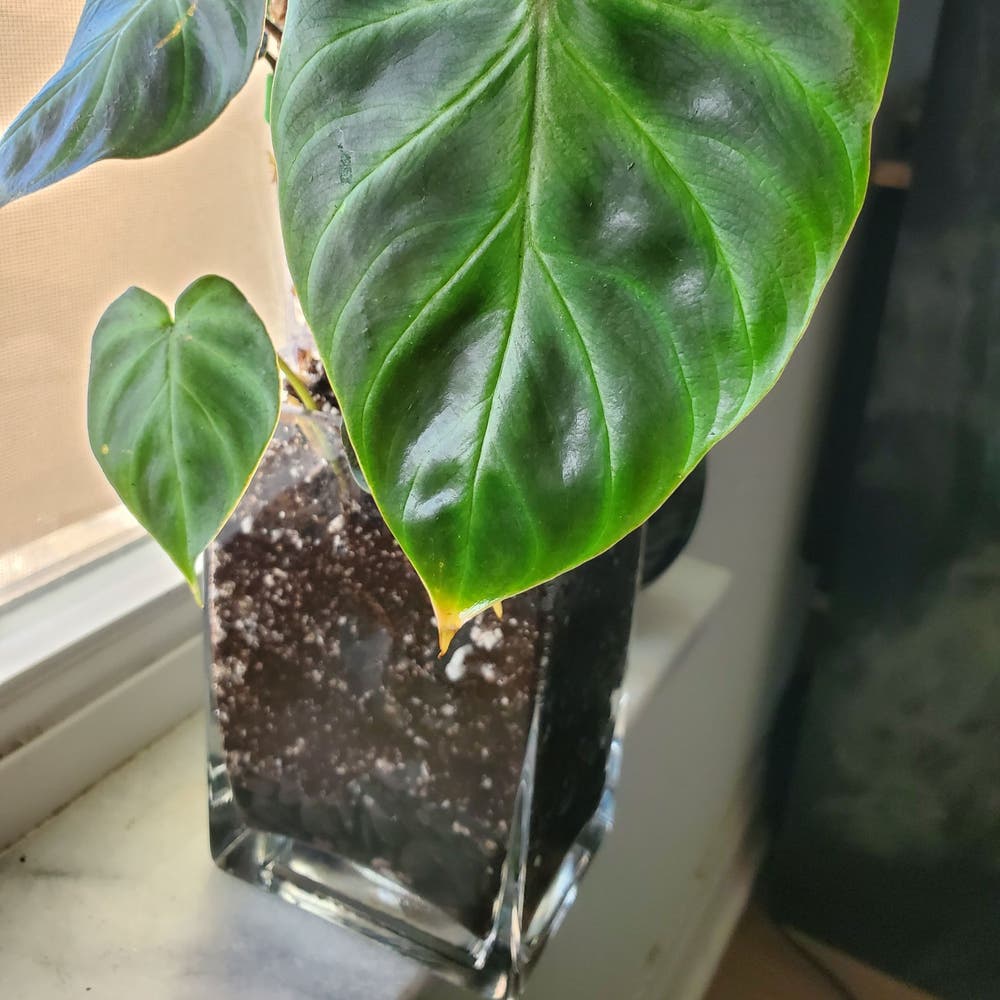
Why Your Philodendron Leaves Are Falling Over 💧
Philodendron verrucosum
By the Greg Editorial Team
Oct 04, 2024•4 min read
This article was created with the help of AI so we can cover more plants for you. May contain errors. See one? Report it here.
- 💧🌱 Overwatering or underwatering causes leaf issues; adjust watering based on soil moisture.
- ☀️ Ensure adequate light for healthy growth; leggy plants need more exposure.
- 🐛🔍 Regular pest checks are essential; inspect leaves and stems for infestations.
Diagnosing the Problem
🌊 Signs of Overwatering vs. Underwatering
Understanding the signs of overwatering and underwatering is crucial for your philodendron's health.
Overwatering is often indicated by consistently wet soil and yellowing leaves. If your plant seems to be drowning, it’s time to adjust your watering habits.
On the other hand, underwatering manifests as dry soil and crispy leaf edges. If your leaves are starting to feel like parchment, they’re likely begging for hydration.
💡 Identifying Light-Related Issues
Light exposure plays a significant role in your plant's vitality.
Start by assessing the location of your philodendron. Is it basking in natural sunlight near a window, or is it relying on artificial light?
Next, observe the growth patterns. Leggy growth suggests your plant is stretching for more light, while compact growth indicates it’s thriving in its current conditions.
🍃 Recognizing Nutrient Deficiency Symptoms
Nutrient deficiencies can lead to noticeable changes in your philodendron's appearance.
Look for leaf color changes, such as yellowing or browning edges. These symptoms often signal that your plant isn’t getting the nutrients it needs.
Additionally, monitor the growth patterns. Slow growth or abnormal leaf shapes can indicate a lack of essential nutrients, so keep an eye out for these signs.
🐛 Checking for Pests and Diseases
Regular inspections are key to maintaining your plant's health.
Make it a habit to look under leaves and at stem joints for any signs of pests. A quick check can save your plant from potential infestations.
For smaller pests, using a magnifying glass can help you spot issues that might otherwise go unnoticed. Staying vigilant will keep your philodendron thriving and pest-free.
By diagnosing these common problems, you can take the first steps toward restoring your magnificent philodendron to its full glory. Next, let’s explore effective treatment solutions to address these issues.
Treatment Solutions
Adjusting Watering Practices 💧
Watering is crucial for your philodendron's health. If you suspect overwatering, follow these steps:
- Allow the soil to dry out completely.
- Reduce your watering frequency to prevent future issues.
On the flip side, if underwatering is the problem, take these actions:
- Soak the soil thoroughly until water drains out.
- Establish a consistent watering schedule to keep your plant hydrated.
Repotting and Soil Replacement 🪴
Sometimes, your plant may need a new home. Look for signs of root rot or compacted soil, which indicate it's time to repot.
When you're ready to repot, follow these steps:
- Gently remove the plant from its pot.
- Trim any damaged roots to promote healthy growth.
- Replace the old soil with fresh, well-draining soil to ensure proper aeration.
Fertilizing to Correct Deficiencies 🌱
Nutrient deficiencies can lead to unhappy leaves. To remedy this, consider using liquid fertilizers for quick absorption.
Make sure to dilute the fertilizer according to the package instructions. This will help your philodendron regain its vibrant health without overwhelming it.
Pest Control Methods 🐛
Pests can be a real nuisance for your philodendron. Opt for organic pest control options like neem oil or insecticidal soap to keep your plant safe.
Regular monitoring is key. Conduct routine checks and maintain overall plant health to prevent infestations from taking hold.
With these treatment solutions, your magnificent philodendron will be on its way to thriving once again. Next, let’s explore long-term care strategies to ensure your plant remains healthy and vibrant.
Long-term Care Strategies
Regular Monitoring of Plant Health 🌱
Routine checks are essential for keeping your philodendron thriving. Regularly observe changes in leaf appearance to catch potential issues early.
Adjust your care based on what you see. If leaves start to yellow or droop, it’s time to reassess your watering or light conditions.
Seasonal Adjustments in Care 🍂
As the seasons change, so should your care routine. In winter, consider increasing humidity to combat dry indoor air.
Also, adjust your watering frequency according to the plant's growth cycles. During active growth in spring and summer, your philodendron may need more water than in the dormant winter months.
Best Practices for Maintaining Humidity 💧
Humidity is key for your philodendron's health. Regular misting can help maintain moisture levels, especially in dry environments.
Using humidity trays filled with water and pebbles is another effective method. This creates a microclimate that keeps your plant happy and hydrated.
Creating a Stable Environment for Growth 🏡
Stability is crucial for your plant's well-being. Avoid placing your philodendron in drafty areas or near sudden temperature changes.
Consistent light exposure is equally important. Ensure your plant receives the right amount of light without abrupt shifts, which can stress it out.
By implementing these long-term care strategies, you'll foster a thriving environment for your magnificent philodendron. Next, let’s explore how to troubleshoot specific issues that may arise.
⚠️ Safety First
This content is for general information and may contain errors, omissions, or outdated details. It is not medical, veterinary advice, or an endorsement of therapeutic claims.
Always consult a qualified healthcare professional before using any plant as food, medicine, or supplement.
Never eat any plant (or feed one to pets) without confirming its identity with at least two trusted sources.
If you suspect poisoning, call Poison Control (800) 222-1222, the Pet Poison Helpline (800) 213-6680, or your local emergency service immediately.
Spotted an error? Please report it here.
Keep your philodendron thriving 🌿 by balancing watering, light, and nutrients, and let Greg provide personalized care tips to help you spot issues early and ensure your plant flourishes!