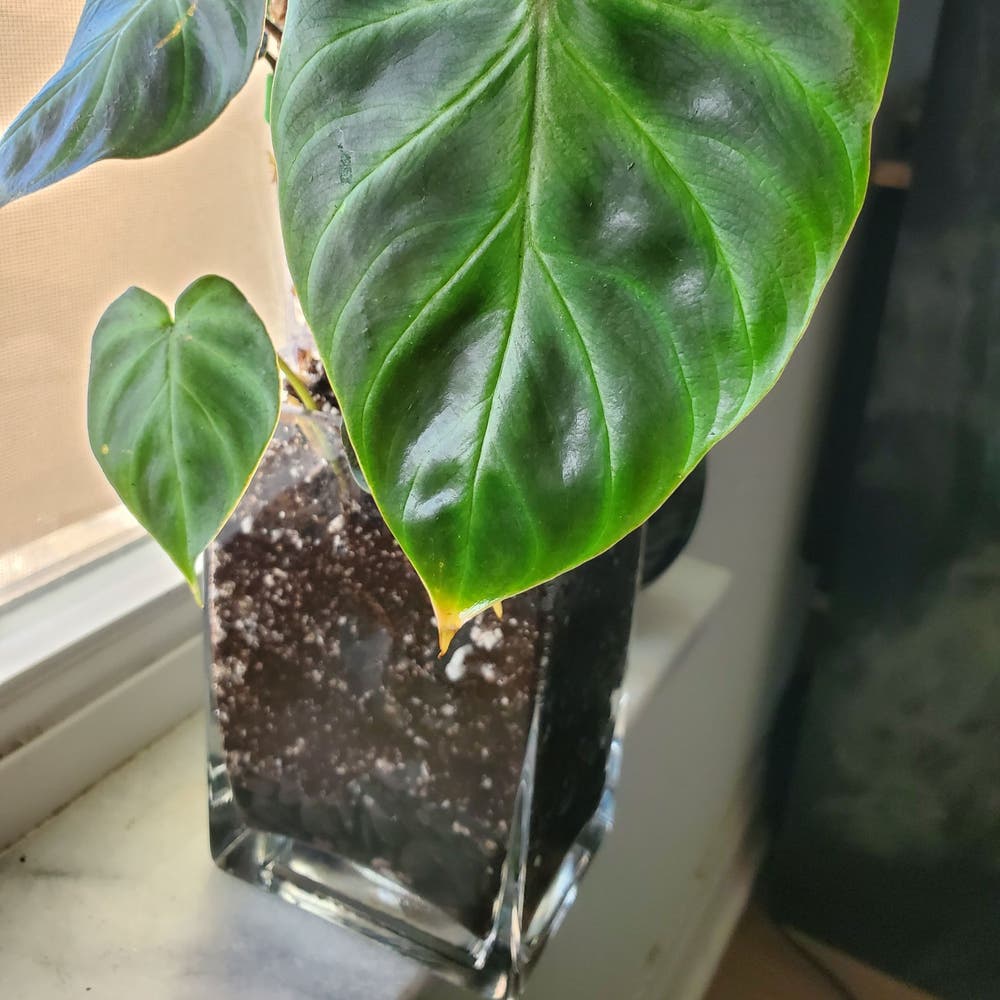
🌸 Why Your Ecuador Philodendron Buds Are Falling Off
Philodendron verrucosum
By the Greg Editorial Team
Sep 30, 2024•5 min read
This article was created with the help of AI so we can cover more plants for you. May contain errors. See one? Report it here.
- 🌡️💧 Environmental stress from temperature and humidity causes Ecuador Philodendron buds to drop.
- 🌱 Nutritional deficiencies weaken plants, making them prone to bud loss. Use balanced fertilizer!
- 🚰 Overwatering or underwatering harms roots, leading to premature bud drop. Maintain consistent moisture.
Common Problems Affecting Flowering
🌼 Premature Flower Drop
Causes of Bud Drop
Environmental stress is a leading cause of premature flower drop in Ecuador Philodendrons. Temperature fluctuations and inconsistent humidity levels can shock the plant, leading to bud loss.
Nutritional deficiencies also play a significant role. A lack of essential nutrients can weaken the plant, making it more susceptible to dropping buds.
Overwatering or underwatering can severely impact root health. Both extremes can stress the plant, resulting in premature bud drop.
Solutions for Bud Drop
To combat bud drop, start by monitoring environmental conditions. Maintaining stable temperature and humidity is crucial for your plant's health.
Adjust your watering practices to ensure consistent soil moisture without waterlogging. This balance is key to keeping your roots happy.
Fertilizing appropriately is another essential step. Use a balanced fertilizer to address any nutrient gaps that may be affecting your plant.
🌸 Failure to Bloom
Potential Causes
Insufficient light is a common culprit behind a failure to bloom. If your plant isn’t getting enough indirect sunlight, it may not produce flowers.
Poor plant health, often due to stress from pests or diseases, can also hinder blooming. A stressed plant simply can’t focus on flowering.
Inappropriate pruning can negatively affect bloom potential. The timing and technique of your pruning matter more than you might think.
Solutions for Failure to Bloom
To optimize blooming, ensure your plant receives 6-8 hours of indirect sunlight daily. This exposure is vital for flower development.
Regularly assess plant health by checking for pests. Treat any infestations promptly to keep your plant thriving.
Prune correctly by removing dead or damaged leaves. This encourages new growth and sets the stage for blooming.
🌺 Abnormal Flower Development
Identifying Abnormalities
Identifying abnormalities in flower development is crucial. Look for deformed flowers that have irregular shapes or sizes.
Color changes, such as fading or unusual hues, can also signal problems. These signs indicate that something is off with your plant.
Causes of Abnormal Flower Development
Nutritional imbalances can lead to abnormal flower development. An excess or deficiency of specific nutrients can disrupt normal growth.
Environmental stress, including fluctuations in humidity and temperature, can also cause issues. Consistency is key to healthy blooms.
Solutions for Abnormal Flower Development
Adjust your fertilization routine to ensure balanced nutrient intake. This will help correct any imbalances affecting your flowers.
Stabilizing environmental conditions is equally important. Maintaining consistent humidity and temperature will promote healthy flower development.
By addressing these common problems, you can enhance the flowering potential of your Ecuador Philodendron. Next, we’ll explore pruning and maintenance techniques that can further encourage blooming.
Pruning and Maintenance
🌸 Pruning Techniques to Encourage Blooming
When and How to Prune for Optimal Flower Development
Pruning is essential for promoting healthy growth and vibrant blooms in your Ecuador Philodendron. The best time to prune is right after flowering; this encourages new growth and prepares the plant for the next blooming cycle.
When pruning, focus on removing dead or damaged leaves and spent flowers. This not only improves the plant's appearance but also directs energy towards new growth.
🧹 Maintenance Practices
Regular Checks for Pests and Diseases Affecting Flowers
Regular maintenance is key to keeping your plant healthy and thriving. Make it a habit to inspect your Ecuador Philodendron for common pests like aphids, spider mites, and mealybugs.
If you spot any pests, consider using organic insecticides or simply wash them off with water. Regular cleaning of the leaves can also help prevent infestations and keep your plant looking its best.
By incorporating these pruning and maintenance practices, you'll set your Ecuador Philodendron up for success. A little attention goes a long way in ensuring your plant remains healthy and blooms beautifully.
Next, let’s dive into effective problem-solving strategies for any flowering issues you may encounter.
Problem-Solving Strategies
🕵️ Diagnosing Flowering Problems
Identifying issues with your Ecuador Philodendron starts with keen observation. Look for signs like dropping buds or a lack of blooms; these changes can signal underlying problems.
Next, correlate these symptoms with environmental and nutritional factors. Is the humidity too low? Are you over or under-watering? Understanding these connections is crucial for effective problem-solving.
🛠️ Solutions for Common Flowering Issues
Step-by-Step Solutions for Each Identified Problem
For bud drop: Adjust your watering and humidity levels. Ensure the soil remains consistently moist but not soggy, and consider using a humidifier to maintain optimal humidity.
For failure to bloom: Optimize light exposure by providing 6-8 hours of indirect sunlight daily. Also, regularly check for pests that could be stressing your plant.
For abnormal development: Balance nutrient intake by using a well-rounded fertilizer. Stabilize environmental conditions to prevent fluctuations that can affect flower quality.
By following these strategies, you can effectively address common flowering issues and promote a healthier, more vibrant Ecuador Philodendron. Next, let’s explore seasonal considerations to further enhance your plant care routine.
Seasonal Considerations
🌸 Understanding the Bloom Cycle
The Ecuador Philodendron typically blooms from spring to early summer. This is the time when your plant is most vibrant and ready to showcase its beautiful flowers.
Adjusting care practices according to the seasons is crucial. As temperatures rise and days lengthen, your plant will need more attention to thrive.
🌼 Preparing for Flowering Season
To enhance flower development, consider these pre-bloom care tips:
- Increase humidity levels: Use a humidifier or pebble trays to create a moist environment.
- Fertilize in advance: Prepare your plant with essential nutrients before blooming begins.
- Monitor light exposure: Ensure your Ecuador Philodendron receives adequate sunlight as the season changes.
By implementing these strategies, you can set your plant up for a successful blooming season. With the right care, your Ecuador Philodendron will flourish, bringing joy and beauty to your space.
Ready to dive deeper into problem-solving strategies for your plant? Let’s explore how to diagnose and tackle common flowering issues next!
⚠️ Safety First
This content is for general information and may contain errors, omissions, or outdated details. It is not medical, veterinary advice, or an endorsement of therapeutic claims.
Always consult a qualified healthcare professional before using any plant as food, medicine, or supplement.
Never eat any plant (or feed one to pets) without confirming its identity with at least two trusted sources.
If you suspect poisoning, call Poison Control (800) 222-1222, the Pet Poison Helpline (800) 213-6680, or your local emergency service immediately.
Spotted an error? Please report it here.
Keep your Ecuador Philodendron thriving 🌿 by using Greg's tailored care tips and reminders to maintain stable conditions and balanced nutrition for stunning blooms!