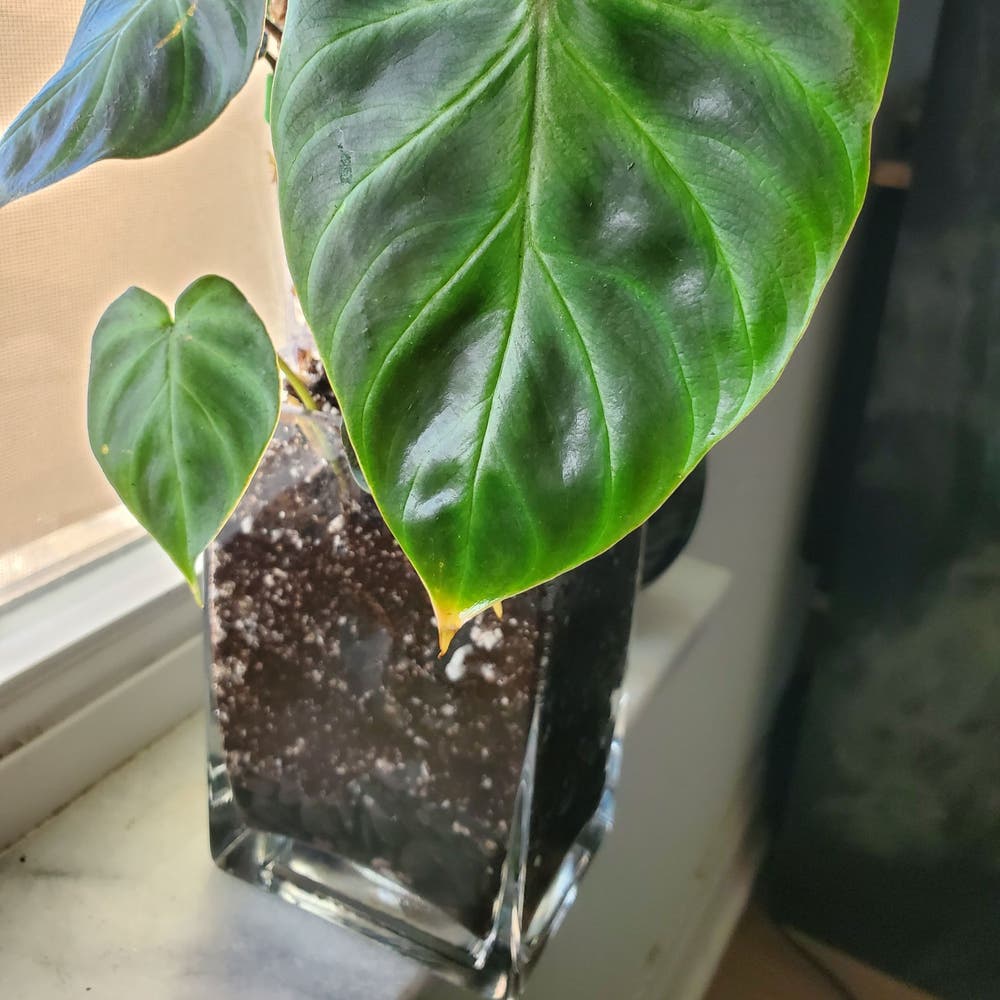
What Temperature Does My Ecuador Philodendron Need?
Philodendron verrucosum
By the Greg Editorial Team
Jun 18, 2024•4 min read
This article was created with the help of AI so we can cover more plants for you. May contain errors. See one? Report it here.
- 65°F to 85°F is ideal for your Ecuador Philodendron's health.
- 🍂 Watch for stress signs like dry margins and yellowing leaves.
- Stability matters: Avoid drafts, direct sunlight, and adjust for seasons.
Spotting the Sweet Spot: Ideal Temperature Range for Your Philodendron
🌡️ What's Too Hot, What's Too Cold
For your Ecuador Philodendron, 65°F to 85°F is the Goldilocks zone. Anything above or below, and you're asking for a fussy plant.
Keeping It Consistent
Stability is key. Use climate control devices to avoid temperature swings that can make your Philodendron sulk. Keep it away from drafts and direct heat sources like radiators or stoves. Remember, your plant doesn't care for sudden plot twists in its climate.

When Your Plant Feels the Heat: Recognizing Temperature Stress
🌡️ Telltale Signs Your Philodendron is Too Toasty or Too Chilly
Dry or brown leaf margins are your first red flag; they're like the plant's way of saying, "I'm not okay." If you see leaves shedding more than your pet in summer, take note. Drooping leaves? Your Philodendron's definitely not doing a happy dance. When leaves start looking like they've been toasted or turn a ghastly shade of yellow, it's a cry for help. And if they curl up like they're trying to hide from the world, it's time to reassess your temperature game.
🌬️ Turning Down the Temperature Trouble
Caught your Philodendron looking a bit crispy? Move it out of the direct sun and into a spot that's more about chill vibes and less about the heat wave. If it's shivering in the cold, find it a cozy nook away from that treacherous draft. Think of it as giving your plant a protective hug from the harsh realities of your home's microclimates. And if Jack Frost has been nipping at your green buddy, prune the damaged bits. It's like a fresh start after a rough patch – a little trim can go a long way. Remember, it's all about keeping your Philodendron's world as stable as a rock – no dramatic temperature swings allowed.

Keeping Your Philodendron Cozy: Preventing Temperature Stress
🌬️ Drafts and Direct Sunlight: Avoiding Common Hazards
Drafts and direct sunlight are the archenemies of your Philodendron's comfort. To shield your plant from these environmental villains, position it wisely. Keep it clear of the unpredictable gusts from windows, doors, and air conditioning vents. Similarly, dodge the harsh rays of direct sunlight, which can scorch leaves faster than a marshmallow at a campfire.
🌦️ Seasonal Shifts: Adapting to Changes
As the seasons change, your Philodendron's needs do too. Stay alert and adjust its location to avoid the chill of winter or the swelter of summer. Think of it like a game of musical chairs, where the goal is to find the spot with the most consistent temperature. In winter, move your plant away from icy windows. In summer, find a spot that offers bright, indirect light without turning your Philodendron into a wilted salad.

A Quick Nod to Humidity
In the realm of plant care, humidity and temperature are the Bonnie and Clyde of the botanical world, notorious for their close partnership. For your Ecuador Philodendron, this duo needs to be in sync to avoid the drama of leaf tantrums and root rot scandals.
💦 Humidity's Role
Humidity acts as your plant's invisible hydration sidekick. 50% is the sweet spot for these tropical natives. Too low, and you'll witness the sorrow of crispy leaves; too high, and you're in a B-movie about foliar diseases.
🛠 Tools of the Trade
Hygrometers are your go-to gadgets for keeping tabs on moisture levels. They're the snitches that tell you when the air's too dry or too damp for your green companion.
🌡 The Temperature-Humidity Tango
As temperature rises, humidity often takes a nosedive. It's a quirky relationship where one's gain is the other's loss. Keep this in mind, especially on those scorching summer days when your Philodendron might need a humidity boost.
🛠 Quick Fixes
If your indoor air resembles the Sahara, it's time to bring in reinforcements. Humidifiers can be your Philodendron's BFF in arid climates, but remember, over-humidifying is like over-watering – nobody likes wet feet for too long.
🌿 Group Therapy
Grouping plants can create a microclimate of shared transpiration, raising humidity levels naturally. It's like a communal sauna where everyone's chill, and your Philodendron is just soaking in the good vibes.
Remember, while temperature is the star of the show, humidity is the director behind the scenes, making sure everything runs smoothly. Keep an eye on both, and your Ecuador Philodendron will be ready for its close-up.
⚠️ Safety First
This content is for general information and may contain errors, omissions, or outdated details. It is not medical, veterinary advice, or an endorsement of therapeutic claims.
Always consult a qualified healthcare professional before using any plant as food, medicine, or supplement.
Never eat any plant (or feed one to pets) without confirming its identity with at least two trusted sources.
If you suspect poisoning, call Poison Control (800) 222-1222, the Pet Poison Helpline (800) 213-6680, or your local emergency service immediately.
Spotted an error? Please report it here.
Keep your Ecuador Philodendron in its happy place with custom reminders 🌡 from Greg to adjust its spot for the perfect temperature and humidity balance!