Magnificent Philodendron: Not an Invasive Plant 🌴
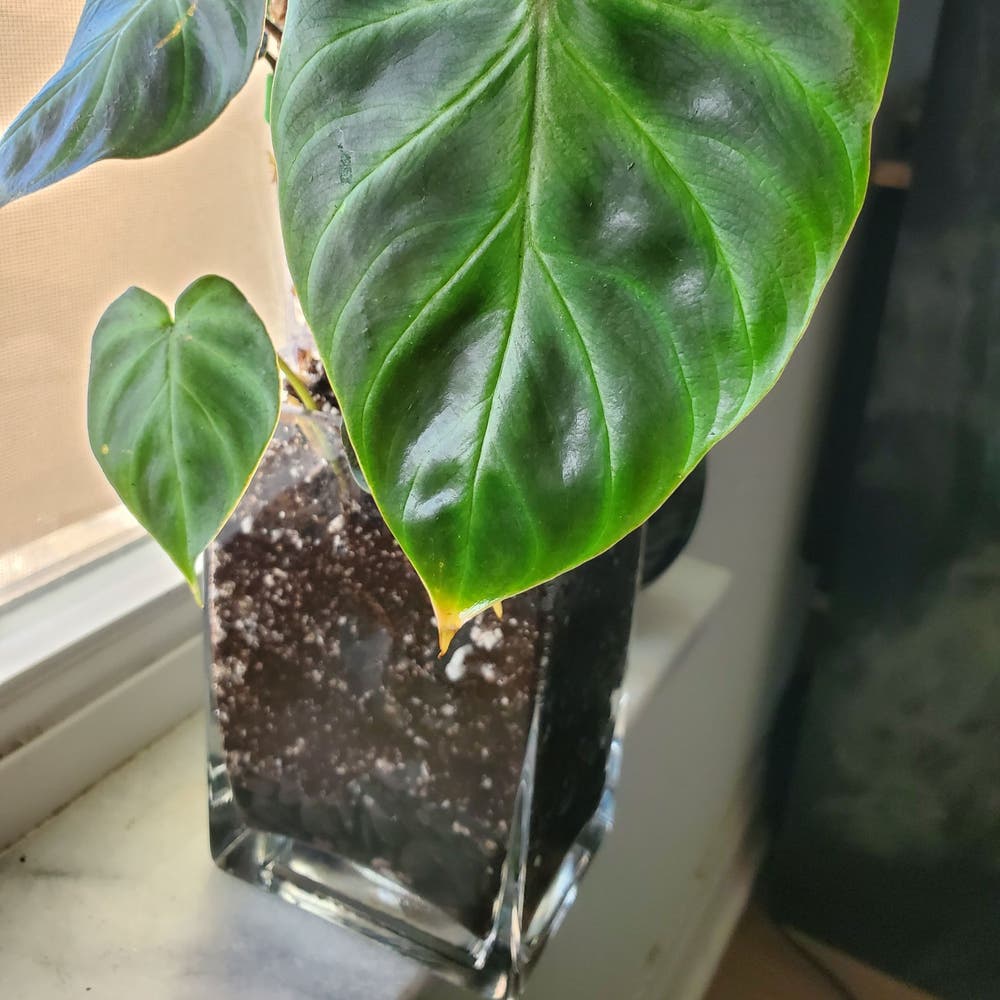
Philodendron verrucosum
By the Greg Editorial Team
Oct 04, 2024•6 min read
This article was created with the help of AI so we can cover more plants for you. May contain errors. See one? Report it here.
- 🌱 The Magnificent Philodendron is non-invasive, coexisting harmoniously with other plants.
- 🌿 Requires support structures for climbing, preventing it from dominating garden spaces.
- 🐝 Attracts beneficial insects, enhancing biodiversity and supporting local wildlife.
Plant Classification
🌱 Definition of Invasive Plants
Invasive plants are species that exhibit rapid growth and spread, often outcompeting native flora. Their aggressive nature can lead to negative impacts on local ecosystems, disrupting the balance and health of the environment.
🌿 Why Magnificent Philodendron is Non-Invasive
The Magnificent Philodendron has a climbing or sprawling growth behavior that requires support, making it less likely to dominate its surroundings. It thrives in various soil types but prefers well-draining, rich organic matter, allowing it to coexist harmoniously with other plants.
This non-invasive nature enables the Magnificent Philodendron to flourish without overwhelming nearby flora. Additionally, its limited spread potential in non-native environments ensures it remains a manageable and attractive addition to gardens.
By understanding these characteristics, gardeners can appreciate the unique role the Magnificent Philodendron plays in enhancing biodiversity without posing a threat to local ecosystems.
As we delve deeper into its growth habits, we’ll explore how to cultivate this stunning plant effectively while maintaining a balanced garden environment.
Growth Habits
Typical Growth Patterns in Gardens 🌿
The Magnificent Philodendron showcases a climbing or sprawling growth form, often needing trellises or support structures. Its large, glossy leaves create a lush, tropical aesthetic that can transform any garden space into a vibrant oasis.
Natural Limits to Growth and Spread Potential 🌍
This plant thrives in warm, humid conditions typical of tropical regions. However, its growth is naturally limited by temperature and moisture levels outside its native habitat, making it less aggressive in cooler climates.
Maintenance ✂️
Regular pruning is essential for controlling the size and shape of the Magnificent Philodendron. This simple practice ensures it fits well within garden designs while promoting healthy growth and a tidy appearance.
By understanding its growth habits, you can effectively incorporate the Magnificent Philodendron into your garden, enhancing both its beauty and functionality. Next, let's explore its ecological role and the benefits it brings to gardens and local ecosystems.
Ecological Role
Benefits in Gardens and Ecosystems 🌼
The Magnificent Philodendron plays a vital role in enhancing biodiversity. By attracting beneficial insects and pollinators, it contributes significantly to a thriving ecosystem.
This plant also provides essential habitat and food sources for local wildlife. Its lush foliage creates a welcoming environment for various creatures, promoting a balanced ecosystem.
Positive Interactions with Local Wildlife 🐝
One of the standout features of the Magnificent Philodendron is its nectar-rich flowers. These blooms are particularly appealing to bees and butterflies, making the plant a magnet for these essential pollinators.
Additionally, the large leaves offer shelter for small creatures. This protective canopy not only supports wildlife but also enriches the garden's overall ecological health.
The Magnificent Philodendron's contributions to biodiversity and wildlife interactions make it a fantastic choice for any garden. As we explore its growth habits next, we’ll see how its unique characteristics further enhance its appeal in various landscapes.
Garden Management
Incorporating into Garden Designs 🌿
The Magnificent Philodendron shines as a stunning focal point in tropical-themed gardens. Its lush, large leaves create a vibrant atmosphere, making it an eye-catching addition.
Pairing it with other non-invasive plants enhances the overall landscape. Consider combining it with ferns or bromeliads for a harmonious, layered effect that celebrates biodiversity.
Growth Control Methods for Aesthetic Purposes ✂️
To maintain its beauty, regular pruning is essential. Trim back overgrown areas to keep the plant's size and shape in check, ensuring it fits seamlessly into your garden design.
Using trellises can also guide its growth, preventing it from sprawling too much. This not only supports the plant but adds vertical interest to your garden.
Monitoring 🔍
Regular inspections are key to successful garden management. Check to ensure the Magnificent Philodendron doesn’t encroach on neighboring plants, allowing for a balanced ecosystem.
By staying proactive, you can enjoy the beauty of this plant while maintaining a healthy garden environment. This approach fosters a thriving space for both plants and wildlife.
As you explore these management techniques, consider how they can enhance your overall gardening experience. Transitioning to the next section, let’s delve into the unique qualities of the Magnificent Philodendron compared to other plants.
Comparison to Other Plants
🌱 Comparison with Similar Non-Invasive Plants
When considering non-invasive tropical plants, the Magnificent Philodendron stands out alongside popular choices like Monstera and Pothos. While all three thrive in similar conditions, the Magnificent Philodendron boasts larger leaves and a more pronounced climbing ability, making it a striking addition to any garden.
Monstera, known for its unique leaf perforations, offers a different aesthetic, while Pothos is celebrated for its trailing vines. However, the Magnificent Philodendron's robust growth and lush foliage create a dramatic effect that can elevate any landscape.
✨ Unique Qualities
One of the most captivating features of the Magnificent Philodendron is its large, glossy leaves. These leaves not only enhance the visual appeal of gardens but also contribute to a vibrant, tropical atmosphere.
Additionally, this plant's versatility allows it to fit seamlessly into various garden styles. Whether you're aiming for a lush tropical retreat or a sleek modern design, the Magnificent Philodendron can adapt beautifully, making it a favorite among gardeners.
As we explore its ecological role next, you'll see how this plant not only beautifies spaces but also supports local wildlife.
Legal and Environmental Considerations
Relevant Classifications and Guidelines 🌱
When incorporating Magnificent Philodendron into your garden, it's essential to check local regulations regarding non-invasive species. Many regions have guidelines to help gardeners make informed choices that support local ecosystems.
Sourcing plants from reputable nurseries is crucial. This practice minimizes the risk of misidentification, ensuring you bring home the right species that won't disrupt your garden's balance.
Fit within Sustainable Gardening Practices 🌍
Integrating Magnificent Philodendron into your landscape supports biodiversity and enhances ecosystem health. By choosing non-invasive plants, you contribute to a thriving environment that benefits both flora and fauna.
Responsible gardening practices encourage a harmonious relationship with nature. Opting for plants like the Magnificent Philodendron not only beautifies your space but also fosters a sustainable ecosystem that can flourish for years to come.
As you plan your garden, consider how these choices impact the environment. This mindful approach will lead to a more vibrant and resilient garden, setting the stage for the next topic on garden management.
⚠️ Safety First
This content is for general information and may contain errors, omissions, or outdated details. It is not medical, veterinary advice, or an endorsement of therapeutic claims.
Always consult a qualified healthcare professional before using any plant as food, medicine, or supplement.
Never eat any plant (or feed one to pets) without confirming its identity with at least two trusted sources.
If you suspect poisoning, call Poison Control (800) 222-1222, the Pet Poison Helpline (800) 213-6680, or your local emergency service immediately.
Spotted an error? Please report it here.
Transform your garden with the Magnificent Philodendron 🌱, a non-invasive beauty that thrives with Greg's personalized care tips and reminders to help it flourish harmoniously in your space!