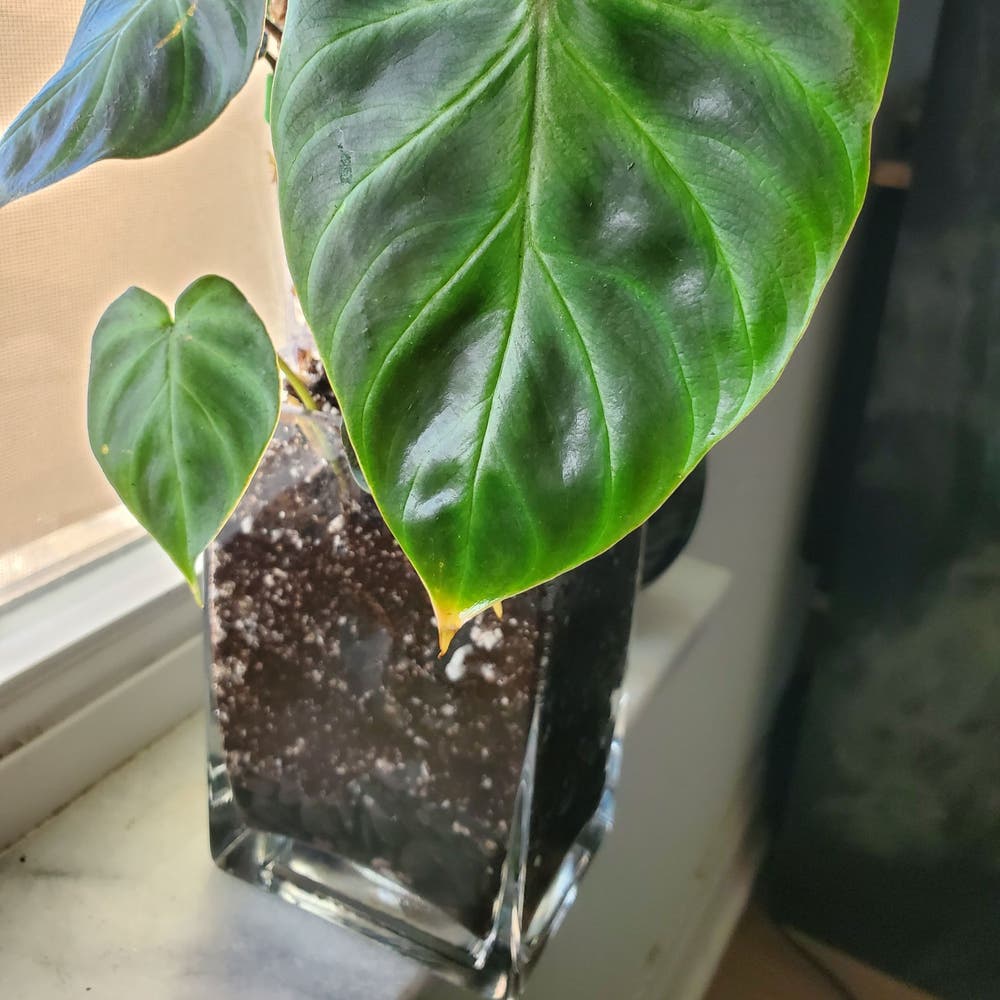
😢 Why Your Philodendron Is Not Doing Well
Philodendron verrucosum
By the Greg Editorial Team
Oct 04, 2024•5 min read
This article was created with the help of AI so we can cover more plants for you. May contain errors. See one? Report it here.
- 🌱 Signs of distress include yellow leaves and wilting; monitor closely for health.
- 💧 Watering balance is crucial; avoid overwatering and underwatering for optimal growth.
- ☀️ Light conditions matter; provide bright, indirect light to prevent leggy growth.
Recognizing Unhealthy Plants
🚩 Signs of an unhealthy plant
When your Magnificent Philodendron starts showing signs of distress, it's crucial to act quickly. Here are some common indicators that your plant may not be thriving.
💛 Yellowing Leaves
Yellowing leaves are often the first sign of stress or nutrient deficiency. If you notice this, it could mean your plant is struggling to absorb essential nutrients.
🌊 Wilting or Drooping
Wilting or drooping leaves suggest issues with watering or root health. This could indicate either overwatering or underwatering, both of which can be detrimental.
🦠 Fuzzy Growth
Fuzzy growth on your plant can be a potential sign of a fungal infection. If you see this, it's time to investigate further and take action.
📏 Leggy Growth
Leggy growth occurs when your plant stretches toward light, indicating insufficient light or support. This can lead to an unbalanced appearance and weakened stems.
Recognizing these signs early can make a significant difference in your plant's recovery. By addressing these issues promptly, you can help your Magnificent Philodendron return to its vibrant self.
Next, let's explore some common problems that could be affecting your plant's health.
Common Problems
💧 Incorrect Watering
Identifying Overwatering and Underwatering
Overwatering can manifest as yellowing leaves, mushy stems, and root rot. Conversely, underwatering leads to wilting, dry leaves, and crispy edges.
Causes and Effects
The primary cause of overwatering is poor drainage or watering too frequently. Underwatering typically results from infrequent watering or a dry environment.
Steps to Resolve
- Check Soil Moisture: Use a moisture meter or your finger to test the soil.
- Adjust Watering Schedule: Water when the top inch of soil feels dry.
- Improve Drainage: Opt for well-draining soil and pots with drainage holes.
💡 Incorrect Light Conditions
Symptoms of Inadequate or Excessive Light
Inadequate light results in leggy growth, yellowing leaves, and slow growth. Excessive light can cause scorched leaves, browning tips, and faded color.
Causes and Effects
Inadequate light usually stems from insufficient indirect sunlight. Excessive light often occurs due to direct sunlight exposure or overly bright conditions.
Steps to Resolve
- Assess Light Conditions: Move your plant to a location with bright, indirect light.
- Use Sheer Curtains: Filter harsh sunlight while still allowing light to penetrate.
- Rotate the Plant: Ensure even light exposure on all sides.
🐛 Pests and Diseases
Common Pests Affecting Magnificent Philodendron
Spider mites leave fine webbing and stippled leaves, while mealybugs appear as white, cotton-like masses on stems and leaves.
Identification and Symptoms
Check the undersides of leaves for pests and look for signs of damage, such as yellowing or wilting.
Treatment Options
- Manual Removal: Wipe leaves with a damp cloth to remove pests.
- Insecticidal Soap: Apply according to the instructions.
- Neem Oil: Use as a preventive measure.
Common Diseases
Watch for powdery mildew, rust, black rot, and blight. Each presents unique symptoms, like white spots or rapid wilting.
Symptoms and Identification
Inspect leaves regularly for discoloration or spots to catch issues early.
Treatment and Prevention
- Improve Air Circulation: Space plants adequately to promote airflow.
- Remove Affected Leaves: Dispose of them properly to prevent spread.
- Use Fungicides: Apply as needed for severe cases.
🌱 Root and Leaf Problems
Identifying Root Rot and Squishy Roots
Root rot presents as dark, mushy roots with a foul smell, while squishy roots indicate overwatering.
Causes and Effects
Both issues stem from overwatering and poor drainage.
Steps to Resolve
- Remove the Plant from the Pot: Inspect roots for signs of rot.
- Trim Affected Roots: Use sterilized scissors to cut away damaged areas.
- Repot in Fresh, Well-Draining Soil: This helps restore health.
Symptoms of Leaf Issues
Scorching appears as brown tips and edges from too much light. Yellowing can indicate nutrient deficiency or overwatering, while fuzzy growth suggests a fungal infection.
Steps to Resolve
- Adjust Light Conditions: Move the plant to a more suitable location.
- Monitor Watering: Ensure proper moisture levels are maintained.
- Treat Fungal Infections: Use appropriate fungicides as needed.
🌿 Growth Problems
Identifying Issues Like Not Growing, Not Fruiting, Leaning, Leggy, and Etiolated
Stagnation can occur due to poor conditions, while lack of fruiting often results from insufficient light or nutrients. Leaning indicates insufficient support or uneven light, and leggy growth suggests stretching towards light.
Causes and Effects
These problems are typically caused by poor light, nutrient deficiencies, or lack of support.
Steps to Resolve
- Provide Adequate Support: Use stakes or trellises to help your plant stand tall.
- Adjust Light Exposure: Ensure your plant receives bright, indirect light.
- Fertilize Appropriately: Use a balanced fertilizer during the growing season to encourage growth.
By addressing these common problems, you can help your Magnificent Philodendron thrive. Next, let’s explore preventive measures to keep your plant healthy and vibrant.
Preventive Measures
Best Practices for Healthy Growth 🌱
To keep your Magnificent Philodendron thriving, regularly check the soil moisture and adjust your watering schedule accordingly. Ensuring proper light conditions is also crucial; rotate your plants to promote even growth.
Importance of Regular Monitoring 🔍
Regular monitoring is key to early detection of potential issues, leading to better outcomes for your plant. This proactive approach helps maintain overall plant health, allowing you to catch problems before they escalate.
Using the Greg Plant Care App for Reminders 📱
Consider using the Greg plant care app to set reminders for watering, fertilizing, and monitoring conditions. This handy tool offers tailored care tips based on your plant's specific needs, making it easier to provide the best environment for your Philodendron.
By implementing these preventive measures, you can foster a healthy and vibrant plant. Next, let’s dive into the common problems that can affect your Philodendron and how to address them effectively.
⚠️ Safety First
This content is for general information and may contain errors, omissions, or outdated details. It is not medical, veterinary advice, or an endorsement of therapeutic claims.
Always consult a qualified healthcare professional before using any plant as food, medicine, or supplement.
Never eat any plant (or feed one to pets) without confirming its identity with at least two trusted sources.
If you suspect poisoning, call Poison Control (800) 222-1222, the Pet Poison Helpline (800) 213-6680, or your local emergency service immediately.
Spotted an error? Please report it here.
Revive your Magnificent Philodendron by spotting distress signs and adjusting care, and let Greg guide you with tailored tips 🌿 to create the ideal environment for thriving growth!