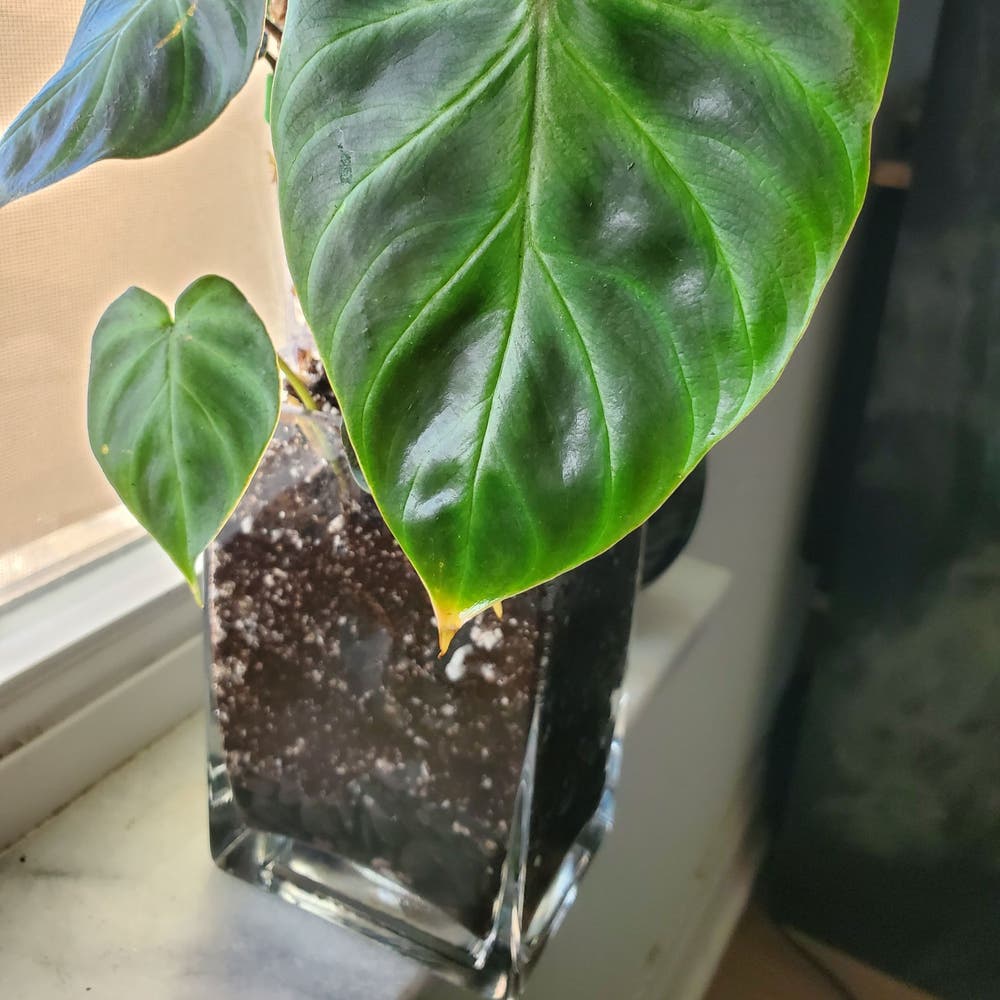
How Long a Magnificent Philodendron Lives
Philodendron verrucosum
By the Greg Editorial Team
Oct 04, 2024•6 min read
This article was created with the help of AI so we can cover more plants for you. May contain errors. See one? Report it here.
- 🌱 Germination takes 2-4 weeks; optimal conditions are 70-85°F and 70-80% humidity.
- 🌿 Mature philodendrons can reach 10 feet tall, thriving with proper care and conditions.
- 🌼 Flowering occurs 2-5 years post-planting, needing ideal light and humidity for success.
Germination Stage
🌱 Duration of Germination
The typical germination period for a magnificent philodendron ranges from 2 to 4 weeks. This timeframe can vary based on several factors, including temperature, moisture levels, and the quality of the seeds.
🌡️ Conditions for Successful Germination
To ensure successful germination, maintain an optimal temperature range of 70°F to 85°F (21°C to 29°C). High humidity levels, ideally around 70-80%, are crucial, along with well-draining soil rich in organic matter to support healthy growth.
Creating the right environment during this initial stage sets the foundation for a thriving plant. With the right conditions, your philodendron will be on its way to a vibrant life.
As we move forward, let's explore the seedling stage and what to expect as your plant begins to grow.
Seedling Stage
Length of Seedling Development 🌱
The seedling stage lasts about 4 to 8 weeks, during which the plant develops its true leaves. Light and moisture levels play a crucial role in this growth phase, so providing the right conditions is essential.
Key Characteristics of Seedlings 🌿
Seedlings start with small, unlobed leaves that give them a unique appearance. They grow compact and upright, establishing a strong root system that includes aerial roots, which help them absorb nutrients and climb.
As seedlings mature, they set the stage for the magnificent growth that follows. Understanding these early characteristics can enhance your care routine, ensuring your Philodendron thrives as it transitions to the next growth stage.
With a solid foundation in place, let’s explore the vegetative growth stage and what it entails.
Vegetative Growth Stage
🌱 Duration of Vegetative Growth
The vegetative growth stage of a magnificent philodendron can last anywhere from 6 months to several years. This variability largely depends on environmental conditions, with the plant capable of growing several feet in a single growing season.
🍃 Changes in Leaf Structure and Size
As the plant matures, you'll notice a striking transformation in its leaves. Juvenile leaves give way to larger, more lobed mature leaves, which can reach impressive lengths of up to 3 feet.
☀️ Adaptations for Photosynthesis
These changes aren't just aesthetic; they enhance the plant's ability to photosynthesize. The increased leaf surface area allows for more efficient light absorption, fueling the plant's growth and vitality.
This stage is crucial for establishing a robust foundation for future growth, setting the stage for flowering and seed production. As you nurture your philodendron, keep an eye on these developments, as they signal its journey toward maturity.
Flowering Stage
Timeframe for Flowering 🌸
The magnificent Philodendron typically flowers 2 to 5 years after planting. Achieving this beautiful stage requires optimal light, humidity, and nutrient levels.
Description of Flowers and Pollination 🐝
When it flowers, the plant produces a unique structure known as a spadix, which is surrounded by a spathe. While it primarily self-pollinates, it can also attract insects in its natural habitat, enhancing its reproductive success.
Understanding the flowering stage is crucial for any plant enthusiast. As we transition to seed production, let’s explore how these flowers lead to the next exciting phase in the life cycle of the magnificent Philodendron.
Seed Production
🌱 Overview of Seed Production Process
Pollination is the first step in the seed production process for the magnificent philodendron. Once pollinated, the plant develops fruit in the form of berries that contain seeds.
These berries are crucial for the continuation of the species. Seed dispersal can occur through natural processes, like birds eating the fruit, or through manual collection by gardeners eager to propagate new plants.
⏳ Duration and Conditions for Seed Maturation
After pollination, it typically takes about 3 to 6 months for the seeds to mature.
Warm and humid conditions are essential for enhancing seed viability, making a cozy environment vital for successful maturation.
By understanding these stages, you can appreciate the intricate journey from flower to seed, setting the stage for future growth.
Next, we'll explore how long it takes for a magnificent philodendron to reach full maturity.
Growth Rate and Maturation
How Long Until Fully Grown? 🌱
The magnificent Philodendron typically reaches full maturity in 5 to 10 years under ideal conditions. When fully grown, these plants can soar up to 10 feet tall, making them a stunning addition to any space.
Factors Influencing Growth Rate 🌿
Several key factors can significantly influence the growth rate of your Philodendron:
- Light Exposure: Bright, indirect light is crucial for promoting faster growth. Too little light can stunt development.
- Watering Frequency: Consistent moisture is essential, but avoid waterlogging to prevent root rot.
- Nutrient Availability: Regular fertilization during the growing season helps ensure your plant has the nutrients it needs to thrive.
Comparison of Growth Rates in Different Environments 🌍
The environment plays a pivotal role in how quickly your Philodendron grows:
- Indoor vs. Outdoor Growth: Outdoor plants generally grow faster due to more favorable natural conditions, including sunlight and humidity.
- Impact of Pot Size: Using larger pots can support faster root development, allowing the plant to absorb more nutrients and water.
Understanding these factors can help you create the best conditions for your Philodendron, ensuring it grows strong and healthy. As you nurture your plant, you'll witness its transformation, making the journey as rewarding as the destination.
Next, we’ll explore the notable changes throughout the life cycle of the magnificent Philodendron, highlighting its physical evolution and care requirements.
Notable Changes Throughout Life Cycle
🌱 Physical Changes During Each Growth Stage
As your magnificent Philodendron transitions from a seedling to a mature plant, you'll notice a remarkable increase in leaf size and complexity. This transformation is not just aesthetic; it signifies the plant's growing ability to photosynthesize efficiently.
The development of aerial roots is another fascinating change. These roots enhance the plant's climbing ability and improve nutrient absorption, allowing it to thrive in its environment.
🧑🌾 Changes in Care Requirements as the Plant Matures
With growth comes the need for adjusted care. As your Philodendron grows larger, you'll need to modify your watering routine to ensure it receives adequate moisture without becoming waterlogged.
Fertilization also becomes crucial during the vegetative growth stage. The plant's increased nutrient requirements will help sustain its rapid growth and vibrant health.
🌍 Environmental Adaptations Over Time
Your Philodendron will adapt to its indoor conditions as it matures. This may include the need for supplemental lighting to mimic its natural habitat, ensuring it continues to flourish.
Additionally, the plant's response to humidity changes can be quite pronounced. In drier environments, you may notice the aerial roots becoming more prominent, showcasing the plant's resilience and adaptability.
These notable changes throughout the life cycle of a Philodendron not only reflect its growth but also highlight the evolving care it requires. Understanding these dynamics will help you nurture your plant effectively as it matures.
⚠️ Safety First
This content is for general information and may contain errors, omissions, or outdated details. It is not medical, veterinary advice, or an endorsement of therapeutic claims.
Always consult a qualified healthcare professional before using any plant as food, medicine, or supplement.
Never eat any plant (or feed one to pets) without confirming its identity with at least two trusted sources.
If you suspect poisoning, call Poison Control (800) 222-1222, the Pet Poison Helpline (800) 213-6680, or your local emergency service immediately.
Spotted an error? Please report it here.
Nurture your magnificent philodendron through every growth stage with Greg's tailored care reminders 🌿, ensuring it thrives from seedling to maturity!