🌸 7 Common Philodendron Flowering Issues
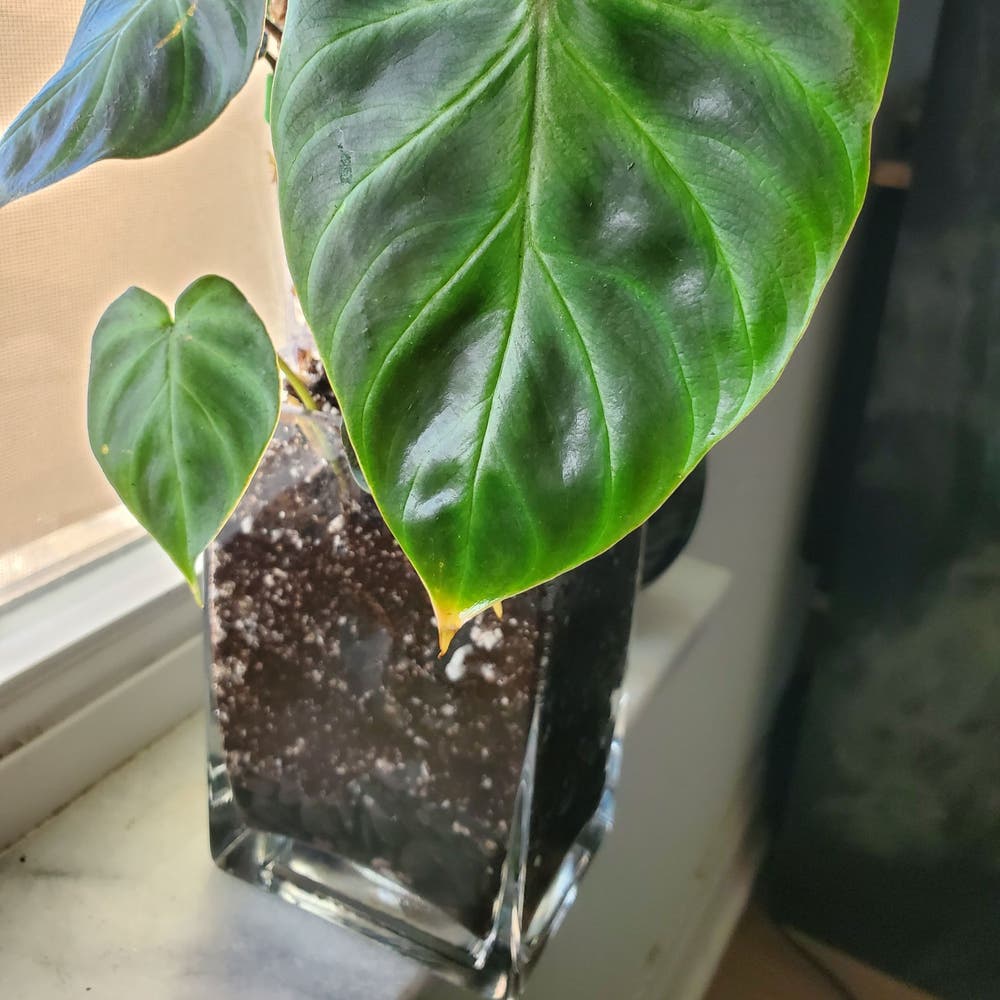
Philodendron verrucosum
By the Greg Editorial Team
Oct 04, 2024•5 min read
This article was created with the help of AI so we can cover more plants for you. May contain errors. See one? Report it here.
- 🌞 Adequate light and nutrients are essential for philodendron blooms; adjust accordingly.
- 💧 Watering balance is crucial; avoid overwatering and underwatering for healthy roots.
- 🌿 Regular maintenance and pest management ensure vibrant flowering in philodendrons.
Failure to Bloom
🌞 Causes
Insufficient Light
Adequate light is crucial for triggering the bloom cycle in philodendrons. If your plant is showing signs of stunted growth or fewer leaves, it might be a sign that it's not getting enough light.
Nutrient Deficiencies
Phosphorus and potassium are key nutrients for flowering. If you notice yellowing leaves or poor growth, your plant may be lacking these essential nutrients.
Improper Watering
Both overwatering and underwatering can severely affect root health. Signs of improper watering include wilting or root rot, which can prevent your philodendron from blooming.
🌱 Solutions
Adjusting Light Exposure
To encourage blooming, aim for bright, indirect light. Reposition your plant near a window or in a well-lit room to optimize its light exposure.
Fertilization Tips
Using the right type of fertilizer can make a significant difference. Opt for balanced or bloom-specific fertilizers and apply them every 4-6 weeks during the growing season for best results.
Watering Techniques
Maintaining consistent moisture is vital for healthy blooms. Ensure your philodendron is in well-draining soil to prevent waterlogging, which can lead to root issues.
By addressing these common causes and implementing effective solutions, you can help your philodendron thrive and bloom beautifully. Next, let’s explore the issue of premature flower drop and how to prevent it.
Premature Flower Drop
🌪️ Causes
Environmental Stress
Sudden changes in light, humidity, or temperature can lead to environmental stress in philodendrons. You might notice drooping leaves or wilting as signs that your plant is feeling overwhelmed.
Overwatering
Excess moisture can severely affect flower retention. If you see soggy soil or root issues, it’s a clear indication that you might be overwatering your plant.
Temperature Fluctuations
Philodendrons thrive in a temperature range of 65°F to 80°F (18°C to 27°C). Cold drafts or heat sources can disrupt this balance, leading to premature flower drop.
🛠️ Solutions
Stabilizing Environment
To combat environmental stress, maintain consistent temperature and humidity levels. Consider using humidifiers or heat mats if your home environment fluctuates too much.
Proper Watering Schedule
Establish a watering routine based on the season. Always allow the soil to dry between waterings to prevent sogginess and promote healthy roots.
Temperature Management
Be mindful of where you place your philodendron. Avoid spots near vents or windows, and regularly monitor temperature changes throughout the day to keep your plant happy.
By addressing these common causes and implementing effective solutions, you can help your philodendron thrive and enjoy its beautiful blooms. Next, let’s explore how pruning can impact flowering and overall plant health.
Abnormal Flower Development
🌱 Causes
Genetic Factors
Genetic variability plays a significant role in how different philodendron varieties flower. Some plants may simply be predisposed to flowering issues, making it essential to understand the specific traits of your variety.
Pest Infestations
Pests like aphids, spider mites, and mealybugs can wreak havoc on flower development. Look for signs such as distorted flowers or sticky residue, which indicate an infestation that needs immediate attention.
Nutrient Imbalances
Excess nitrogen can negatively impact flower quality, leading to poor blooms. Maintaining balanced nutrient ratios is crucial for promoting healthy flowering.
🛠️ Solutions
Identifying Pests
Regular inspections are key to catching pests early. Use insecticidal soap or neem oil as effective treatments to manage infestations.
Adjusting Nutrient Ratios
Balanced fertilization is vital for flowering success. Aim for NPK ratios that support blooming, ensuring your plants get the nutrients they need.
Selecting Healthy Plants
When choosing philodendrons, look for disease-resistant varieties. Sourcing from reputable nurseries can make a significant difference in your plant's health and flowering potential.
Understanding these factors and implementing the right solutions can help you achieve vibrant blooms. Next, let’s explore how pruning can influence flowering in your philodendrons.
Pruning and Its Effects on Flowering
🌱 When and How to Prune
Pruning is essential for encouraging blooms in your philodendron. The best time to prune is early spring, just before new growth begins.
Focus on cutting back any leggy growth and removing dead leaves. This not only improves the plant's appearance but also redirects energy towards producing flowers.
🌸 Impact of Pruning on Flower Development
Pruning can significantly stimulate or hinder flowering. Understanding how it affects bud development is crucial for maximizing blooms.
Using clean, sharp tools is vital to prevent disease. A well-pruned plant is not just healthier; it’s also more likely to produce vibrant flowers.
As you consider pruning, remember that timing and technique matter. A little care goes a long way in ensuring your philodendron thrives and blooms beautifully.
With proper pruning techniques in place, you can set the stage for a flourishing display of flowers. Next, let’s explore the environmental stress factors that can impact your plant's blooming potential.
Environmental Stress Factors
🌡️ Temperature and Humidity
Creating the right environment is crucial for your philodendron to thrive. Aim for humidity levels between 60-80% to encourage healthy flowering.
Stable temperatures also play a significant role. Fluctuations can stress your plant, leading to poor bloom development. Watch for signs like drooping leaves or wilting, which indicate your plant is struggling.
🐛 Pest and Disease Management
Pests can wreak havoc on your flowering plants. Common culprits include aphids, spider mites, and mealybugs, which can distort flowers and leave sticky residues.
Early intervention is key. Regularly inspect your plants for signs of infestation, and act quickly to mitigate damage.
Preventative Measures and Treatments
Implementing integrated pest management strategies can keep your plants healthy. This includes using insecticidal soap or neem oil when necessary.
Additionally, maintain a routine of monitoring and maintenance. Regular checks can help catch issues before they escalate, ensuring your philodendron remains vibrant and blooming beautifully.
With the right environmental conditions and pest management, your philodendron can flourish, setting the stage for stunning blooms. Next, let’s explore how pruning can influence flowering.
⚠️ Safety First
This content is for general information and may contain errors, omissions, or outdated details. It is not medical, veterinary advice, or an endorsement of therapeutic claims.
Always consult a qualified healthcare professional before using any plant as food, medicine, or supplement.
Never eat any plant (or feed one to pets) without confirming its identity with at least two trusted sources.
If you suspect poisoning, call Poison Control (800) 222-1222, the Pet Poison Helpline (800) 213-6680, or your local emergency service immediately.
Spotted an error? Please report it here.
Unlock your philodendron's blooming potential 🌸 with Greg's tailored care reminders that ensure optimal light, nutrients, and watering for vibrant flowers!