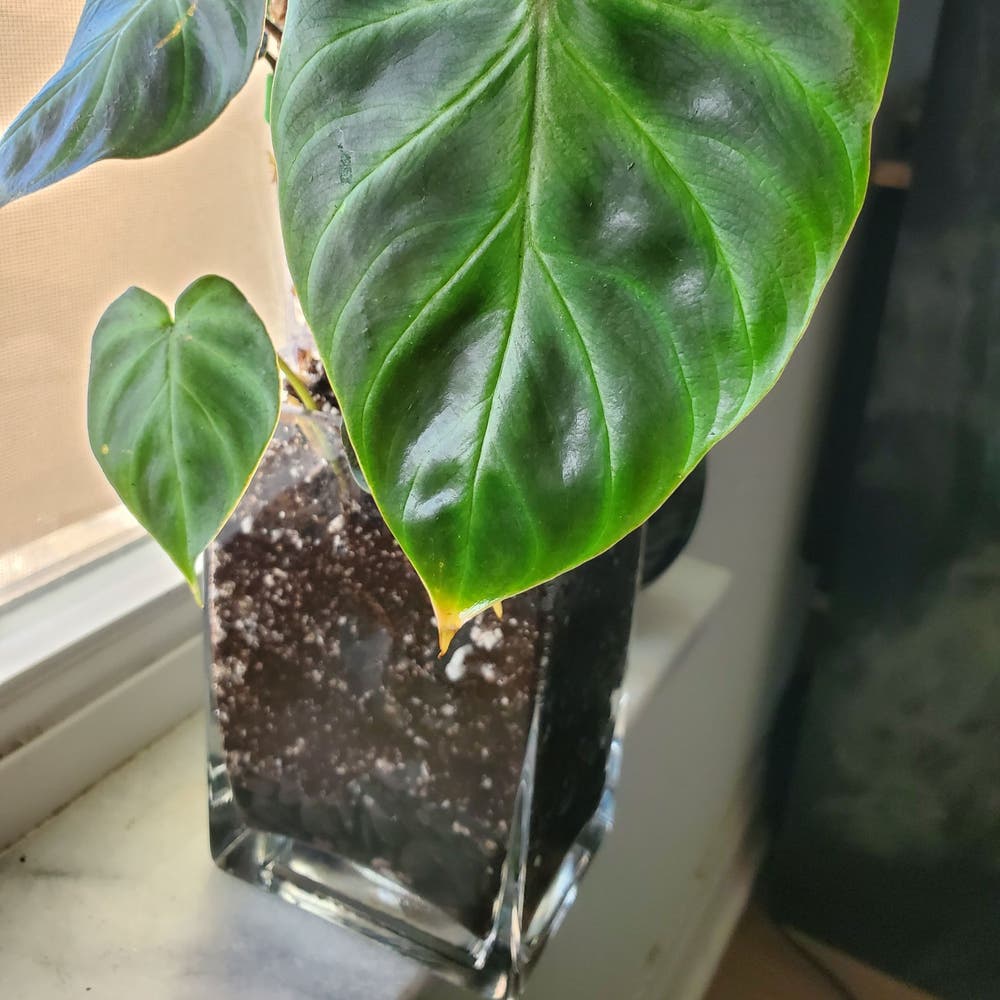
💧 Ultimate Guide to Root Rot in Magnificent Philodendron
Philodendron verrucosum
By the Greg Editorial Team
Oct 04, 2024•5 min read
This article was created with the help of AI so we can cover more plants for you. May contain errors. See one? Report it here.
- 💧 Overwatering is the main cause of root rot in magnificent philodendrons.
- 🌱 Inspect roots regularly for dark, mushy signs of root rot to catch issues early.
- 🪴 Repot in well-draining soil and use pots with drainage holes to prevent rot.
Causes of Root Rot
💧 Overwatering and Its Effects
Overwatering is a leading cause of root rot in magnificent philodendrons. When the soil remains saturated, roots suffocate, leading to yellowing leaves, wilting, and stunted growth.
🕳️ Poor Soil Drainage
Soil drainage is crucial for healthy root systems. Well-draining soil allows excess water to escape, while compacted soil retains moisture, creating a breeding ground for root rot.
🍄 Fungal Infections and Pathogens
Fungal pathogens, such as Pythium and Phytophthora, are notorious for causing root rot. These fungi thrive in overly moist conditions, attacking roots and leading to decay.
🌧️ Environmental Factors Contributing to Root Rot
High humidity and low light can exacerbate moisture retention in the soil. Seasonal changes also affect watering needs, making it essential to adjust your care routine accordingly.
Understanding these causes is vital for preventing root rot and ensuring your philodendron thrives. Next, we’ll explore how to identify the symptoms of root rot effectively.
Identifying Root Rot Symptoms
🧐 Visual Signs of Root Rot
Recognizing root rot early can save your magnificent Philodendron. The first signs often include yellowing leaves and unexpected leaf drop, which indicate distress.
Inspecting the roots is crucial. Dark, mushy roots are a telltale sign of root rot, revealing that your plant is in trouble.
🔍 Root Inspection Techniques
To effectively inspect the roots, follow these simple steps:
- Gently remove the plant from its pot. This minimizes stress on the roots.
- Examine the root ball for discoloration and texture. Healthy roots should be firm and white, while unhealthy ones appear dark and mushy.
- Identify signs of unhealthy roots: Look for softness and a foul odor, which indicate decay.
⚖️ Distinguishing Between Root Rot and Other Issues
It's essential to differentiate root rot from other common plant problems. For instance, yellowing leaves can also result from nutrient deficiencies or pests.
Accurate diagnosis is key for effective treatment. Misidentifying the issue could lead to ineffective solutions, worsening the plant's condition.
By staying vigilant and informed, you can ensure your Philodendron thrives. Next, we’ll explore how to treat root rot effectively.
Treating Root Rot
🕵️♂️ Step-by-Step Guide to Diagnosing Root Rot
Diagnosing root rot begins with assessing the visual symptoms on your plant's leaves and stems. Look for yellowing leaves, wilting, or stunted growth, which can indicate underlying issues.
Next, conduct a thorough root inspection. Gently remove the plant from its pot and examine the root ball for any discoloration or unusual texture. Confirm your diagnosis based on the condition of the roots.
✂️ How to Remove Affected Roots
Once you've identified rotten roots, it's time to trim them away safely. Use sterilized scissors or pruning shears to prevent further infection.
Cut back to healthy tissue, ensuring your cuts are clean. This will help your plant recover more effectively.
💊 Recommended Treatments
After removing the affected roots, consider applying fungicides to combat any remaining pathogens. Follow the manufacturer's instructions for effective application.
If you prefer natural remedies, options like cinnamon or neem oil can be beneficial. These alternatives can help restore your plant's health without harsh chemicals.
🌱 Repotting Techniques for Recovery
Repotting is crucial for your plant's recovery. Start by choosing a new pot with drainage holes to prevent future moisture issues.
Use a well-draining soil mix that promotes healthy root growth. After replanting, water lightly to avoid stressing the plant further.
By following these steps, you can effectively treat root rot and set your magnificent Philodendron on the path to recovery. Next, let’s explore how to prevent root rot from occurring in the first place.
Preventing Root Rot
💧 Best Practices for Watering
Proper watering is crucial for preventing root rot in your magnificent Philodendron. Aim to water only when the top inch of soil feels dry; this helps avoid the soggy conditions that lead to rot.
Monitor your plant's needs based on its environment. Factors like temperature and humidity can affect how quickly the soil dries out.
🌱 Choosing the Right Soil Mix
A well-draining soil mix is essential for healthy roots. Look for components like peat moss, compost, and perlite, which enhance drainage and aeration.
Organic matter is vital as it retains some moisture without becoming waterlogged. Perlite, in particular, helps prevent soil compaction, allowing roots to breathe.
🪴 Importance of Pot Selection and Drainage
The right pot can make all the difference in preventing root rot. Choose pots with drainage holes to ensure excess water can escape easily.
Materials like terracotta are excellent for promoting airflow and moisture evaporation. Avoid plastic pots unless they have adequate drainage features.
🌡️ Environmental Conditions to Monitor
Keep an eye on humidity and temperature levels in your plant's environment. Ideally, humidity should be between 40-60%, and temperatures should range from 65-80°F.
Adjust indoor conditions as needed. Use a dehumidifier or fan to reduce moisture buildup, especially in damp areas of your home.
By following these preventive measures, you can significantly reduce the risk of root rot and keep your Philodendron thriving. Next, let’s explore how to monitor your plant's health effectively.
Monitoring Plant Health
🌱 Regular Checks for Root Health
To keep your magnificent Philodendron thriving, conduct regular health checks every couple of weeks. Look for signs like yellowing leaves or wilting, which can indicate root issues.
Early detection is crucial in preventing root rot. If you catch problems early, you can often reverse the damage before it becomes severe.
🌿 Signs of Recovery After Treatment
After treating root rot, watch for indicators that your plant is bouncing back. New growth, vibrant leaves, and a healthy root system are all positive signs.
Monitoring leaf health is essential. If the leaves start to regain their color and firmness, your plant is on the right track.
🛡️ Long-Term Care Strategies to Prevent Recurrence
Establish a consistent care routine to ensure your Philodendron remains healthy. Regular watering, proper light exposure, and monitoring soil moisture can make a significant difference.
Adjust your care based on seasonal changes and the plant's growth stages. This proactive approach will help you prevent root rot from returning and keep your plant flourishing.
⚠️ Safety First
This content is for general information and may contain errors, omissions, or outdated details. It is not medical, veterinary advice, or an endorsement of therapeutic claims.
Always consult a qualified healthcare professional before using any plant as food, medicine, or supplement.
Never eat any plant (or feed one to pets) without confirming its identity with at least two trusted sources.
If you suspect poisoning, call Poison Control (800) 222-1222, the Pet Poison Helpline (800) 213-6680, or your local emergency service immediately.
Spotted an error? Please report it here.
Keep your magnificent philodendron thriving and healthy 🌿 by using Greg's tailored watering alerts and soil tips to prevent root rot before it starts!