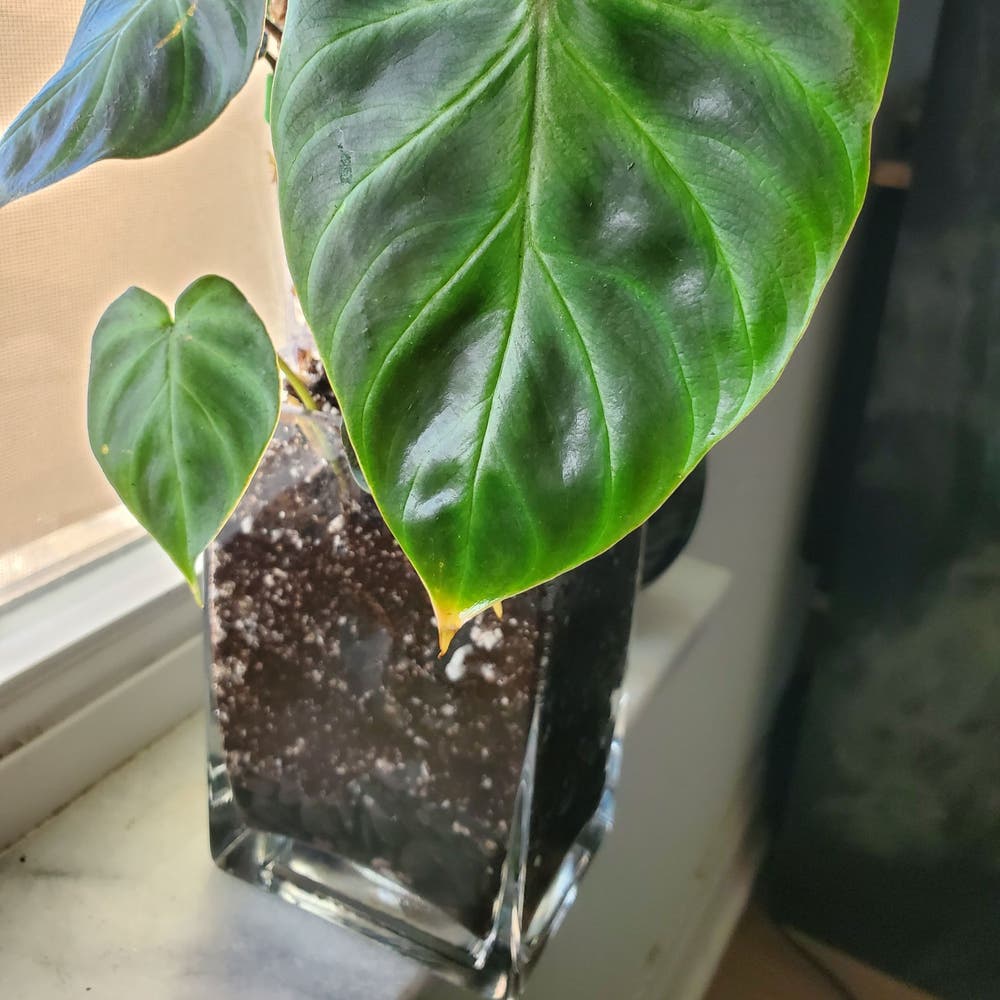
Ecuador Philodendron Fertilizer: How and When to Use It
Philodendron verrucosum
By the Greg Editorial Team
Jun 18, 2024•4 min read
This article was created with the help of AI so we can cover more plants for you. May contain errors. See one? Report it here.
- N-P-K ratio is crucial for Philodendron's nutritional needs.
- Fertilize in spring/summer; less in fall/winter for optimal blooms.
- Avoid over-fertilization; watch for yellowing leaves and browning tips.
Picking the Perfect Fertilizer
💡 Understanding N-P-K Ratios for Blooming Philodendrons
The N-P-K ratio is your Philodendron's dietary label. Nitrogen fuels leafy growth, phosphorus is key for roots and blooms, and potassium maintains plant health. A balanced 10-10-10 mix is a safe choice, but don't neglect micronutrients—they're the unsung heroes.
💧 Liquid Gold: The Benefits of Liquid Fertilizers
Liquid fertilizers, like EasyPeasy, offer a quick nutrient fix with easy application. Dilute as directed to avoid burns, especially for sensitive or light feeders. Think of it as a nutrient cocktail—potent and precise.
🕰 Time-Released Nutrition: Slow-Release and Granular Options
Slow-release and granular fertilizers are the marathon runners, providing long-term sustenance. They're low-maintenance, gradually nourishing your Philodendron without the risk of nutrient overload. It's a set-and-forget approach to plant care.
🌱 Going Organic: Can Natural Fertilizers Do the Trick?
Organic options, like compost or manure, offer a buffet of slow-releasing nutrients. They're eco-friendly and improve soil structure, but patience is key. They won't win a sprint, but they're champions in the long haul.

Timing is Everything: When to Fertilize for Optimal Blooms
🌱 Growth and Dormancy: Reading Your Philodendron's Lifecycle
Your Ecuador Philodendron's growth cycle dictates its appetite for nutrients. Spring heralds a growth spurt, making it prime time for fertilizing. Dormancy in fall and winter means your plant's metabolism slows, requiring less food. It's like your Philodendron is on a diet; overfeeding can cause more harm than good.
🌷 Seasonal Fertilizing: Spring and Summer Feeding Frenzy
During the spring and summer, your Philodendron is in beast mode, pushing out new leaves and potentially flowers. This is when you should bring out the big guns—a balanced, water-soluble fertilizer, monthly. Think of it as a regular workout supplement for your plant. And if you're gunning for blooms, consider a bloom booster with more phosphorus.
🍂 Taking a Break: When to Ease Off the Fertilizer
As the days shorten and temperatures drop, your Philodendron starts to chill. Fall is the time to taper off, switching to a once-a-month routine. Come winter, it's time for a full-on break. Over-fertilization now can lead to a nutrient traffic jam, causing more problems than a leaf in a windstorm.

The Art of Fertilizing Your Ecuador Philodendron
💧 Mixing It Right: Dilution Ratios and Application Techniques
Dilution is the secret sauce to a healthy Philodendron. Overpowering your plant with undiluted fertilizer is like serving a steak to a baby—just wrong. Stick to the script on the fertilizer label for the right mix. Pour the concoction directly onto the soil, avoiding a leafy shower that could lead to a crispy demise.
🎶 The Dosage Dance: How Much Is Just Right?
It's a delicate dance with dosage. Imagine you're the DJ of nutrients, and you've got to keep the beats per minute—aka fertilizer granules—just right. A quarter teaspoon per gallon is the sweet spot for liquid love. And remember, it's not a one-time show; keep the rhythm going with every watering.
🌱 Root Health: Ensuring Your Philodendron Isn't Overwhelmed
Roots are the lifeline of your Philodendron, and they don't take kindly to being overwhelmed. Think of them as introverts at a party—they need space and a comfortable environment. Avoid over-fertilizing like you'd avoid double-dipping chips at a social gathering. If you've gone overboard, flush the soil with water to clear the nutrient overload. Keep an eye out for signs of distress, and adjust your fertilizing frequency to keep those roots thriving without the drama.

Recognizing and Fixing Fertilizer Faux Pas
🚨 Spotting Trouble: Early Signs of Over-Fertilization
Yellowing leaves and browning tips are the Philodendron's SOS—a clear signal of over-fertilization. If you notice a white crust on the soil, that's the mineral buildup crying out for intervention. These symptoms can appear days after an overzealous feeding, so keep your eyes peeled and your fertilizer hand light.
💪 The Recovery Plan: Bringing Your Philodendron Back from the Brink
Hit the brakes on fertilization to prevent further damage. Remove any visible fertilizer from the soil surface to stop more nutrients from being absorbed. Next, flush the soil with water—repeatedly if necessary—to leach out the excess. It's like a detox for your plant's roots. Prune away the damaged leaves and stems to help the plant focus on getting back to its lush self. Monitor your Philodendron and only resume a conservative fertilization regimen when it shows signs of recovery. Remember, patience is key; your plant's not on a sprint, it's in a marathon for recovery.
⚠️ Safety First
This content is for general information and may contain errors, omissions, or outdated details. It is not medical, veterinary advice, or an endorsement of therapeutic claims.
Always consult a qualified healthcare professional before using any plant as food, medicine, or supplement.
Never eat any plant (or feed one to pets) without confirming its identity with at least two trusted sources.
If you suspect poisoning, call Poison Control (800) 222-1222, the Pet Poison Helpline (800) 213-6680, or your local emergency service immediately.
Spotted an error? Please report it here.
Ensure your Ecuador Philodendron thrives with optimal nourishment 🌱 by using Greg to set custom fertilization schedules that align with its growth cycle and your unique home conditions.