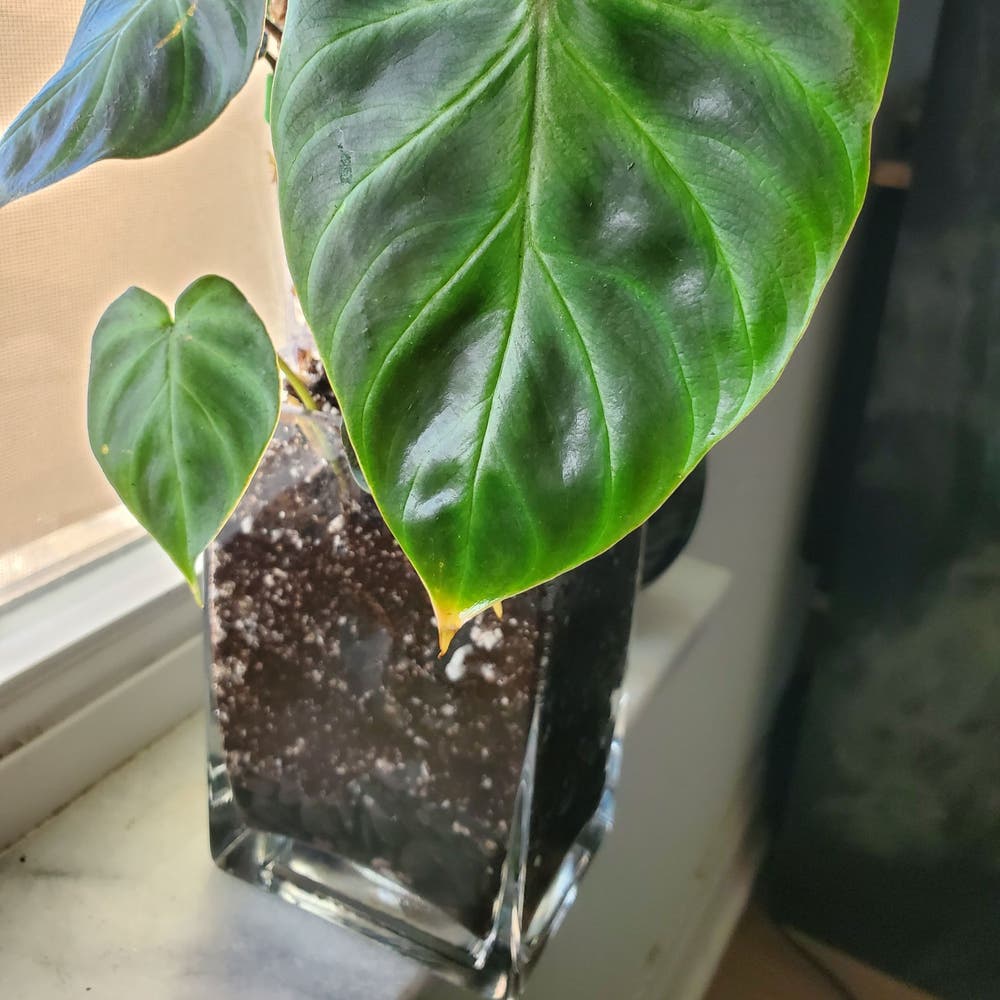
When and Where Should I Trim My Ecuador Philodendron?
Philodendron verrucosum
By the Greg Editorial Team
Jun 18, 2024•4 min read
This article was created with the help of AI so we can cover more plants for you. May contain errors. See one? Report it here.
- Prune in spring/fall during natural growth spurts for best results.
- Look for leggy vines and sparse leaves as signs to trim your Philodendron.
- Use sharp tools; disinfect before/after to maintain plant health and shape.
Spotting the Perfect Pruning Moment
🌿 Signs Your Philodendron Needs a Trim
Leggy vines signal your Ecuador Philodendron is stretching for light, sacrificing lush foliage along the way. Sparse leaves are a cry for help; it's time to intervene. Overcrowding is another red flag; it stifles air flow and can turn your green haven into a moldy mess.
Syncing with Growth Cycles
The best seasons for pruning are spring and fall, coinciding with the plant's natural growth spurts. Understanding dormancy and active growth phases is crucial; trim when the plant is gearing up to grow, not when it's taking a well-deserved rest.

Choosing Your Pruning Spots
🌱 Zeroing in on Nodes and Aerial Roots
Nodes are the Philodendron's crossroads, dictating where new growth will venture. Spot them as little bumps on the stems. Snip above a node aiming towards the direction you fancy your plant to expand. This is your ticket to intentional growth.
Aerial roots may look like they're reaching for something. While they're normal, during pruning, you can trim them if they're unruly or gently guide them back to the soil to root.
🪴 Dealing with the Damaged and Diseased
Scout out leaves that are more brown than green, or stems that look like they've seen better days. These are the parts screaming for a snip. Removing them not only tidies up your Philodendron but also redirects energy to the fitter foliage.
Disease doesn't play fair, so when you spot any signs of infection, it's time to play gardener-hero. Cut away the infected areas promptly to prevent a garden zombie apocalypse. Remember, with great pruning comes great responsibility.

Pruning Tools and Techniques
🛠️ Selecting the Right Tools
Pruning your Ecuador Philodendron starts with choosing the right tools. You'll want a pair of sharp pruning shears or scissors that fit comfortably in your hand. Think of it as plant surgery; precision is key. Dull blades are a no-go—they're like trying to cut a tomato with a spoon. Keep your blades sharp to avoid crushing the plant tissue, which can lead to disease.
🌱 Mastering the Snip
Now, let's talk about the actual pruning process. Here's a step-by-step to ensure you're snipping like a pro:
- Visualize the desired shape of your philodendron before making any cuts.
- Disinfect your tools with isopropyl alcohol or a bleach solution to prevent the spread of disease.
- Make cuts just above a leaf node or an aerial root to encourage new growth.
- Remove any damaged or diseased leaves and stems to keep your plant healthy.
- Aim for a balanced look by trimming more vigorously in areas of dense growth.
- Always cut at a 45-degree angle to promote healing and prevent water accumulation.
- Sterilize your tools after pruning to keep them in good condition for next time.
Remember, each snip should enhance your philodendron's natural form, not just chop away at it. You're not just a plant owner; you're an artist shaping a living sculpture.

Pruning with Purpose: Maintenance and Propagation
🌿 Keeping Your Philodendron in Top Shape
Pruning your Ecuador Philodendron isn't just about aesthetics; it's vital maintenance. To maintain that lush look, snip away yellowing or dead leaves regularly. This not only keeps your plant looking fresh but also prevents potential pest infestations and diseases. Rotate your Philodendron periodically to ensure even growth, as these plants tend to reach for the light.
🌱 Turning Trimmings into New Plants
Don't throw away those pruned bits just yet; they're the start of your very own Philodendron farm. Propagation is straightforward: place stem cuttings in water or soil, ensuring at least one node is submerged or buried. In a few weeks, roots will emerge, and voilà, you've got new plants on your hands. Remember to use a rooting hormone for soil propagation to kickstart the process. Keep these newbies in a warm spot with indirect light, and you're on your way to becoming a Philodendron philanthropist.
⚠️ Safety First
This content is for general information and may contain errors, omissions, or outdated details. It is not medical, veterinary advice, or an endorsement of therapeutic claims.
Always consult a qualified healthcare professional before using any plant as food, medicine, or supplement.
Never eat any plant (or feed one to pets) without confirming its identity with at least two trusted sources.
If you suspect poisoning, call Poison Control (800) 222-1222, the Pet Poison Helpline (800) 213-6680, or your local emergency service immediately.
Spotted an error? Please report it here.
Prune your Ecuador Philodendron to perfection ✂️ with Greg's tailored reminders aligned with its growth spurts, ensuring a thriving and sculptural green companion.