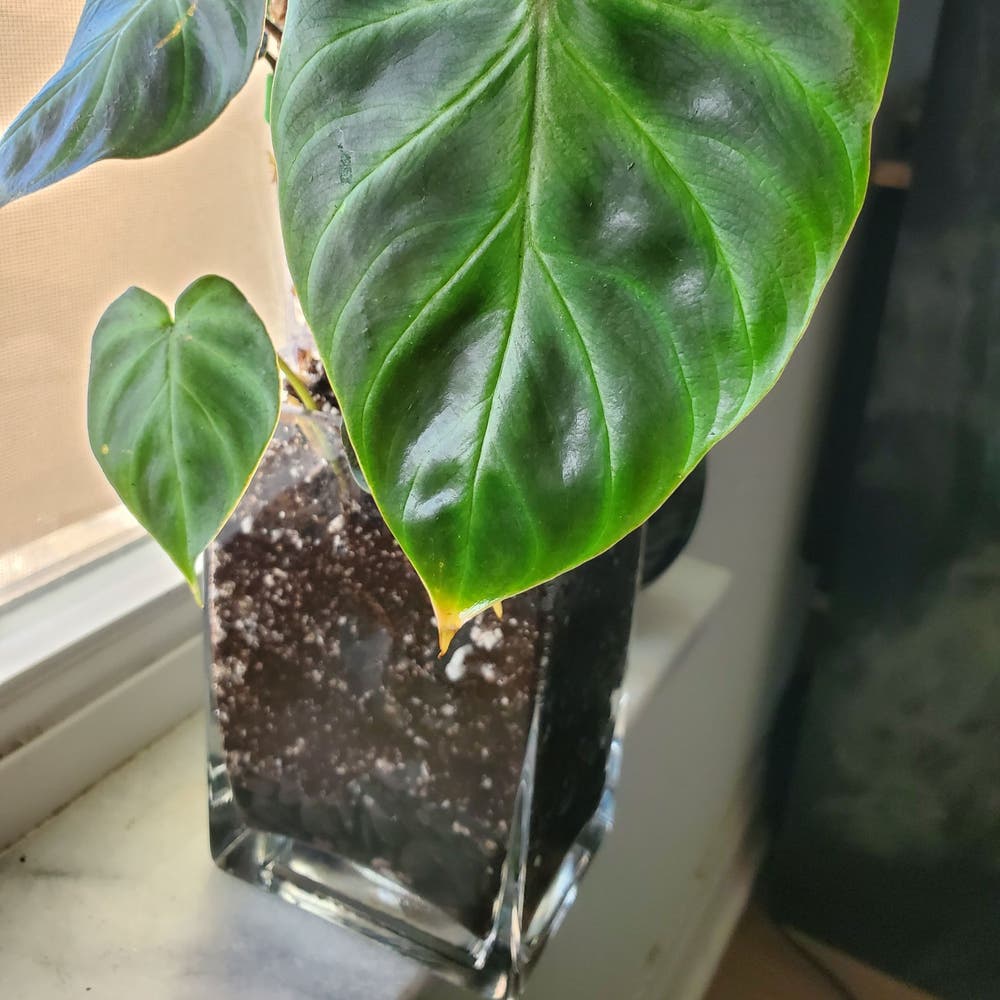
Why Are My Ecuador Philodendron Leaves Dropping?
Philodendron verrucosum
By the Greg Editorial Team
Jun 18, 2024•5 min read
This article was created with the help of AI so we can cover more plants for you. May contain errors. See one? Report it here.
- Bright, indirect light and stable temperatures keep Philodendron leaves attached.
- Balance humidity and watering to prevent droopy leaves or root rot.
- Combat pests and diseases with good hygiene and prompt treatment.
When Leaves Take the Plunge: Pinpointing the Culprits
🌞 Light and Temperature Terrors
Too much or too little light can send your Ecuador Philodendron's leaves packing. These tropical understory plants crave bright, indirect sunlight. Direct rays? They'll fry faster than an egg on a Florida sidewalk. And darkness? That's a one-way ticket to Sparseville.
Temperature swings are the mood swings of the plant world—Philodendrons hate them. Keep the thermostat steady; think lukewarm, not hot flashes or cold feet.
💦 Humidity Woes
Humidity is the secret handshake of the Philodendron world. Too dry, and leaves shrivel up like they've been ghosted. Too damp, and you're inviting a fungal rave. Aim for that sweet spot, like a perfectly tuned guitar string, and watch your plant jam out.
Consider a humidifier or a pebble tray to up the ante on moisture. Just remember, air circulation is key—stagnant air is about as welcome as a skunk at a lawn party.
💧 Thirsty Roots or Waterlogged Soil?
Watering is less of a schedule, more of a vibe. Check the soil's mood before you pour—top inch dry? Go for it. Soggy? Hold off, cowboy. Overwatering leads to root rot, the silent killer of many a houseplant.
Drainage is your best friend here. Make sure your pot isn't holding water like a grudge. And if you're in over your head with a waterlogged plant, it might be time to repot. On the flip side, underwatering turns your Philodendron into a drama queen with droopy leaves. Balance is key—like a tightrope walker, but with a watering can.

Unwanted Guests: Tackling Pests and Diseases
🐜 Common Pests that Bug Your Philodendron
Your Ecuador Philodendron could be under siege by sap-sucking pests. These include aphids, mealybugs, scales, and spider mites. Aphids are tiny, with a penchant for the undersides of leaves, secreting a sticky residue that attracts dirt. Scales masquerade as bumps on stems and leaves, draining the plant's vigor and causing yellowing.
To combat these pests, isolate the affected plant to prevent a full-blown infestation. Prune heavily infested areas and consider using insecticidal soaps, neem oil, or horticultural oils. In dire cases, systemic insecticides might be necessary. Remember, prevention is key: quarantine new plants and keep your tools clean.
🍄 Fungal and Bacterial Invaders
Fungi and bacteria love to crash the party, too. They bring along unsightly leaf spots and blight, often due to poor plant hygiene or overwatering. To keep these invaders at bay, avoid wetting the leaves when you water and maintain a consistent watering and feeding schedule.
If you spot signs of disease, remove affected leaves promptly. For bacterial blight, products containing plant-growth-promoting rhizobacteria, like mycorrhiza, can help. And don't forget, cleanliness isn't just for show; it's a solid defense against disease. Keep your Philodendron's environment free of fallen leaves and debris, and you'll be one step ahead in the fight against these unwanted guests.

The Right Way to Pamper Your Philodendron
🌱 Feeding Finesse
Philodendrons are like teenagers; they're always hungry, especially during their growth spurts. Fertilize during the growing season with a balanced, water-soluble fertilizer. Look for an NPK ratio of 20-20-20, which is like the plant version of a well-rounded diet. Remember, overfeeding is just as bad as underfeeding—your plant isn't a trash can. Only fertilize when your plant is actively growing, typically in spring and summer, and give it a rest during the winter.
🌿 Perfect Potting
Your Philodendron's pot is its universe. Make sure it's a good one. Use a well-draining soil mix to avoid waterlogged roots. Think of perlite as the plant's fairy dust—it keeps the soil light and airy. Check that your pot has drainage holes; otherwise, you're setting up a swimming pool for your plant's roots. When repotting, consider a mix of aroid mix and perlite, or even Leca, to keep that drainage on point. And don't forget to water your plant after repotting—it's thirsty work moving into a new home.

Keeping Your Philodendron Happy and Leafy
In the lush world of Philodendron care, vigilance is your watchword. To keep those leaves from taking a dive, let's recap the essentials.
💡 Best Practices for Leaf Retention
Lighting: Your Philodendron craves bright, indirect light. Too much sun and the leaves might throw in the towel; too little, and they'll just give up. Find that sweet spot and stick to it.
Watering: It's a balancing act. Water when the top inch of soil feels like a dry martini. Overwatering? That's a one-way ticket to droop city. Underwatering? Your Philodendron will start shedding leaves like a dog in summer.
Humidity: These plants don't need a rainforest, but they don't want to live in a desert either. Aim for moderate humidity. A pebble tray or a misting can be your Philodendron's best friend.
🌱 Ongoing Care and Maintenance
Pruning: Think of it as a spa day for your plant. Snip off the sad, droopy leaves to redirect energy to the A-listers. It's not just about aesthetics; it's about health.
Pest Patrol: Keep an eye out for freeloaders. Spider mites, mealybugs, and their ilk love a free ride. Spot them? Show them the exit with insecticidal soap or neem oil.
Root Review: When repotting time comes, inspect the roots. Mushy? You've got rot. Freshen up with well-draining soil to keep the roots happy.
👩🌾 Encouraging Vigilance
Routine is key. Make a schedule and stick to it. Weekly check-ups can prevent a world of hurt. Spot a problem? Adjust your care routine and monitor the progress.
Remember, your Philodendron isn't just surviving; with the right care, it's thriving. Keep up the good work, and those leaves will stick around for the long haul.
⚠️ Safety First
This content is for general information and may contain errors, omissions, or outdated details. It is not medical, veterinary advice, or an endorsement of therapeutic claims.
Always consult a qualified healthcare professional before using any plant as food, medicine, or supplement.
Never eat any plant (or feed one to pets) without confirming its identity with at least two trusted sources.
If you suspect poisoning, call Poison Control (800) 222-1222, the Pet Poison Helpline (800) 213-6680, or your local emergency service immediately.
Spotted an error? Please report it here.
Ensure your Ecuador Philodendron stays lush and leafy 🍃 with Greg's personalized reminders for the perfect light, watering, and humidity balance.