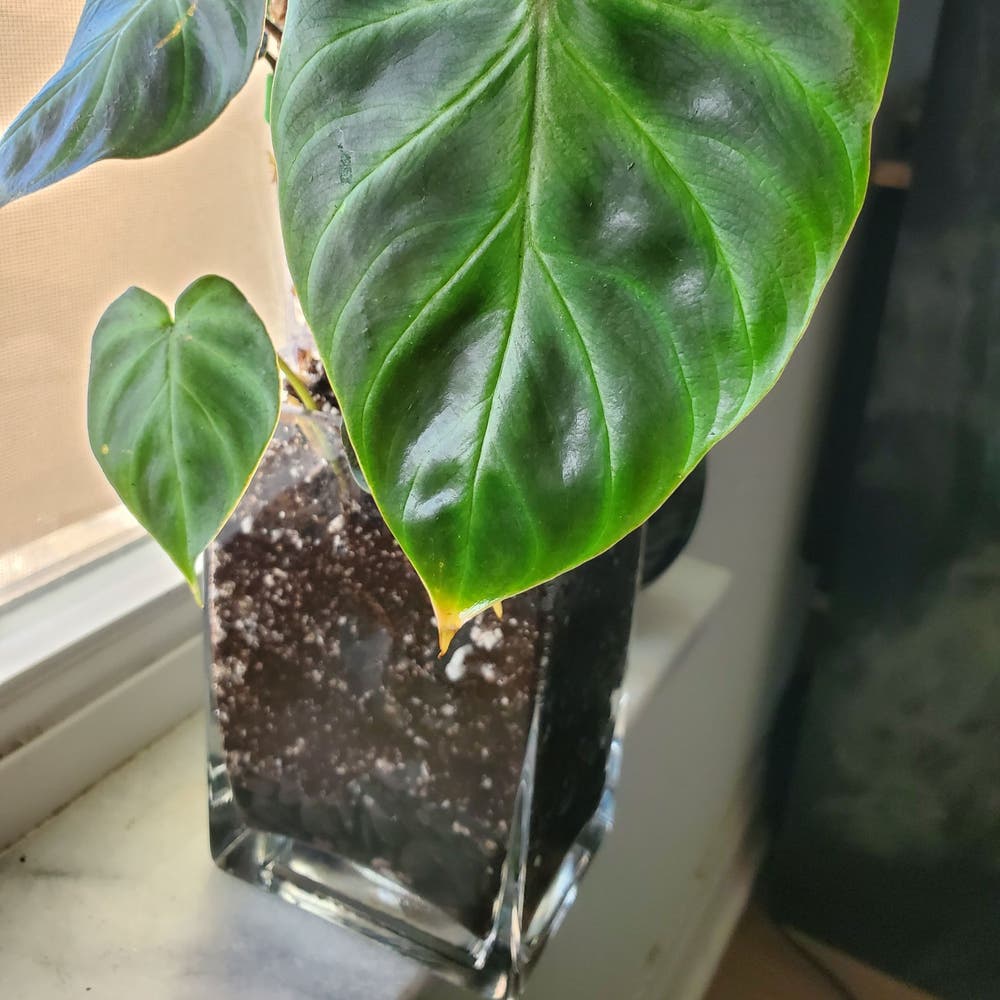
🌳 All About Your Ecuador Philodendron's Roots
Philodendron verrucosum
By the Greg Editorial Team
Sep 30, 2024•5 min read
This article was created with the help of AI so we can cover more plants for you. May contain errors. See one? Report it here.
- 🌱 Ecuador Philodendron roots are shallow yet extensive, ensuring efficient nutrient absorption.
- 💧 Consistent moisture is vital; keep soil damp to prevent root rot.
- ✂️ Address rootbound issues by pruning and repotting for optimal growth.
Type of Root System
🌱 Characteristics and Advantages
The Ecuador Philodendron boasts a fibrous root system, which is both shallow and extensive. This unique structure allows for efficient nutrient absorption, making it a resilient choice for various growing conditions.
These fibrous roots adapt well to different soil types, ensuring that your plant thrives whether in rich potting mix or more challenging substrates. Their adaptability is a significant advantage, allowing the Ecuador Philodendron to flourish in diverse environments.
Understanding this root system is crucial for effective care. With the right approach, you can maximize your plant's health and growth potential.
Next, let's explore the root depth, spread, and growth patterns of the Ecuador Philodendron.
Root Depth, Spread, and Growth Patterns
Typical Measurements 🌱
The Ecuador Philodendron boasts a root depth of up to 12 inches (30 cm) when planted in well-draining soil. This depth allows for efficient nutrient uptake while maintaining stability.
Its root spread can extend 2-3 feet (60-90 cm) in diameter, creating a robust network that supports the plant's overall health. This extensive spread is crucial for maximizing nutrient absorption and water retention.
Growth Response 🌿
Roots are incredibly responsive to their environment. They adapt to changes in moisture, temperature, and soil quality, ensuring the plant thrives even in varying conditions.
When faced with drought, roots may grow deeper in search of moisture. Conversely, in overly wet conditions, they might spread out more horizontally to avoid rot, showcasing their remarkable adaptability.
Understanding these growth patterns can help you provide the best care for your Ecuador Philodendron. With the right conditions, you can foster a thriving root system that supports vibrant foliage and overall plant health.
Next, we’ll explore how to effectively water, fertilize, and transplant your Ecuador Philodendron for optimal growth.
Watering, Fertilizing, and Transplanting
💧 Watering Needs
Maintaining consistent moisture is crucial for your Ecuador Philodendron. Aim for a balance: keep the soil damp but avoid waterlogging, which can lead to root rot.
Adjust your watering frequency based on the root depth and spread. If the roots are shallow and extensive, they may require more frequent watering compared to deeper-rooted plants.
🌱 Fertilizing Techniques
Using a balanced NPK fertilizer is key to promoting healthy growth. Opt for a formula that supports overall plant health, ensuring your Philodendron thrives.
Fertilize monthly during the growing season for the best results. You can either incorporate the fertilizer into the soil or use liquid feeding methods, depending on your preference.
🌿 Transplanting Best Practices
Timing is everything when it comes to transplanting. The best period is spring or early summer, allowing your plant to settle in before the growing season peaks.
Follow these steps for a successful transplant:
- Prepare a new pot with well-draining soil.
- Gently remove the plant from its current pot.
- Loosen any tightly bound roots to encourage growth.
- Place the plant in the new pot and fill with fresh soil.
By following these watering, fertilizing, and transplanting guidelines, you’ll set your Ecuador Philodendron up for success. Healthy roots lead to vibrant foliage, ensuring your plant flourishes in its environment.
Next, let’s explore common root-related issues that can arise and how to tackle them effectively.
Common Root-Related Issues
Identifying Problems 🌱
Root health is crucial for your Ecuador Philodendron's vitality. Watch for symptoms of root rot, such as wilting leaves, yellowing foliage, and a foul odor emanating from the soil.
Fungal infections can also plague the roots. These issues often arise from overwatering or poor drainage, leading to a decline in your plant's overall health.
Solutions 🛠️
Preventive measures are your first line of defense. Employ proper watering techniques, ensuring the soil remains consistently moist but never waterlogged.
Choosing the right soil is equally important. A well-draining mix can help prevent root-related issues from developing in the first place.
If you do encounter problems, don’t panic. Start by removing any affected roots and repotting the plant in fresh, dry soil. This can help restore your plant's health and encourage new growth.
By staying vigilant and proactive, you can keep your Ecuador Philodendron thriving and vibrant. Next, let’s explore how to recognize healthy versus unhealthy roots for even better plant care.
Healthy vs. Unhealthy Roots
👀 Visual Cues for Health
Healthy roots are your plant's lifeline. Look for roots that are firm and exhibit a white to light tan color, signaling vitality and strength.
Robust growth and vibrant foliage are also key indicators of root health. If your Ecuador Philodendron is thriving above ground, chances are its roots are doing just as well below.
⚠️ Signs of Unhealthy Roots
On the flip side, unhealthy roots can spell trouble. Dark, mushy textures and unpleasant odors are red flags that something is amiss.
If you notice these signs, it’s time to take action. Pruning affected roots and improving drainage can help restore your plant's health and vitality.
Understanding these visual cues is essential for maintaining a thriving Ecuador Philodendron. Healthy roots not only support growth but also enhance the plant's resilience against environmental stressors.
Rootbound Conditions
Definition and Signs 🌱
Rootbound conditions occur when a plant's roots circle the pot, restricting growth. This often leads to stunted growth, frequent wilting, and roots emerging from drainage holes.
Steps to Address Rootbound Plants 🛠️
- Assess the root system: Carefully remove the plant from its pot and inspect the roots.
- Prune any circling roots: Trim away the roots that are circling to encourage new growth.
- Repot in a larger container: Use fresh soil to provide ample space for the roots to expand.
Importance in Propagation 🌿
Maintaining root integrity is crucial for successful propagation. When dividing plants, ensure each division has healthy roots to promote robust growth and resilience.
Understanding rootbound conditions is essential for nurturing your Ecuador Philodendron. By addressing these issues promptly, you can foster a thriving plant that showcases its full potential.
⚠️ Safety First
This content is for general information and may contain errors, omissions, or outdated details. It is not medical, veterinary advice, or an endorsement of therapeutic claims.
Always consult a qualified healthcare professional before using any plant as food, medicine, or supplement.
Never eat any plant (or feed one to pets) without confirming its identity with at least two trusted sources.
If you suspect poisoning, call Poison Control (800) 222-1222, the Pet Poison Helpline (800) 213-6680, or your local emergency service immediately.
Spotted an error? Please report it here.
Unlock your Ecuador Philodendron's full potential by mastering its root care with Greg's tailored reminders and expert tips for thriving growth 🌿!