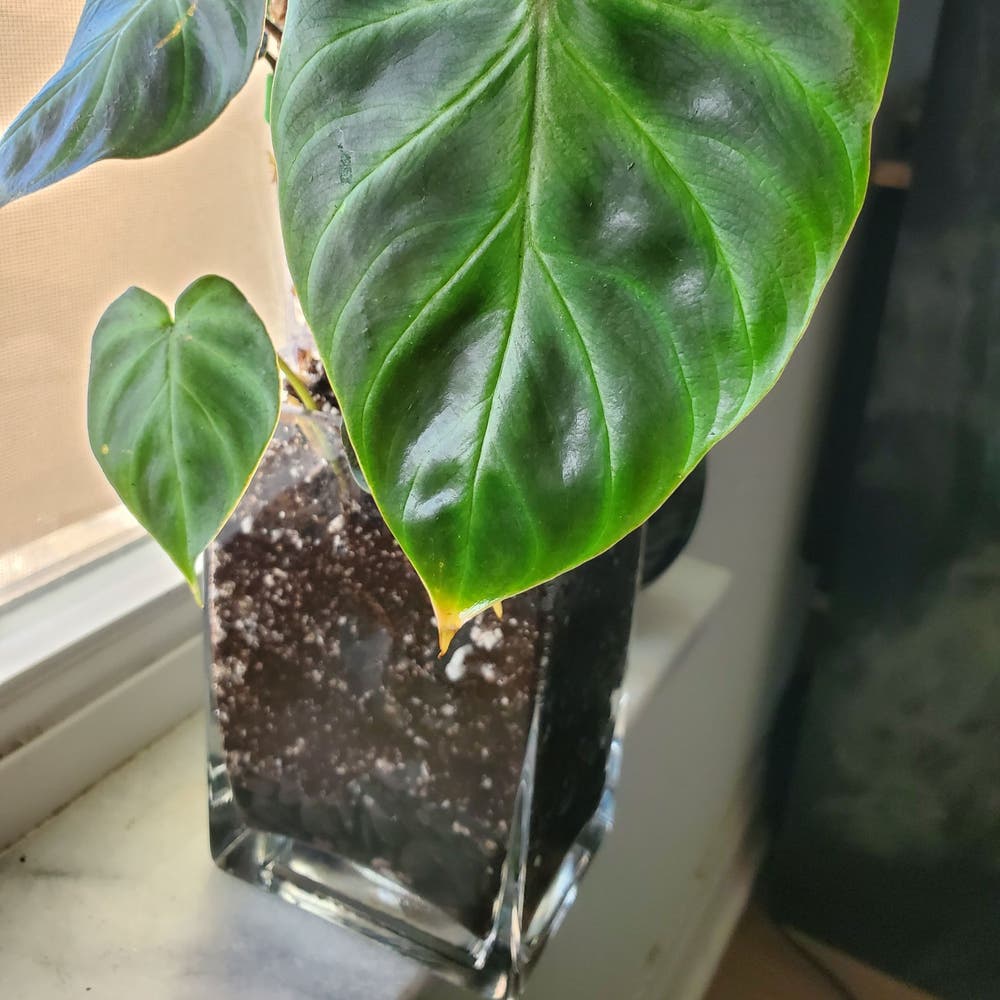
Should I Repot My Ecuador Philodendron And If So, How?
Philodendron verrucosum
By the Greg Editorial Team
Jun 18, 2024•4 min read
This article was created with the help of AI so we can cover more plants for you. May contain errors. See one? Report it here.
- Roots poking out? Time to repot for healthy growth.
- 🌱 Choose the right pot and mix for breathability and moisture.
- Post-repot care is crucial to prevent stress and root rot.
Spotting the Telltale Signs for Repotting
🌱 Root Clues: Tangled Roots and What They're Trying to Tell You
Roots coiling around the pot's interior are a silent alarm. It's their way of saying, "Hey, I need more room!" If you notice roots poking through drainage holes or forming a dense web at the bottom, it's high time for a change.
🌿 Above the Soil: Spotting Growth Slowdowns and Other Visual Cues
When your Philodendron's growth hits a snail's pace, it's not just being lazy. It's likely rootbound. Yellow leaves? They're not just trying out a new look; they're crying out for help. And if the soil dries out faster than your last Tinder date ghosted you, that's another red flag.
🌸 Seasonal Timing: Best Times of Year for Giving Your Philodendron a New Pot
Spring is the season of rebirth, making it the ideal time to repot. Your Philodendron is gearing up for a growth spurt, so give it the space it needs to stretch its roots. Repotting during this time minimizes stress and maximizes growth potential.

Choosing the Right Pot and Potting Mix
🏺 Picking the Perfect Pot
When it comes to housing your Ecuador Philodendron, size and material are your prime considerations. A pot just 1-2 inches wider than the current one ensures room for growth without inviting root rot. Terracotta is the go-to for its breathability and even moisture distribution, while plastic is a budget-friendly alternative—just make sure it has drainage holes. Ceramic pots add a decorative touch but remember, they're heavier and less porous.
🌱 Mixing it Up with the Right Soil
Your Philodendron's potting mix should be like a VIP lounge—exclusive yet accommodating. Aim for a mix that's one part potting soil and one part coco coir, striking a balance between drainage and moisture retention. Perlite is your aeration superstar, while a sprinkle of compost or worm castings adds nutrients and structure. Keep the pH slightly acidic to match your Philodendron's taste. If you're feeling experimental, mix your own soil cocktail, but don't stray too far from the proven recipe.

The Repotting Rundown
🌱 Prepping for the Big Move
Before you dive into the repotting process, make sure you have all your tools at the ready. You'll need a new pot, fresh potting mix, scissors or a knife for root trimming, and something to cover the drainage holes—think plastic netting or coffee filters.
Water your Philodendron a day before the move. This hydrates the plant and eases the transition, making the soil more pliable and the roots less prone to damage.
🌿 The Main Event: Repotting Step-by-Step
Step 1: Out with the Old
Gently coax your Philodendron out of its current pot. If it plays hard to get, use a knife to help nudge it out without a tug-of-war. Once free, inspect the roots. Healthy roots are firm and white or tan, not the color of over-steeped tea. Snip off any mushy or brittle roots—they're dead weight.
Step 2: In with the New
Place a layer of fresh potting mix in the new pot. Now, introduce your Philodendron to its new abode. Position it so that it sits at the same soil level as before—no deeper burials or high-rise living. Fill around the roots with more mix, but don't pack it down like you're stuffing a turkey.
Water sparingly to settle the soil and give your plant a gentle pat—think of it as a housewarming gesture. Remember, overwatering is a no-go right after repotting. Your Philodendron doesn't need a bath; it needs a drink.

Post-Repotting Care: The First Weeks
💧 Watering Wisdom
After repotting, your Ecuador Philodendron's watering needs may shift. Start with a thorough watering, then let the top inch of soil dry out before the next round. Remember, overwatering is the fast track to root rot, so err on the side of too little rather than too much.
👀 Spotting Stress Signals
Keep an eye out for droopiness or leaves that look like they've seen better days. These could be signs of transplant shock. If you see yellowing or browning, it's time to troubleshoot—fast. Consistency in care is your new mantra.
🌿 Settling In
Help your Philodendron adjust by placing it in a spot with indirect light and away from harsh conditions. Hold off on the fertilizer; let the plant signal readiness for extra nutrients with new growth. And if you're battling pests or mushy roots, it's time to channel your inner plant warrior.
Remember, post-repotting care is not just about following steps; it's about observing and responding to your plant's unique needs as it settles into its new home.
⚠️ Safety First
This content is for general information and may contain errors, omissions, or outdated details. It is not medical, veterinary advice, or an endorsement of therapeutic claims.
Always consult a qualified healthcare professional before using any plant as food, medicine, or supplement.
Never eat any plant (or feed one to pets) without confirming its identity with at least two trusted sources.
If you suspect poisoning, call Poison Control (800) 222-1222, the Pet Poison Helpline (800) 213-6680, or your local emergency service immediately.
Spotted an error? Please report it here.
Ensure your Ecuador Philodendron thrives in its new home by repotting with confidence and relying on Greg for a customized watering schedule 🌿 tailored to its fresh start.