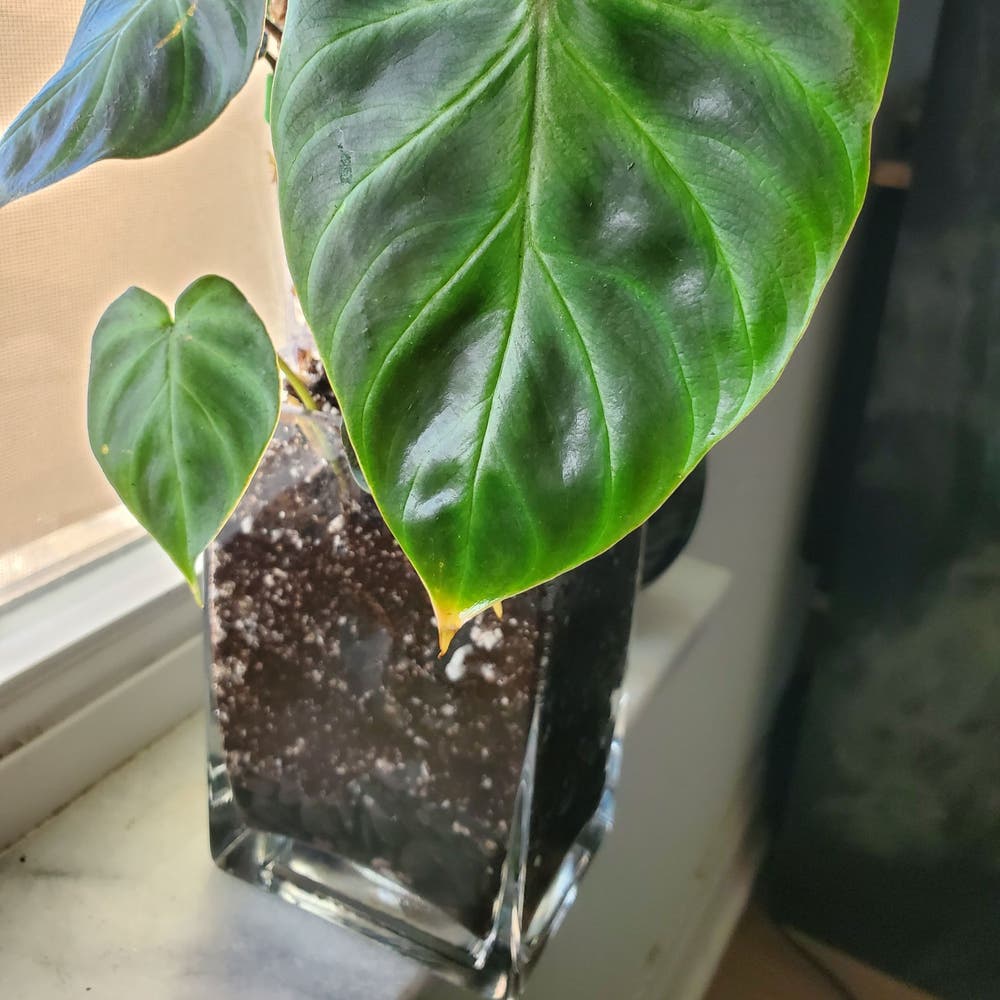
Why Does My Ecuador Philodendron Have Yellow Leaves?
Philodendron verrucosum
By the Greg Editorial Team
Jun 18, 2024•4 min read
This article was created with the help of AI so we can cover more plants for you. May contain errors. See one? Report it here.
- 🌿 Natural aging or distress? Yellow leaves can indicate either.
- 💧 Watering woes? Adjust schedule based on soil moisture.
- 🌡️ Consistent care is key for light, temperature, and pest control.
Spotting the Trouble: Yellow Leaves on Your Philodendron
When Yellow Means Goodbye
Yellowing leaves can be the natural aging process of your Philodendron. If it's the older leaves turning yellow, you might just be witnessing a farewell party for some weary foliage.
Too Much H2O or Not Enough?
💦 Overwatering
If your Philodendron's leaves are yellow with a side of soggy, you're giving it too much love in the liquid department. Overwatering can lead to root rot, a deadly affair for your plant's roots.
🏜️ Underwatering
Conversely, leaves that are yellow, crispy, and drooping are crying out for hydration. Your plant's soil should feel like a wrung-out sponge – moist but not wet.
Quick Fixes
To get back on track, stick a finger in the soil. If it's wet, hold off on watering; if it's dry, it's time to quench your plant's thirst. Adjust your watering schedule to match your Philodendron's needs, not your calendar's.
Light and Temperature: Finding the Sweet Spot
☀️ Light Stress
Too much sun can turn your Philodendron into a yellow beacon of distress. If your plant is basking in the sun like a tourist at the beach, it's time to move it to a shadier spot.
🌡️ Temperature Stress
These tropical beauties dislike the cold as much as you do. Keep them away from drafts and ensure the room temperature is consistently warm, without wild fluctuations.
Simple Adjustments
Relocate your plant to a spot with indirect sunlight and stable temperatures. Your Philodendron will thank you by flaunting its vibrant green leaves.

Feeding Your Philodendron Right
🚩 Spotting Signs of Starvation
Yellow leaves waving a white flag? Your Philodendron might be starving for nutrients. Chlorosis, marked by yellowing, often screams for magnesium and iron. If growth is more sluggish than a snail, or if new leaves drop like flies, your plant is likely crying out for a feed.
🍽️ The Menu for a Healthy Philodendron
A balanced diet for your Philodendron is non-negotiable. Opt for a high-quality fertilizer with a 20-20-20 NPK ratio. Think of it as a green smoothie for your leafy friend. Seasonal feeding is key; pamper your plant spring through summer, but let it fast in the winter. And remember, moderation is the name of the game—overfeeding is as harmful as neglect.

Unwanted Guests: Tackling Pests
🐜 Catching Critters Early
Pests are stealthy invaders that can turn your Philodendron's leaves yellow. Inspect regularly for aphids, mealybugs, spider mites, and thrips. These pests suck the life out of leaves, leaving telltale signs like yellow speckles or sticky residue. Act fast when you spot them; early detection is crucial.
🚪 Showing Pests the Door
Once you've identified the pests, it's eviction time. Neem oil and insecticidal soap are your go-to bouncers, showing these freeloaders the door. Apply with a spritz or a gentle leaf wipe-down. For flying pests, yellow sticky cards work like a charm—they check in but don't check out. Isolate the affected plant to prevent the spread and keep your Philodendron pest-free.

Keeping the Green: Prevention Tips
💧 Water Wisdom
Establishing a foolproof watering routine is crucial to prevent the dreaded yellowing of your Ecuador Philodendron's leaves.
Check Before You Quench
Test the top two inches of soil for dryness before watering. If it's dry, it's time to hydrate, but do so with the finesse of a gentle rain, not a torrential downpour.
Quality Over Quantity
Use water that's been left out to de-chlorinate, or go for filtered water to avoid the browning of leaf tips.
Timing is Everything
Create a consistent schedule, adjusting for seasonal changes in humidity and temperature. Your Philodendron doesn't appreciate surprises.
Consistent Care
Providing ongoing care ensures your Philodendron remains a vibrant green centerpiece in your home.
Light and Temperature
Keep your plant in that sweet spot of bright, indirect light, and maintain a stable temperature to avoid stress.
Humidity and Cleanliness
A humidity tray can work wonders if your air resembles a desert. Keep leaves clean to allow them to breathe and soak up that ambient moisture.
Pest Patrol
Regularly inspect for pests and treat with insecticidal soap or neem oil if needed. Remember, prevention is better than cure.
Root and Repot
Inspect roots during repotting for signs of rot and refresh with well-draining soil to keep your Philodendron's feet happy.
⚠️ Safety First
This content is for general information and may contain errors, omissions, or outdated details. It is not medical, veterinary advice, or an endorsement of therapeutic claims.
Always consult a qualified healthcare professional before using any plant as food, medicine, or supplement.
Never eat any plant (or feed one to pets) without confirming its identity with at least two trusted sources.
If you suspect poisoning, call Poison Control (800) 222-1222, the Pet Poison Helpline (800) 213-6680, or your local emergency service immediately.
Spotted an error? Please report it here.
Banish yellow leaves and ensure your Ecuador Philodendron stays radiantly green 🌿 with Greg's tailored watering schedules and pest management advice.